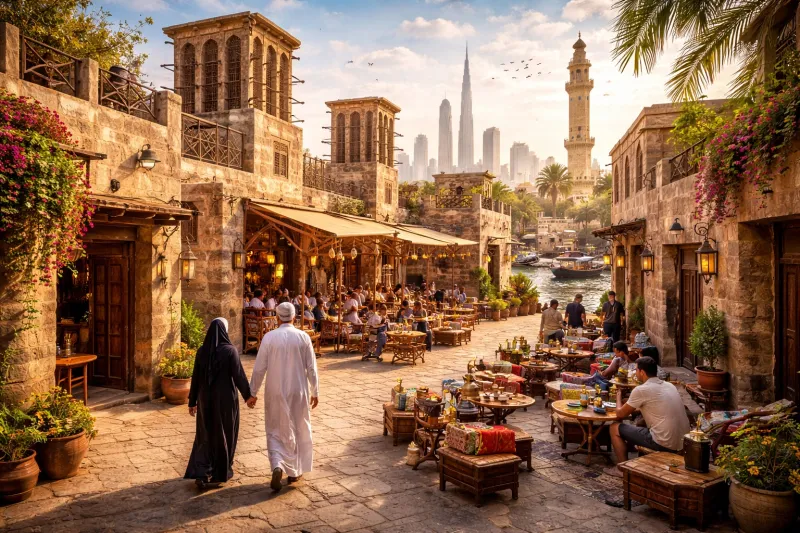
Al Fahidi historical district: Old Dubai’s best-preserved neighborhood
Al Fahidi Historical District, nestled along the Dubai Creek, is a compact, walkable neighborhood where the city’s pearling and trading past is vividly present in narrow lanes, wind towers, and restored courtyard houses. As one of the emirate’s most carefully conserved quarters, it offers visitors an intimate glimpse of traditional Emirati life amid museums, art spaces, and cultural programs.
- A walkable enclave by Dubai Creek
- Living history: preserved wind towers and courtyard houses
- Museums, art and cultural venues
- Traditional souks and local crafts
- Architectural conservation and restoration efforts
- A sensory experience: sounds, smells and light
- Community life and seasonal events
- How to visit: tips for a respectful exploration
A walkable enclave by Dubai Creek
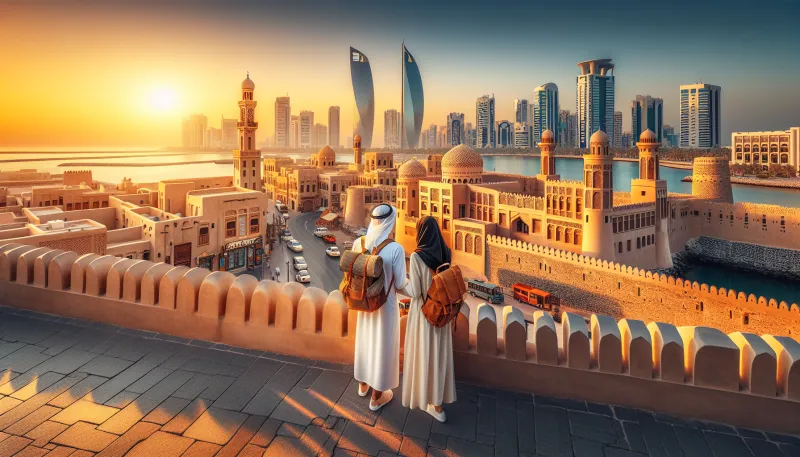
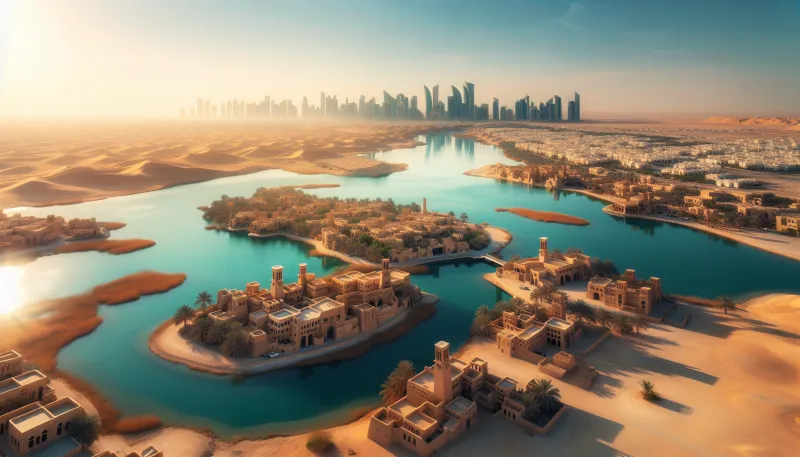
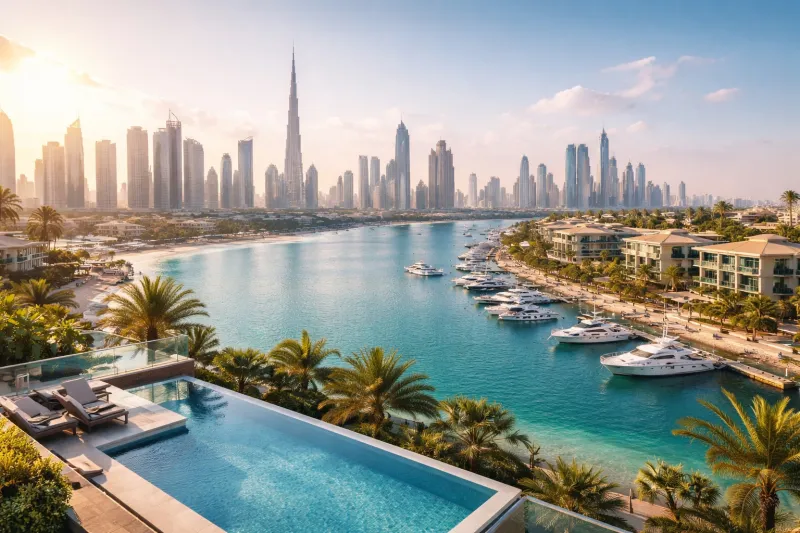
Al Fahidi sits on the western bank of Dubai Creek and is best experienced on foot. The compact grid of alleys and lanes invites slow exploration: you move from shaded courtyards to open wind-tower roofs, crossing tiny plazas and historic gateways. The neighborhood’s human scale contrasts sharply with Dubai’s modern skyline visible across the water, creating a layered urban panorama.
Living history: preserved wind towers and courtyard houses
The district is notable for its concentration of preserved vernacular architecture. Barjeel (wind towers) and narrow courtyard houses showcase traditional climate-adaptive design and social layouts. Many buildings date to the late 19th and early 20th centuries; their restoration keeps original materials and craftsmanship visible, allowing visitors to study construction methods and household arrangements from a bygone era.
Museums, art and cultural venues
Al Fahidi hosts a range of cultural institutions that enrich the visitor experience. The Sheikh Mohammed Centre for Cultural Understanding, the Dubai Museum’s offshoot exhibits, and contemporary galleries inhabit rehabilitated residences. Local curators and cultural programs run talks, workshops and heritage tours that connect artifacts and architecture to Dubai’s social history.
Traditional souks and local crafts
Although not a souk district in the scale of Deira, Al Fahidi preserves artisan activity and small-scale trade. Alleyway stalls, handicraft workshops and spice sellers recall the trading networks centered on the creek. Visitors can find traditional perfumes, handwoven textiles and restored wooden furnishings that exemplify the area’s material culture.
Architectural conservation and restoration efforts
Conservation in Al Fahidi has been a deliberate, multi-decade effort involving public and private partners. Restoration emphasizes authenticity: original plaster finishes, coral-stone walls and timber elements are repaired rather than replaced. The district serves as a case study in balancing heritage preservation with the pressures of urban development and tourism.
A sensory experience: sounds, smells and light
Walking the lanes of Al Fahidi is a sensory journey: the call to prayer from nearby mosques, the scent of oud and cardamom from perfumers, and the play of sunlight and shadow across wind towers all contribute to a strong sense of place. At different times of day, the atmosphere shifts, early morning calm, afternoon heat channelled through alleys, and evenings when lanterns and lamps animate courtyards.
Community life and seasonal events
Despite its tourist profile, Al Fahidi remains a living neighborhood with cultural programming and community activities. Seasonal events, Ramadan initiatives, and traditional performances are staged in restored houses and open courtyards. These activities foster local engagement and help transmit intangible heritage; storytelling, music, and culinary practices to new audiences.
How to visit: tips for a respectful exploration
Planning a visit to Al Fahidi rewards considerate behavior and modest preparation.
Focused on delivering informative, accessible content