Burj Khalifa: facts, history, height & why it defines modern Dubai
- Overview and significance
- Design and architectural concept
- Construction timeline and milestones
- Engineering feats and materials
- Height, floors and technical specifications
- World records and firsts
- Mixed-use program and interior spaces
- Role in Dubai's economy and tourism
- Cultural symbolism and urban identity
- Criticism, sustainability and future influence
Overview and significance
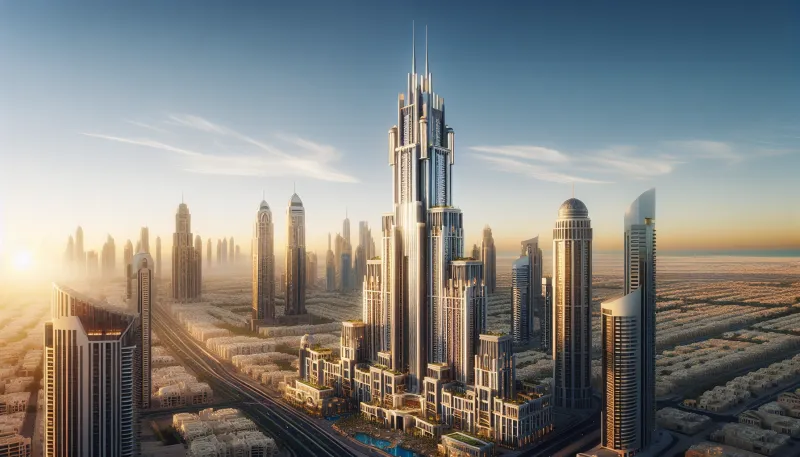
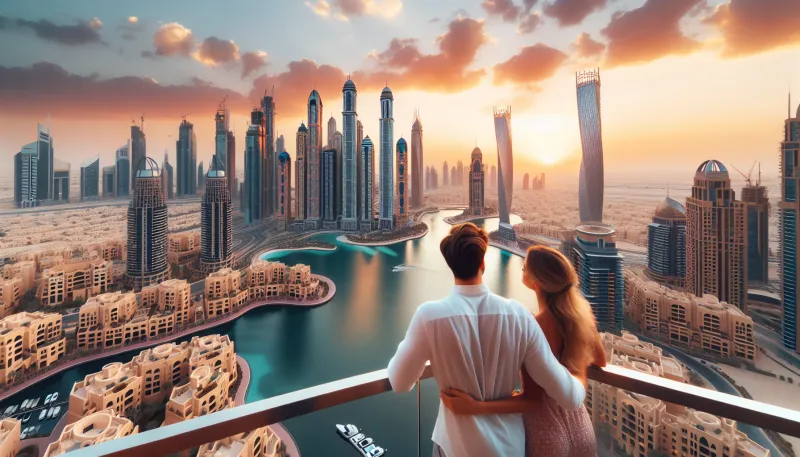
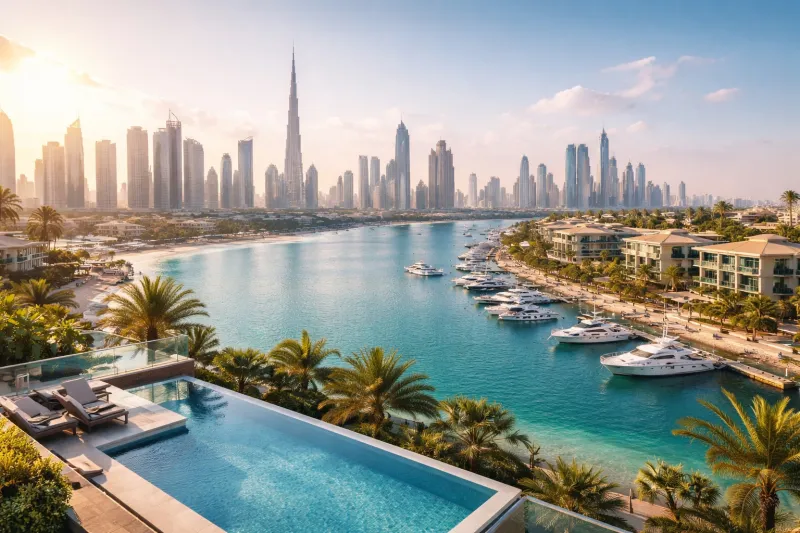
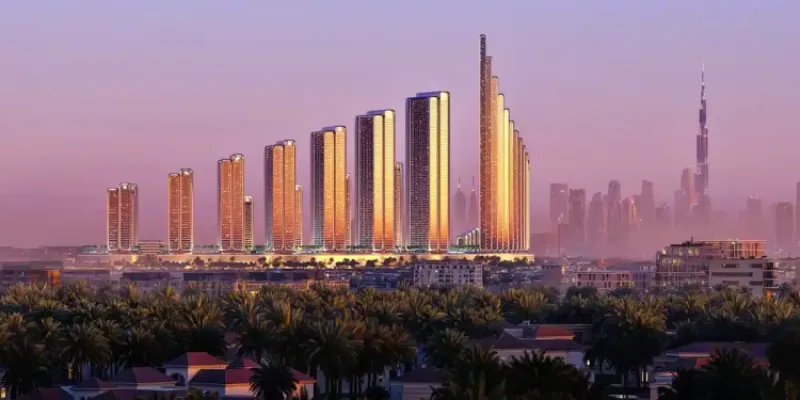
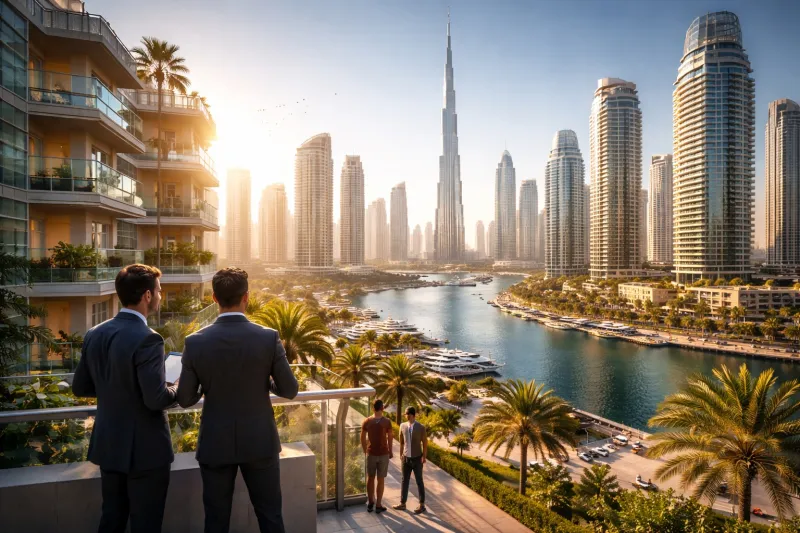
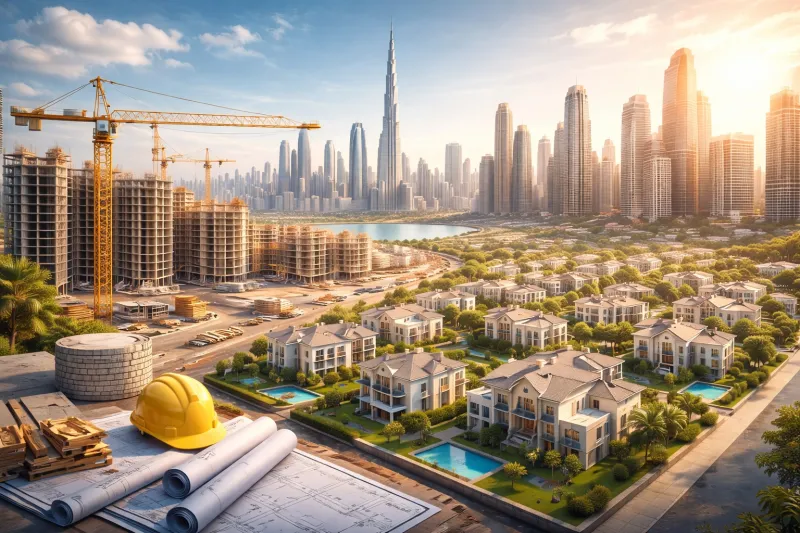
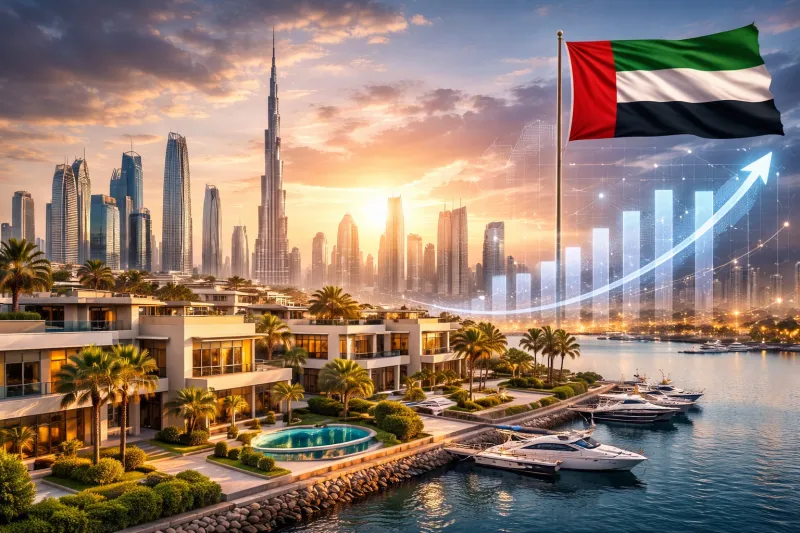
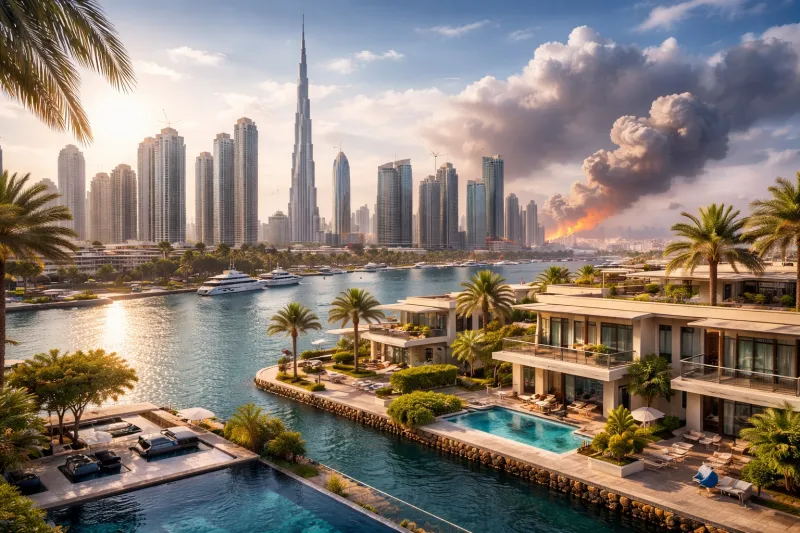
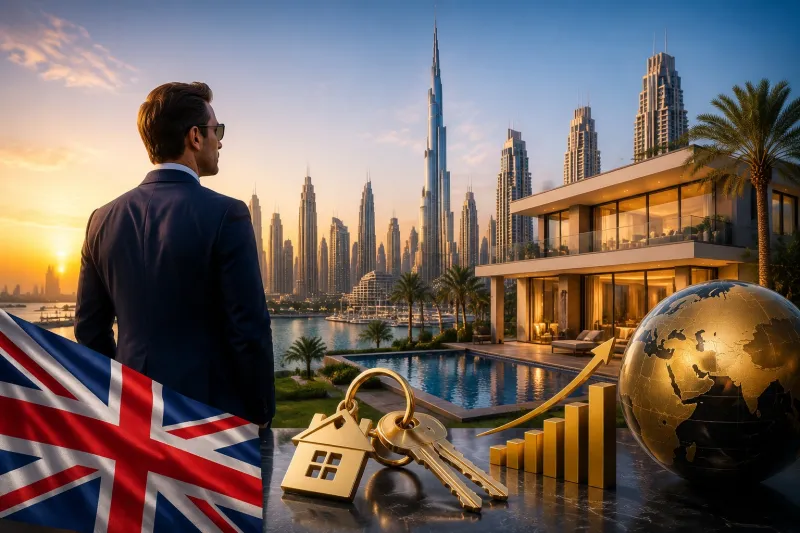
The Burj Khalifa, completed in 2010, stands at the heart of Downtown Dubai and functions as both a landmark and a catalyst for the city's rapid transformation. More than a skyscraper, it is a concentrated statement of economic ambition, architectural prowess and tourism strategy. The tower's presence has encouraged investment, real estate development and international visibility, positioning Dubai as a center for global commerce and leisure.
Design and architectural concept
Designed by Adrian Smith of Skidmore, Owings & Merrill, the Burj Khalifa's form is inspired by traditional Islamic architecture, particularly the spiraling minaret, and is optimized for wind performance. The Y-shaped floor plan increases stability, maximizes views, and creates a modular stacking of residential, hotel, and observation spaces. Architects balanced aesthetics and function by tapering the tower in setbacks as it rises, producing a slender, elegant silhouette.
Construction timeline and milestones
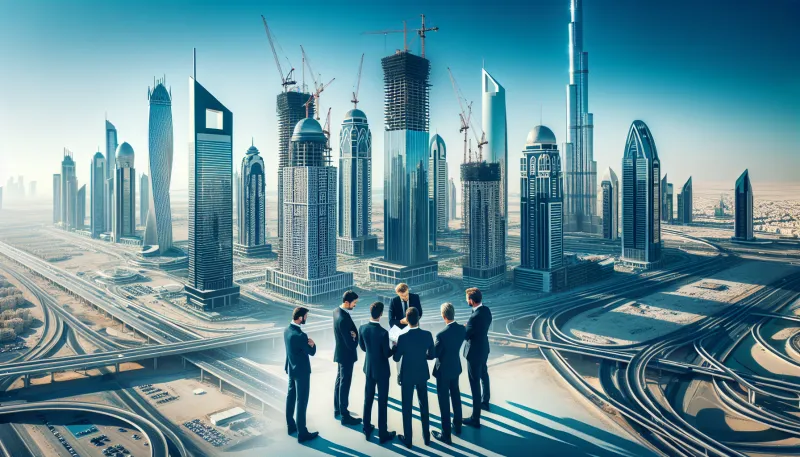
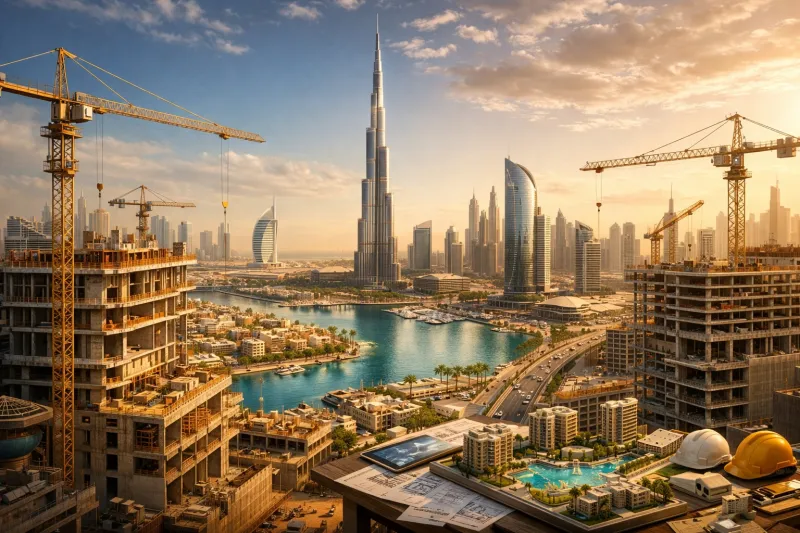
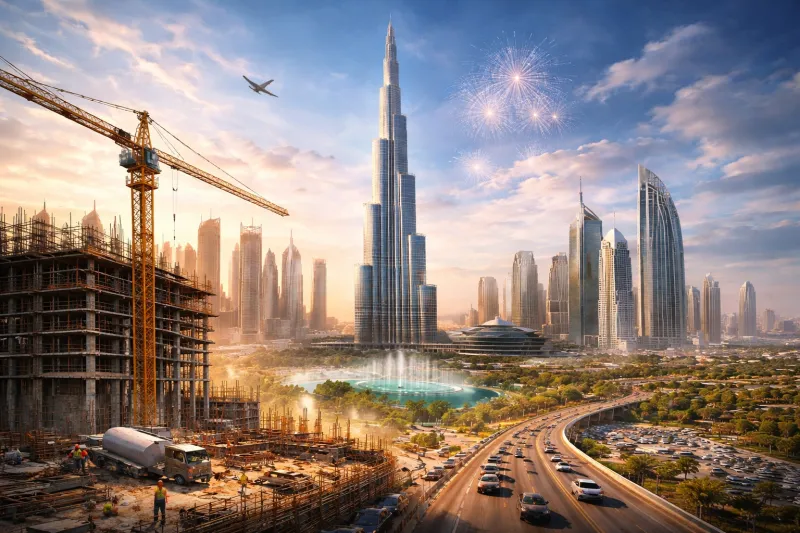
Construction began in 2004 and the exterior was topped out in 2009, with the official opening in January 2010. The project coordinated thousands of workers, complex logistics and a continuous concrete pumping operation that set its own records. Key milestones include the record for the longest continuous concrete pour at great height and the rapid sequencing of cladding and mechanical systems that allowed the project to maintain an aggressive schedule.
Engineering feats and materials
Engineers used a bundled tube structural system and high-strength reinforced concrete to resist enormous wind loads and seismic forces. The exterior cladding combines reflective glazing, aluminum, and textured stainless steel, chosen to withstand desert heat and reduce solar gain. Innovative construction techniques from high-capacity cranes to specialized concrete mixes that cure at elevation were essential to realize the tower's unprecedented height.
Height, floors and technical specifications
The Burj Khalifa reaches a total architectural height of 828 meters (2,717 feet) and contains more than 160 habitable floors. Technically, the tower hosts multiple mechanical levels, 57 elevators (including double-deck versions), and an advanced HVAC system designed for extreme temperatures. Its foundation uses a piled raft system anchored into the sandy subsoil, and its facade area exceeds 100,000 square meters of glass and metal.
World records and firsts
The building set numerous world records on completion, including tallest building, tallest free-standing structure, highest occupied floor and highest outdoor observation deck (though some of these records have been contested or surpassed in specific categories since). Its accomplishments also include the highest vertical concrete pumping and one of the largest continuous concrete pours in construction history.
Mixed-use program and interior spaces
The Burj Khalifa integrates luxury residences, corporate suites, the Armani Hotel and observation platforms into a single vertical campus. Interiors emphasize high-end finishes, panoramic views and bespoke amenities; the tower's podium connects to the Dubai Mall and public plazas, creating a seamless flow between retail, hospitality and residential functions. The vertical stacking of programs allows the tower to operate as a self-contained urban microcosm.
Role in Dubai's economy and tourism
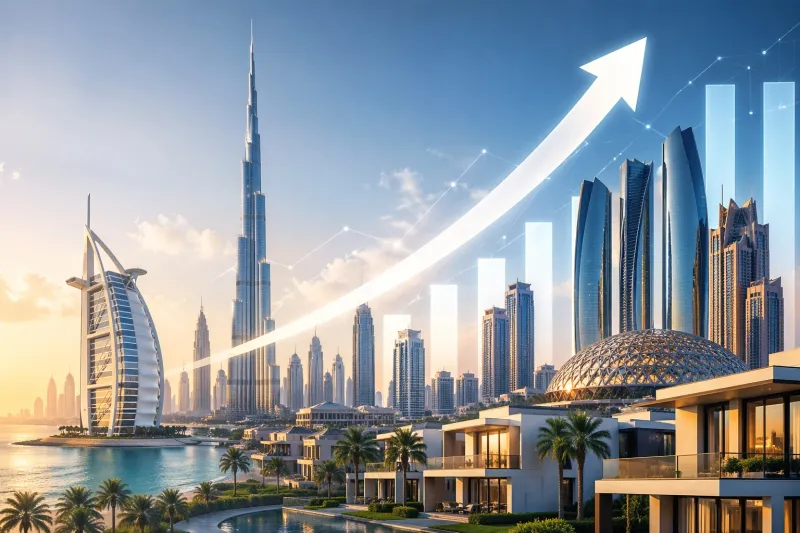
As an anchor attraction, the Burj Khalifa draws millions of visitors annually and has become a linchpin of Dubai's tourism and branding strategies. It stimulates surrounding real estate values, supports hospitality revenues and acts as a focal point for city events such as New Year celebrations. The tower's global recognition helps attract international conferences, investors and media attention to the emirate.
Cultural symbolism and urban identity
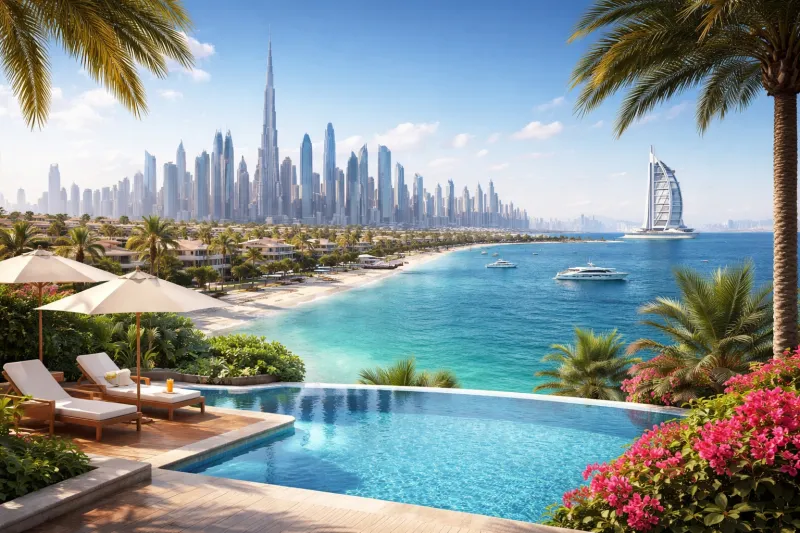
Beyond function, the Burj Khalifa symbolizes Dubai's narrative of rapid progress and global aspiration. Its verticality and visibility make it a piece of civic identity, used in marketing, film and public ritual. For residents and visitors alike, the tower represents both a technological achievement and a statement about the scale and pace of modern urban transformation in the Gulf region.
Criticism, sustainability and future influence
Despite its acclaim, the Burj Khalifa has faced criticism over high energy consumption, labor practices during construction and the social implications of luxury-led development. In response, Dubai has incrementally introduced sustainability measures across new projects, but the tower itself remains a heavy resource user. Still, its influence on skyscraper design, mixed-use programming and city branding is undeniable, prompting architects and planners worldwide to rethink how verticality can be both symbolic and functional.
Focused on delivering informative, accessible content