UAE real estate shows resilience in 2026 as population growth and investor demand accelerate
The UAE property market entered 2026 with notable resilience, driven by sustained population growth and renewed investor appetite. While global economic headwinds persist, demand for housing, offices, logistics space and hospitality assets in key emirates has remained robust, supported by policy reforms, visa incentives and a steady flow of foreign capital.
- Market snapshot: steady demand despite global uncertainty
- Population growth as a structural support
- Investor activity: diversified sources and strategies
- Residential market: segmented resilience
- Office market: recovery and reconfiguration
- Hospitality and tourism: reopening tailwinds
- Logistics and industrial: demand from e-commerce and trade
- Regulatory reforms and visa incentives supporting demand
- Financing dynamics and lender appetite
- Risks and near-term challenges investors should monitor
Market snapshot: steady demand despite global uncertainty
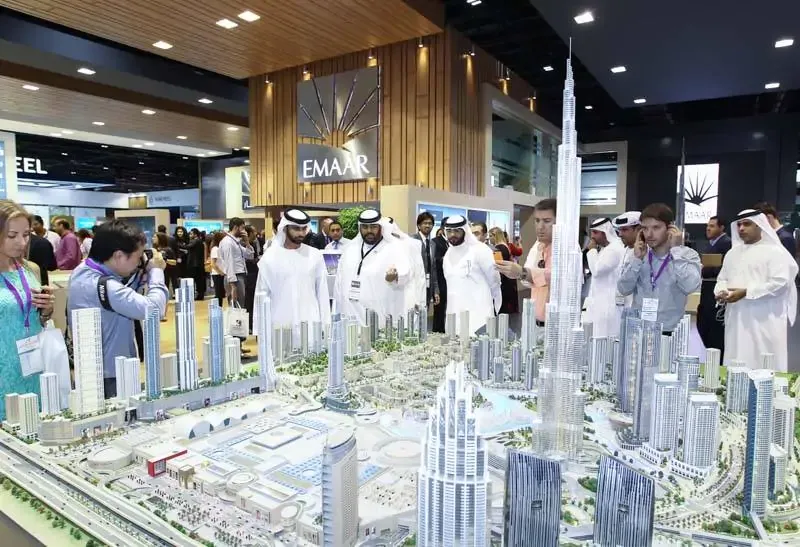
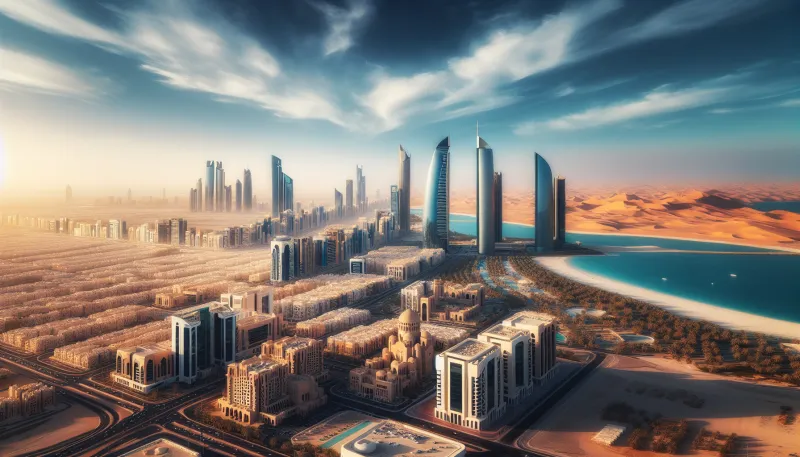
The first half of 2026 has shown the UAE market maintaining momentum even as global macro conditions remain uneven. Transaction volumes have stabilized across primary and secondary markets, and price movements are concentrated by segment and location rather than uniform across the country. Major urban centres such as Dubai and Abu Dhabi continue to attract the most activity, while secondary emirates are seeing selective interest driven by affordability and new infrastructure.
Population growth as a structural support
Population increases, both from new expatriate arrivals and returning nationals, are a core structural driver sustaining real estate demand. Policy changes that broaden work permits and long-term residency options have encouraged families and skilled workers to relocate, creating steady demand for family-friendly housing, schools, and community amenities. This demographic tailwind is supporting mid- to long-term occupancy and rental trends.
Investor activity: diversified sources and strategies
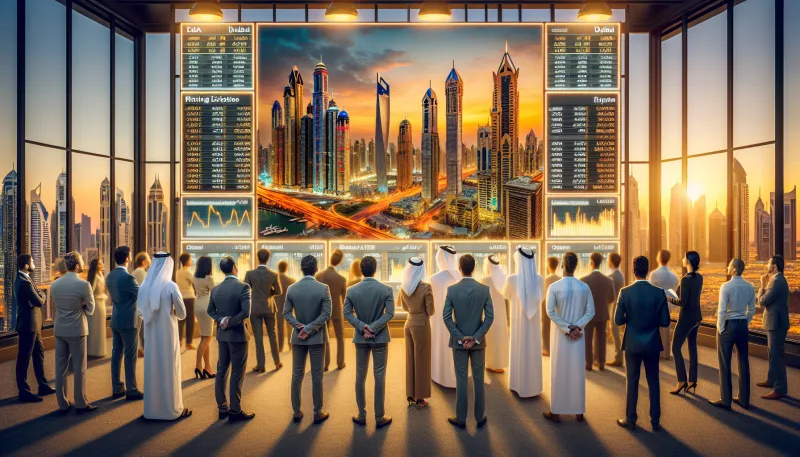
Investor participation in 2026 remains diverse: high-net-worth individuals, regional family offices, sovereign and quasi-sovereign funds, and institutional capital are all active. Many investors are reallocating toward income-producing assets and value-add opportunities, while some are selectively buying residential units for rental income. International interest is driven by perceived stability, transparent ownership regimes in freehold areas and the relative attractiveness of yields compared with some developed markets.
Residential market: segmented resilience
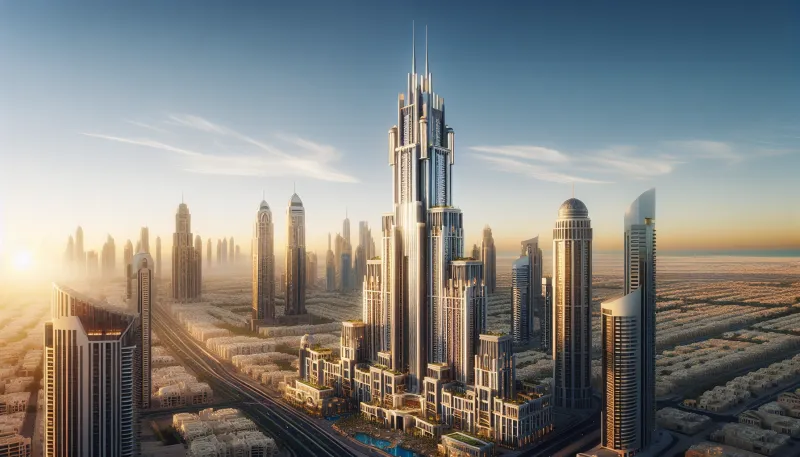
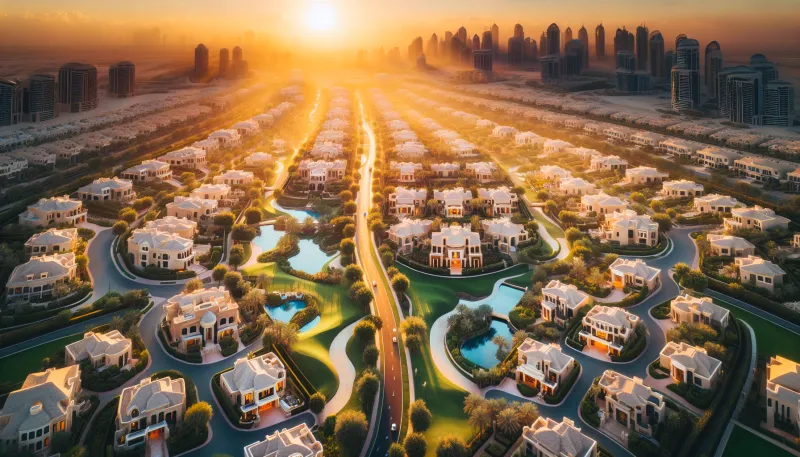
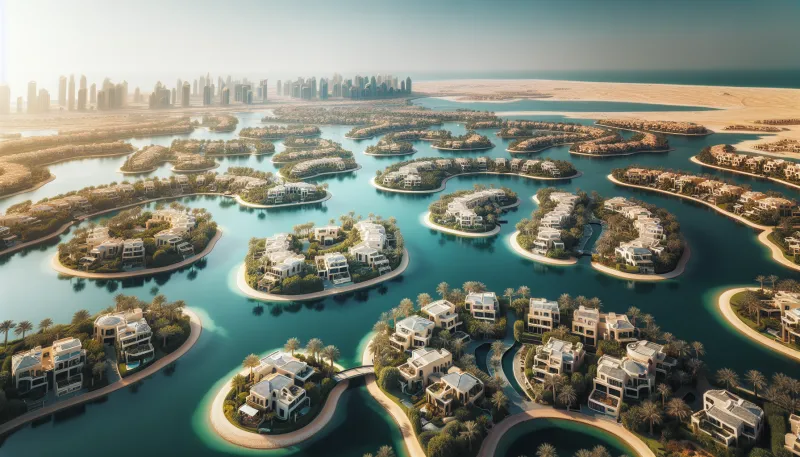
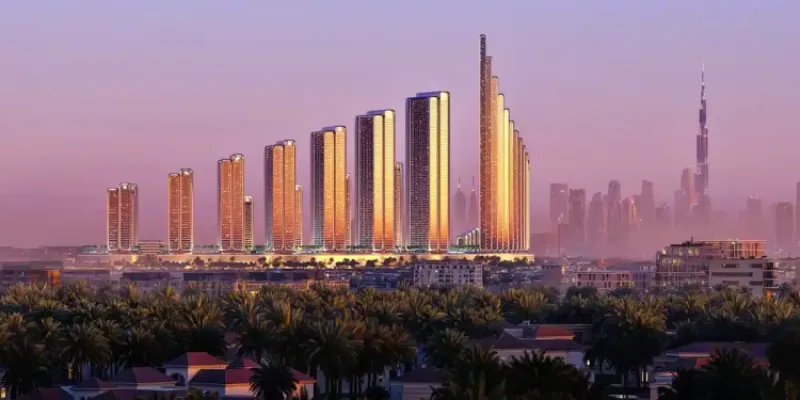
The residential sector exhibits segmented resilience. Prime waterfront and new masterplan communities continue to command strong demand due to lifestyle appeal and limited availability. Mid-market and affordable housing areas are seeing healthy rental inquiries as the population expands. Developers are adjusting delivery timelines and product mixes to match these varied needs, while resale activity has increased where buyers seek immediate occupancy.
Office market: recovery and reconfiguration
Office demand is recovering selectively, with tech, finance and professional services driving leasing in business districts. Landlords are reconfiguring space to offer flexible leases, plug-and-play fit-outs and enhanced workplace amenities that appeal to hybrid-working tenants. Grade-A buildings with sustainability credentials and efficient layouts are attracting premium rents, while older stock faces pressure to refurbish or reposition.
Hospitality and tourism: reopening tailwinds
Tourism recovery has benefited hotel occupancy and short-term rental markets. Major events, improved connectivity and marketing initiatives continue to draw leisure and MICE visitors. Investors in hospitality are focusing on diversification of offer, targeting experiential and lifestyle concepts, and supplementing income through mixed-use development strategies that combine accommodation with retail and F&B components.
Logistics and industrial: demand from e-commerce and trade
Demand for logistics space remains robust, supported by e-commerce growth, regional trade flows, and supply-chain realignment. Purpose-built warehouses, last-mile hubs, and cold-chain facilities are in high demand, particularly near ports and major transport corridors. Institutional capital is increasingly active in core logistics assets, attracted by long leases and indexed rent structures.
Regulatory reforms and visa incentives supporting demand
Policy measures continue to underpin market confidence. Long-term residence visas, streamlined business setup processes, and clearer foreign ownership rules in strategic sectors have all helped attract talent and capital. Municipal and federal regulatory refinements covering tenancy frameworks, escrow protections, and developer obligations have improved transparency and reduced transaction friction for buyers and investors.
Financing dynamics and lender appetite
Mortgage markets in 2026 are adapting to global rate dynamics but remain functional. Local and regional lenders are selectively increasing exposure to high-quality projects and creditworthy borrowers, while non-bank lenders and private credit have grown as alternative funding sources. Developers with proven delivery records and projects in prime locations continue to access competitive financing terms, though newer entrants face tighter scrutiny.
Risks and near-term challenges investors should monitor
Despite resilience, several risks merit attention. Global economic volatility could weigh on foreign demand, and oversupply in particular submarkets could pressure rents. Construction cost inflation and labor availability remain constraints for timely project delivery. Environmental considerations and the transition to more energy-efficient buildings are increasingly important for asset valuation. Prudent investors are focusing on location quality, tenant mix and operator strength when assessing opportunities.
Focused on delivering informative, accessible content