UAE property market weathers regional tensions
- Market overview: steady fundamentals amid uncertainty
- Buyer demand and investor sentiment
- Government measures and regulatory support
- Rental market dynamics
- Luxury and prime segment performance
- Commercial real estate and office occupancy
- Financing and mortgage landscape
- Construction activity and supply pipeline
- Foreign capital flows and investor diversification
- Risk factors and near-term outlook
Market overview: steady fundamentals amid uncertainty
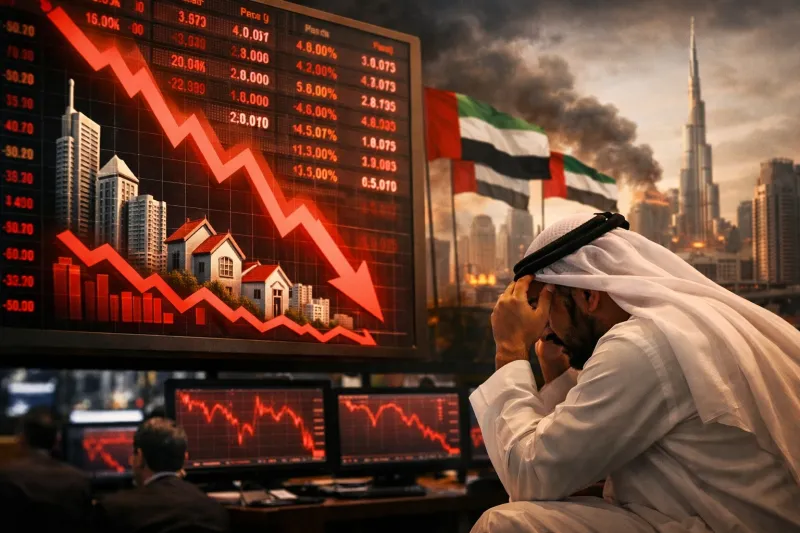
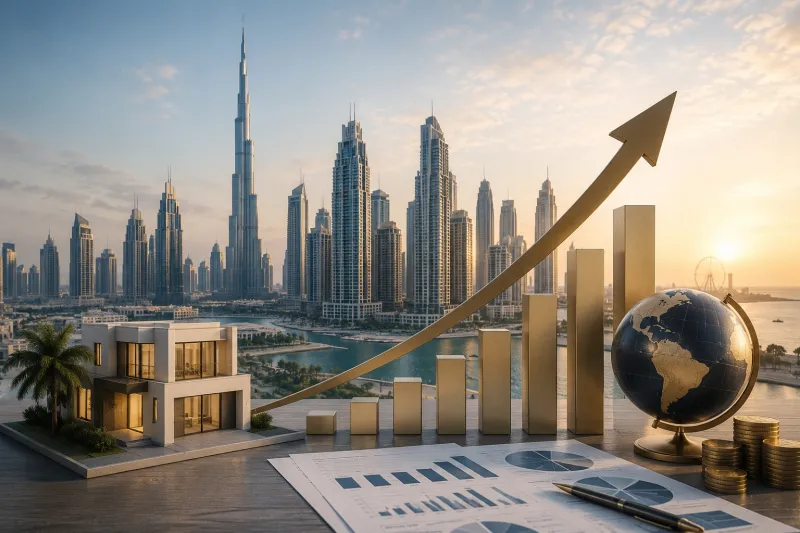
The UAE property market has maintained broadly steady fundamentals despite intermittent geopolitical pressures in the region. Transaction volumes have not collapsed, while asking prices and rents have broadly hovered around recent averages rather than exhibiting sharp declines. Investors and occupiers appear to be treating disruptions as temporary, underpinned by the country's strong macroeconomic position and diversified economy.
Buyer demand and investor sentiment
Domestic and international buyers continue to show appetite for UAE real estate. End-users, long-term investors and high-net-worth individuals are still active in the market, drawn by lifestyle, tax advantages and residency incentives. Surveys and brokerage feedback suggest sentiment is cautious but constructive, with buyers selectively pursuing opportunities rather than withdrawing entirely.
Government measures and regulatory support
Policy responses from federal and emirate-level authorities have helped shore up confidence. Initiatives such as extended residence visas, streamlined licensing, and targeted stimulus for affordable housing and infrastructure have provided positive signals. Regulators have also maintained transparent listing and compliance rules, which supports market integrity and investor trust.
Rental market dynamics
The rental sector has shown resilience, driven by ongoing expat inflows and corporate relocations. In major hubs, demand for mid-market and family accommodation remains healthy, while short-term rental segments benefit from tourism recovery. Landlords are adapting with flexible lease terms and incentives, which helps maintain occupancy even when headline rents face pressure.
Luxury and prime segment performance
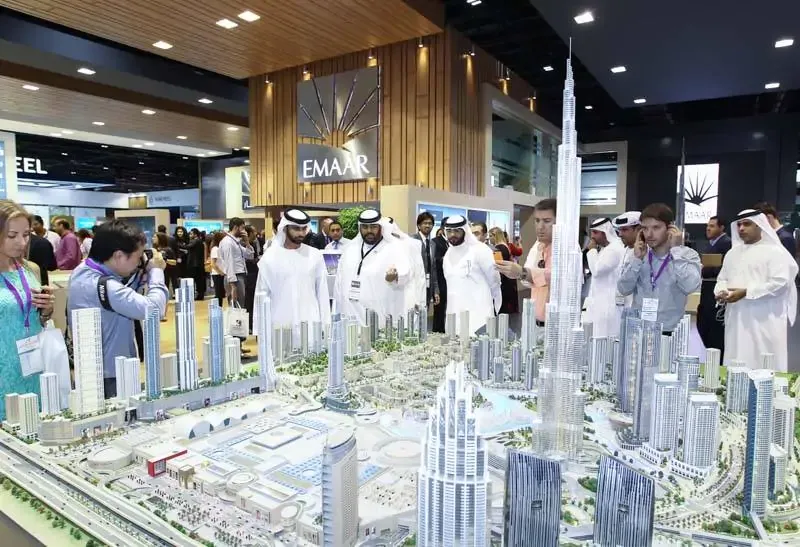
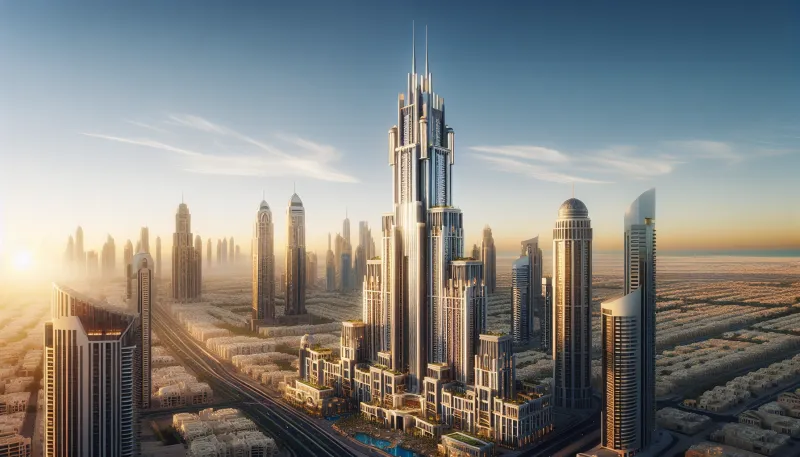
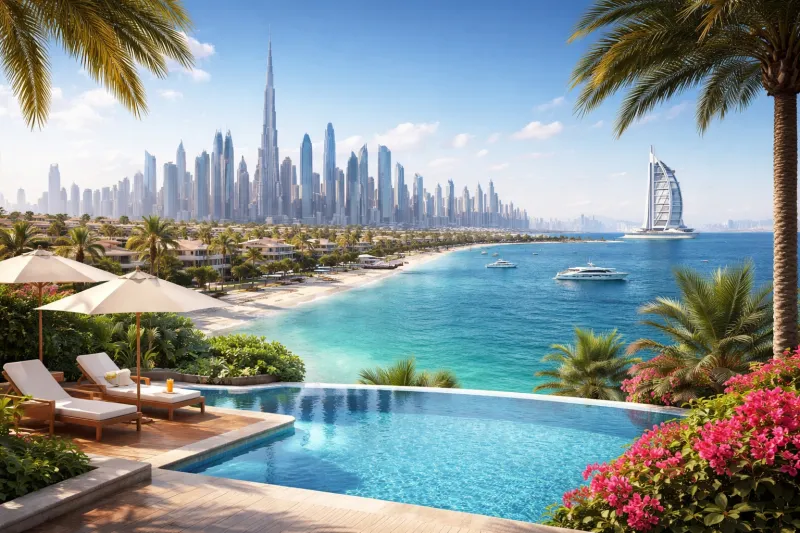
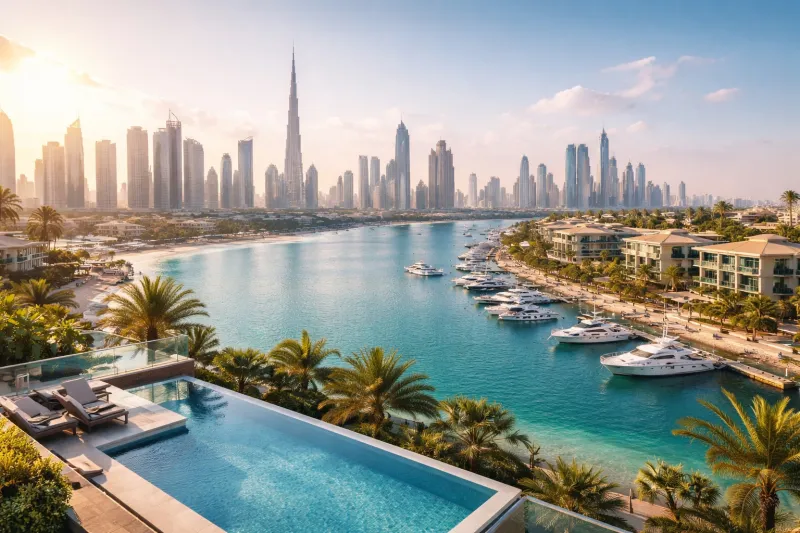
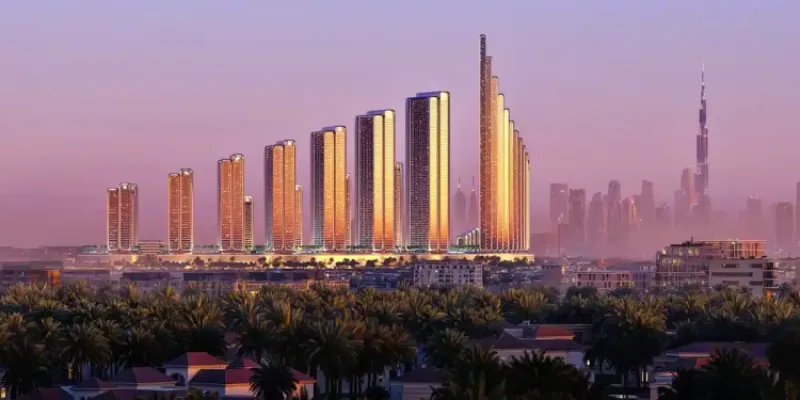
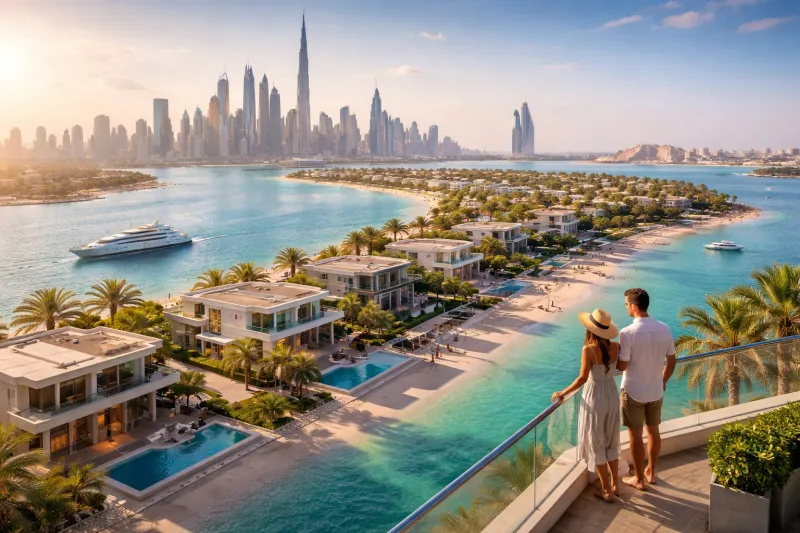
The luxury and prime markets have been particularly buoyant, supported by buyers seeking high-quality, amenity-rich residences and trophy assets. Signature projects in Dubai and Abu Dhabi continue to attract global purchasers looking for safe-haven assets and lifestyle properties. Developers with established brands and delivery records remain in a strong position.
Commercial real estate and office occupancy
Office markets are adapting to hybrid working patterns but show improving activity as companies reopen and expand regional hubs. Demand is strongest for modern, flexible spaces with good tech infrastructure. Logistics and warehousing segments are also outperforming, benefiting from e-commerce growth and strategic geographic location.
Financing and mortgage landscape
Financial institutions have remained open to lending, although underwriting has been more selective. Competitive mortgage products are available for qualified buyers, and developers with sound balance sheets can still access construction financing. Interest rate volatility and global liquidity conditions are factors to monitor, but local banks continue to support established projects and creditworthy borrowers.
Construction activity and supply pipeline
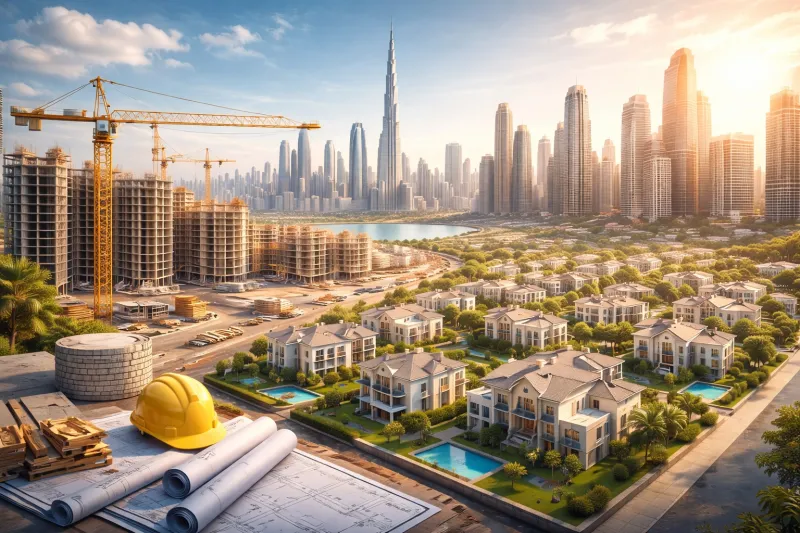
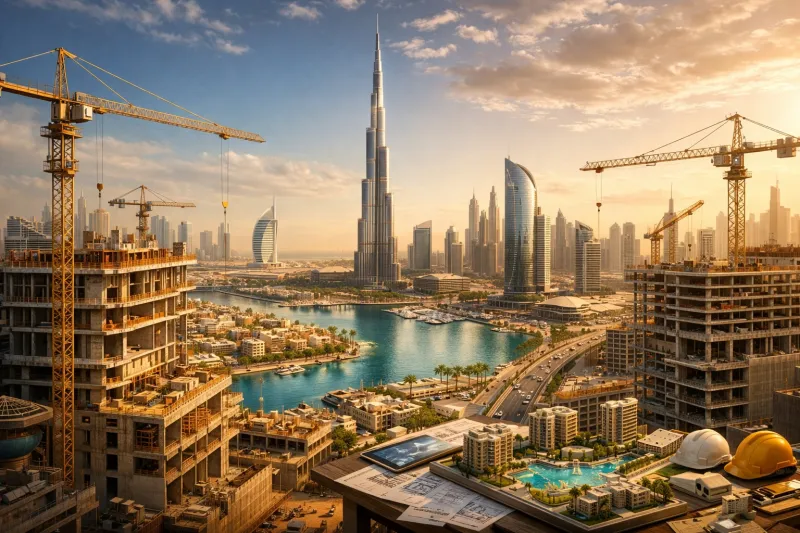
Construction activity has continued across multiple segments, although delivery timelines vary by project. The pipeline includes a mix of residential, hospitality and commercial developments, with an emphasis on higher-quality and mixed-use schemes. Supply-side discipline by reputable developers has helped avoid an oversupply scenario in many prime locations.
Foreign capital flows and investor diversification
The UAE remains a magnet for foreign capital from Europe, Asia and other Gulf states, as investors diversify portfolios in search of stability and yield. Real estate continues to be a core allocation for many institutional and private investors, and recent policy clarity has encouraged fresh inflows. Cross-border capital has been particularly visible in high-end residential and commercial trophy assets.
Risk factors and near-term outlook
While the market has held up, risks persist. Escalating regional tensions, fluctuations in global interest rates, and shifts in oil prices could influence sentiment and capital flows. However, given the UAE's fiscal buffers, investor-friendly policies and diversified economy, the near-term outlook is one of cautious stability, with selective opportunities for buyers and developers who focus on quality and location.
Focused on delivering informative, accessible content