UAE set to add 390,000 homes by 2030 as Dubai leads expansion
- Scale of the housing expansion
- Dubai's dominant role
- Policy drivers and national strategy
- Population growth and workforce demand
- Affordable housing and mid-market focus
- Developer pipeline and foreign investment
- Infrastructure and urban integration
- Sustainability and energy-efficient development
- Market impact on rents and property prices
- Risks, timelines and construction challenges
Scale of the housing expansion
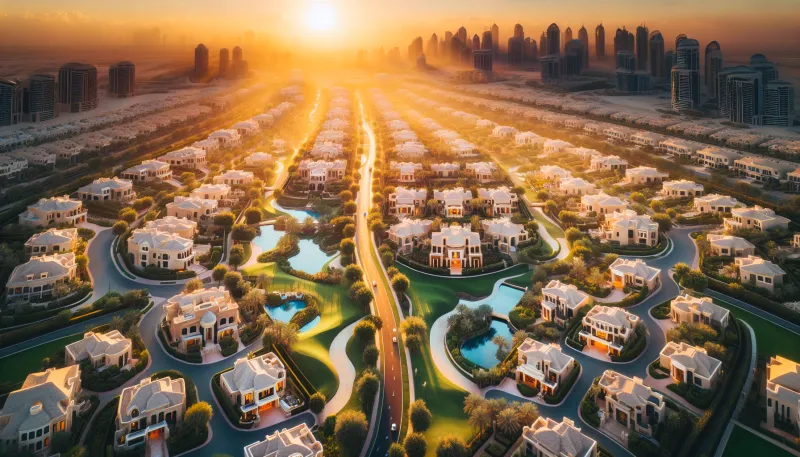
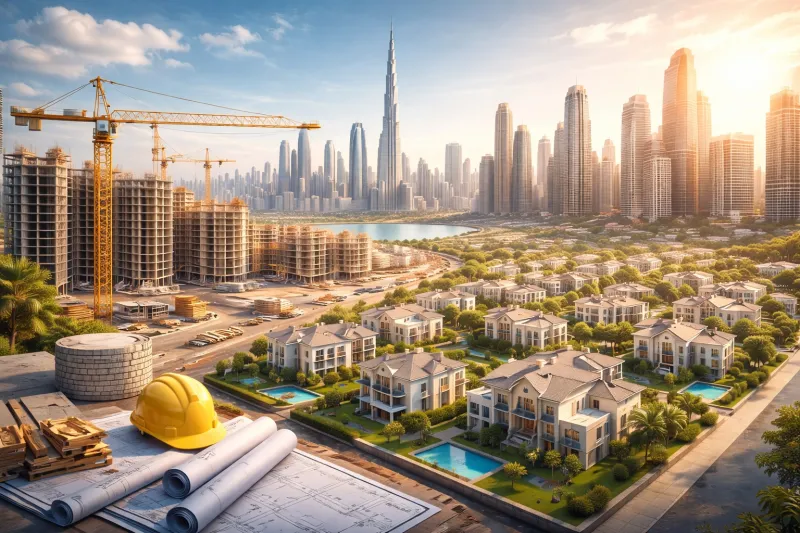
The projected addition of 390,000 homes by 2030 represents one of the largest residential build-outs the UAE has planned in a single decade. This figure covers a mix of apartments, villas and townhouses across emirates, and includes both completed projects and those in various stages of planning and construction. Analysts note the scale will materially reshape supply dynamics in urban and suburban areas.
Dubai's dominant role
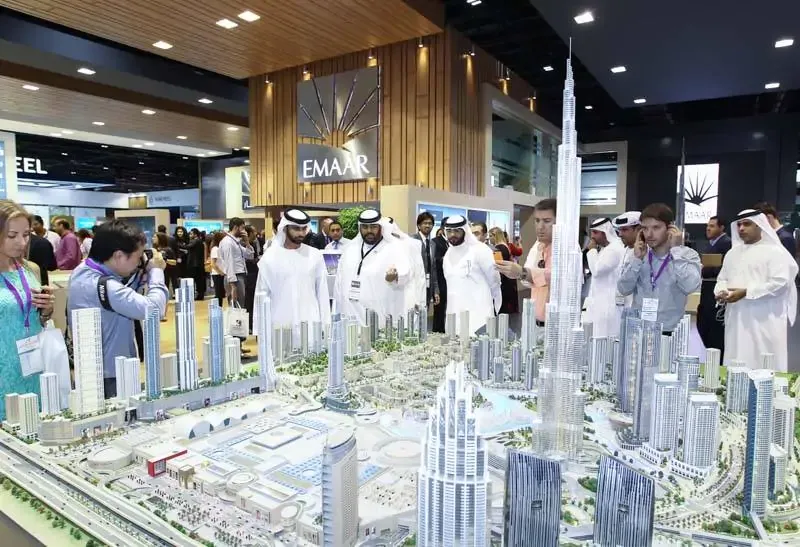
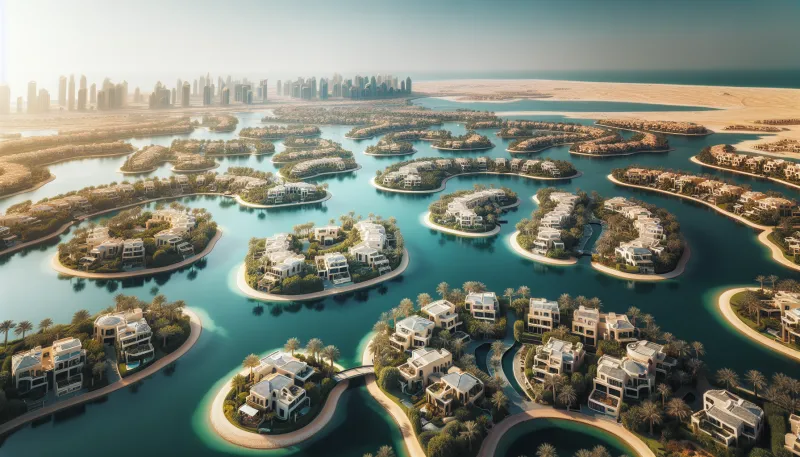
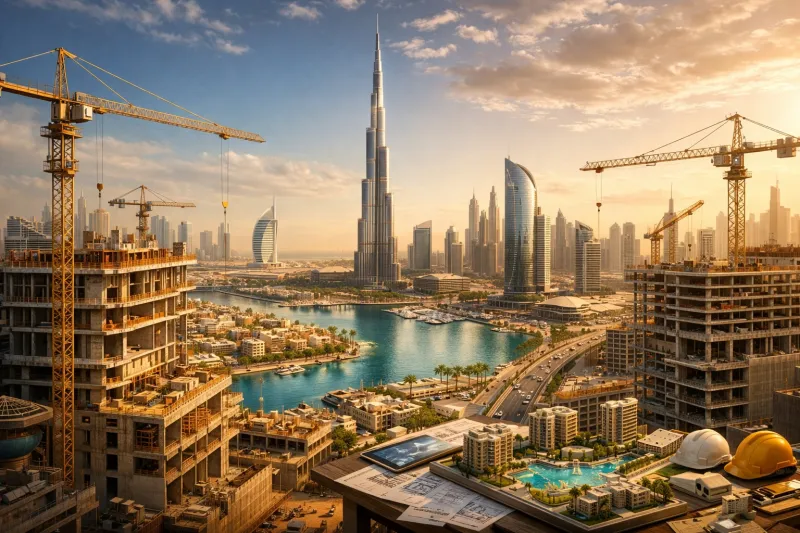
Dubai is expected to lead the expansion in terms of volume and variety. Major masterplans, post-Expo developments and ongoing waterfront and freezone projects have generated a concentrated pipeline. Dubai’s pull is reinforced by active developers, international investors, and policies aimed at sustaining population and tourism growth.
Policy drivers and national strategy
Federal and emirate-level policies are key drivers behind the surge. Initiatives to diversify the economy, boost housing supply and attract skilled expatriates are being translated into planning approvals and incentives. Measures include faster permitting, targeted land releases and financing facilitation to accelerate delivery.
Population growth and workforce demand
Population and labour-market forecasts underpin many of the demand assumptions. The UAE’s strategy to attract talent and increase residency options fuels housing needs for both families and single professionals.
- Projected population increases in cities
- Growth in tourism and hospitality workers
- Corporate relocations and regional hubs
Affordable housing and mid-market focus
Alongside luxury stock, planners are placing emphasis on mid-market and affordable segments to ensure social balance and long-term demand sustainability. Several emirates are promoting schemes for first-time buyers and rental-to-own models. Developers are responding with smaller units, integrated communities and price-sensitive product mixes.
Developer pipeline and foreign investment
Local and international developers have a robust pipeline of projects to meet the 2030 target. Foreign direct investment and overseas buyers remain important, particularly for Dubai’s off-plan market. Joint ventures, sovereign-backed funds and institutional investors are also financing large-scale delivery programmes.
Infrastructure and urban integration
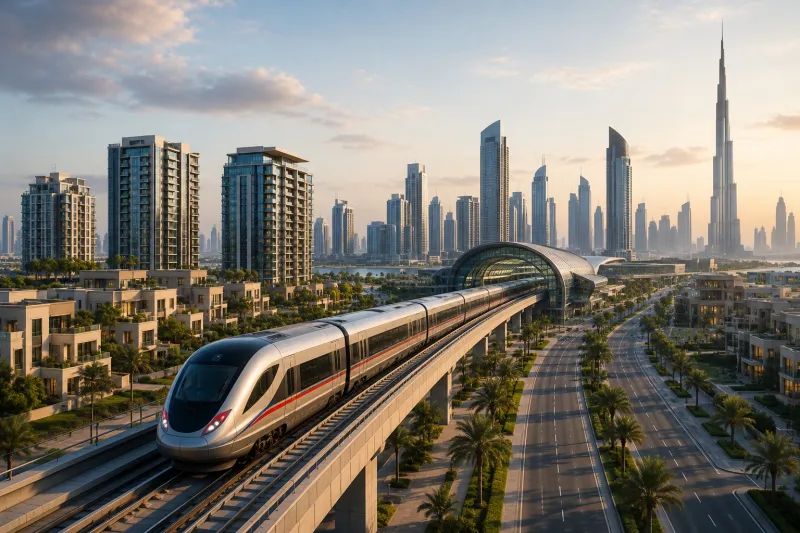
Successful delivery depends on integrated infrastructure: transport, utilities and social amenities. Authorities are coordinating new road links, metro extensions and utility upgrades with housing projects to avoid isolated developments. Mixed-use planning is being used to reduce commute times and enhance neighbourhood resilience.
Sustainability and energy-efficient development
Green building practices and sustainability targets are increasingly embedded in the pipeline. Projects incorporate energy-efficient systems, solar deployments, waste management and water-saving designs. Developers highlight operational cost savings and regulatory compliance as selling points to buyers and tenants.
Market impact on rents and property prices
The large supply influx will affect rental and sales dynamics differently across segments. In areas with concentrated delivery, rental growth may moderate as new stock absorbs demand, while premium locations could sustain price resilience. Economists warn of short-term volatility but suggest balanced long-term prospects if demand growth keeps pace.
Risks, timelines and construction challenges
Meeting the 2030 target faces risks: labour availability, global supply-chain disruptions, rising construction costs and potential regulatory delays. Timely handovers require robust project management and contingency planning. Stakeholders emphasise phased completions and flexible financing to mitigate delivery risk.
Focused on delivering informative, accessible content