Dubai and Abu Dhabi fuel UAE property surge in Q1
- Market overview
- Price growth across segments
- Transaction volumes and sales activity
- Foreign demand and investor profile
- Rental market dynamics
- Luxury and prime sectors
- New developments and supply pipeline
- Policy support and regulatory factors
- Financing and mortgage trends
- Investor sentiment and outlook indicators
Market overview
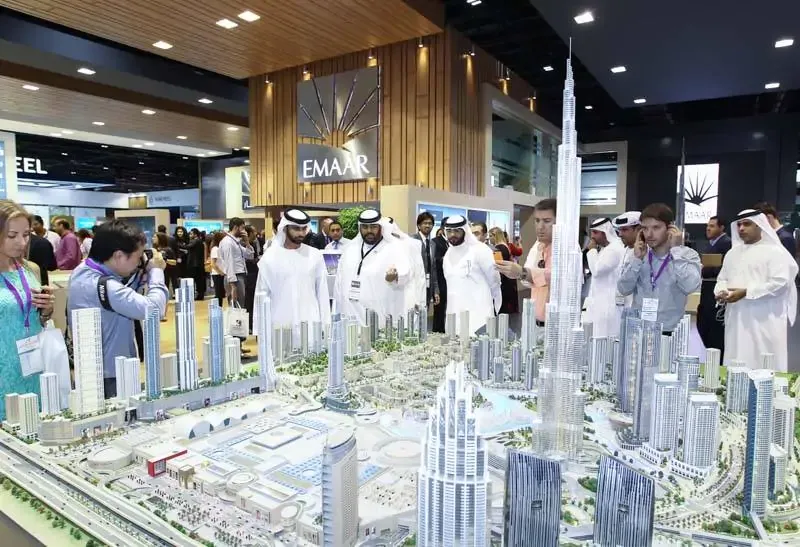
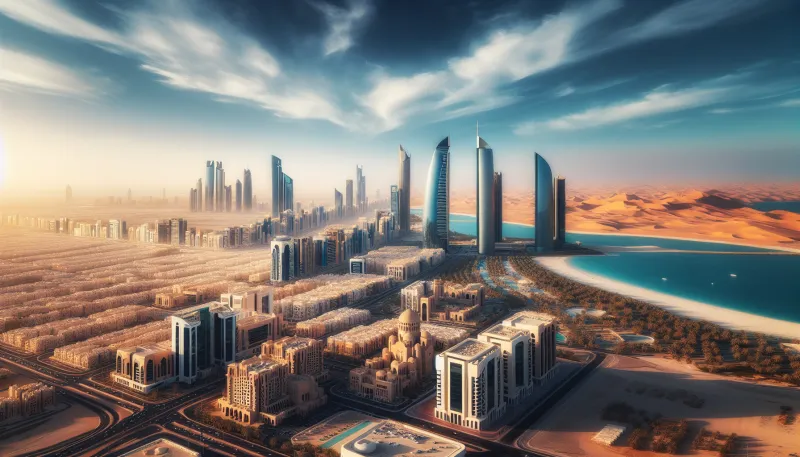
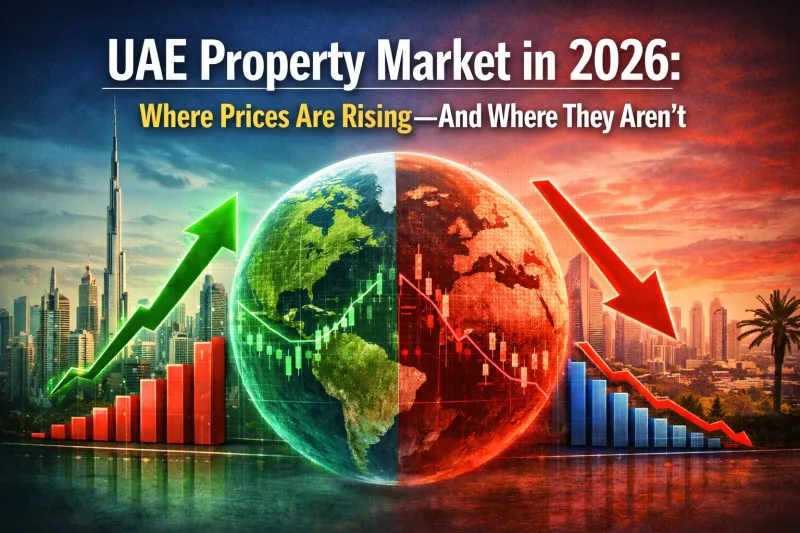
In Q1, the UAE property market recorded significant gains driven primarily by Dubai and Abu Dhabi. Transaction volumes increased compared with the same period last year, with both primary and secondary markets benefitting. Market sentiment shifted from cautious recovery to active buying as buyers responded to improving economic indicators and higher tourist arrivals.
Price growth across segments
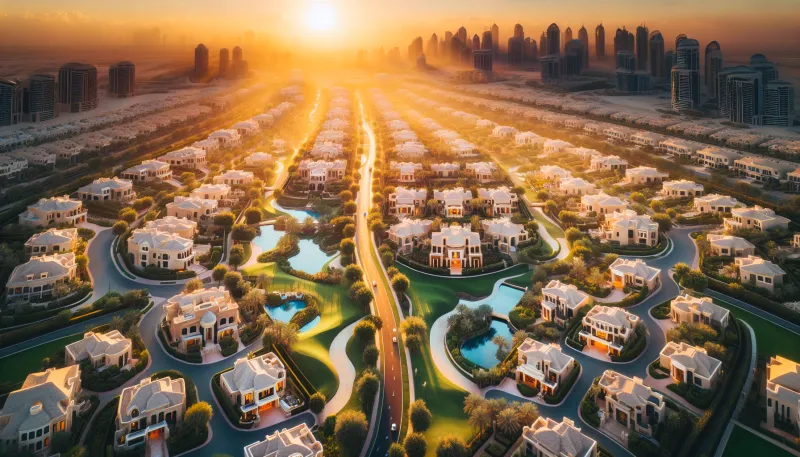
Residential prices rose across multiple segments, with mid-market apartments and villas showing the strongest percentage gains. Luxury properties in prime Dubai addresses experienced double-digit price growth, while certain Abu Dhabi neighborhoods posted steady appreciation as new projects and waterfront developments attracted premium buyers.
Transaction volumes and sales activity
Sales activity surged in Q1, reflected in record numbers of completed transactions and rising value of deals. Off-plan sales accounted for a notable share as developers launched new phases to meet demand, and secondary market listings moved faster than in previous quarters. Auction activity and cash purchases increased, signaling higher confidence among investors.
Foreign demand and investor profile
Foreign buyers, particularly from Europe, South Asia and the GCC, returned in larger numbers. Attractive residency schemes, favorable tax structures and improved air connectivity boosted cross-border interest. Investors ranged from small-scale buy-to-let purchasers to high-net-worth individuals targeting trophy assets.
Rental market dynamics
The rental sector tightened as demand outpaced available stock, pushing rents upward in key neighbourhoods. Expatriates returning to the UAE and corporate relocations contributed to increased leasing activity. Landlords responded by holding properties off the market or increasing incentives for longer leases, creating a more competitive renting environment.
Luxury and prime sectors
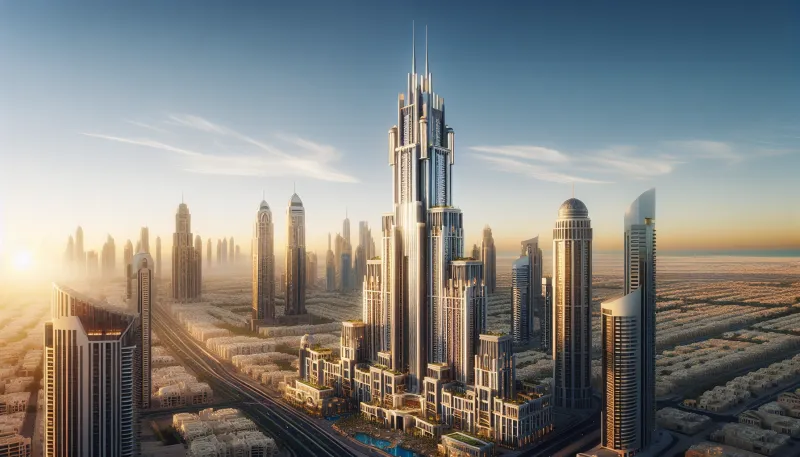
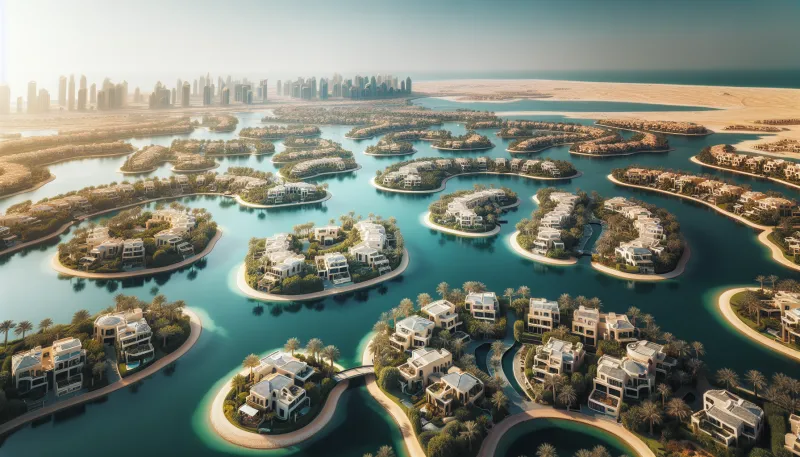
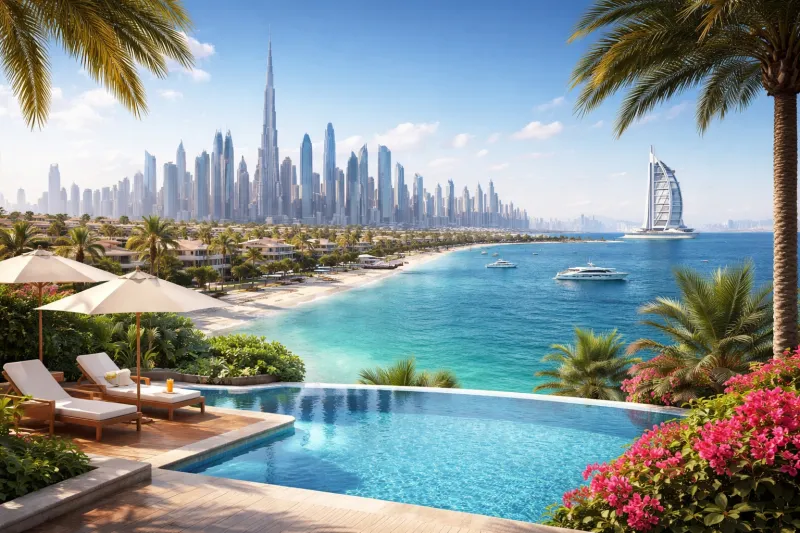
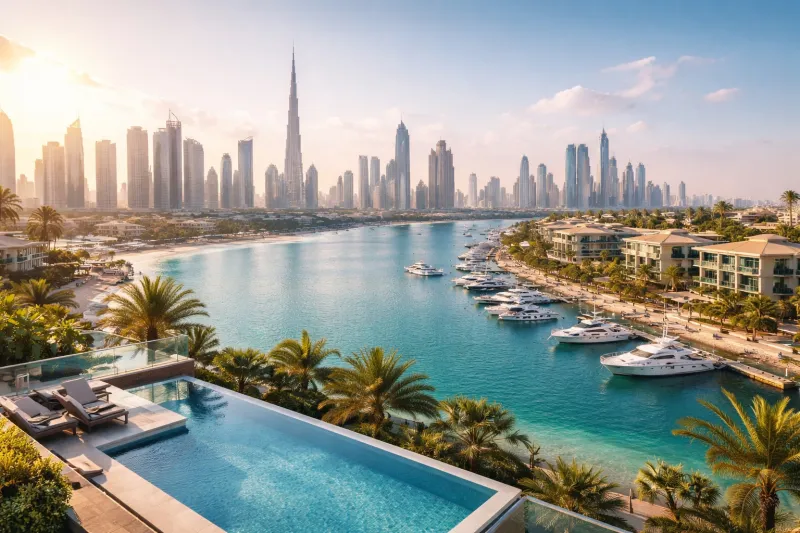
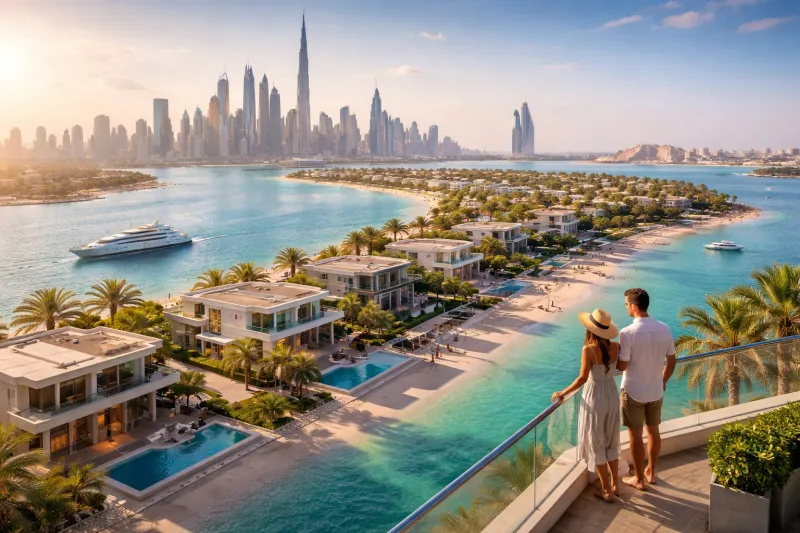
Prime areas in Dubai such as Palm Jumeirah, Downtown and Dubai Marina recorded strong interest from international buyers seeking lifestyle and capital appreciation. Abu Dhabi’s waterfront projects and island developments also gained traction among affluent buyers. High-end finishes and integrated amenities remained key selling points for the luxury segment.
New developments and supply pipeline
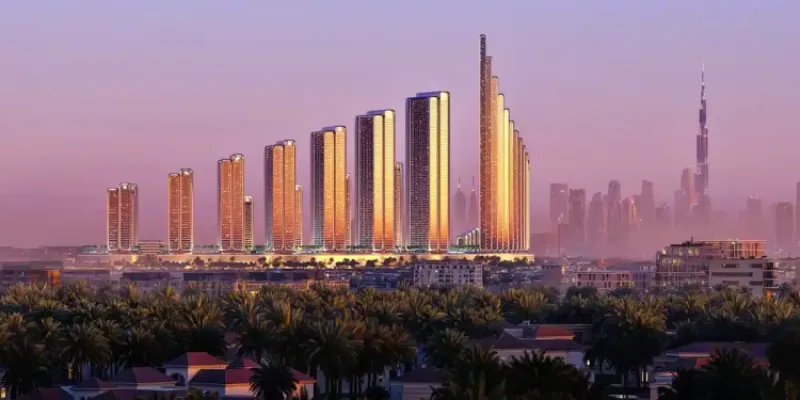
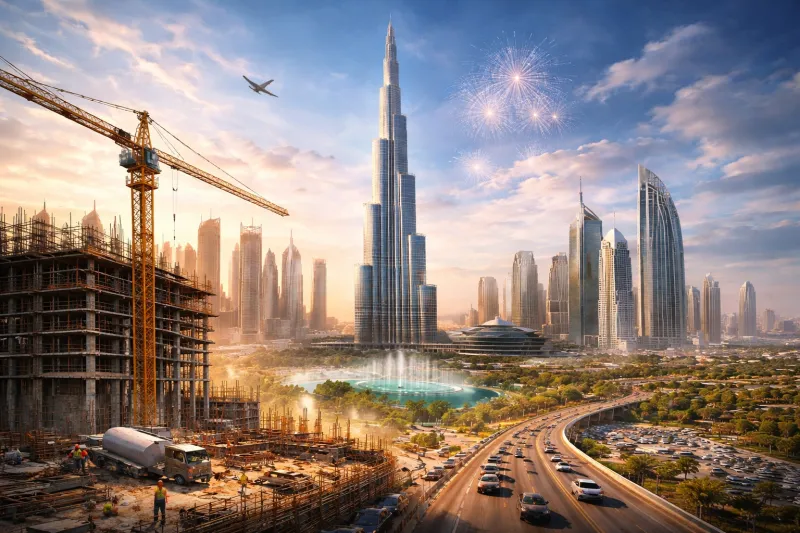
Developers launched a pipeline of new projects to capture momentum, focusing on mixed-use communities and sustainable design. While supply increased, much of it targeted higher-end or niche segments, so absorption rates stayed high for well-located developments. Pre-sales performance encouraged continued project rollouts throughout the quarter.
Policy support and regulatory factors
Government measures, including visa incentives and simplified foreign ownership rules, continued to underpin demand. Municipalities introduced pragmatic regulations to enhance market transparency and protect buyers, which helped build investor confidence. Public-private collaboration on infrastructure and tourism initiatives further supported real estate activity.
Financing and mortgage trends
Mortgage lending conditions eased modestly as banks competed for quality borrowers, offering attractive rates and product variety. Higher loan-to-value options for first-time buyers and expatriates in certain cases supported affordability. At the same time, prudent underwriting and stress testing by lenders maintained a conservative approach to leverage.
Investor sentiment and outlook indicators
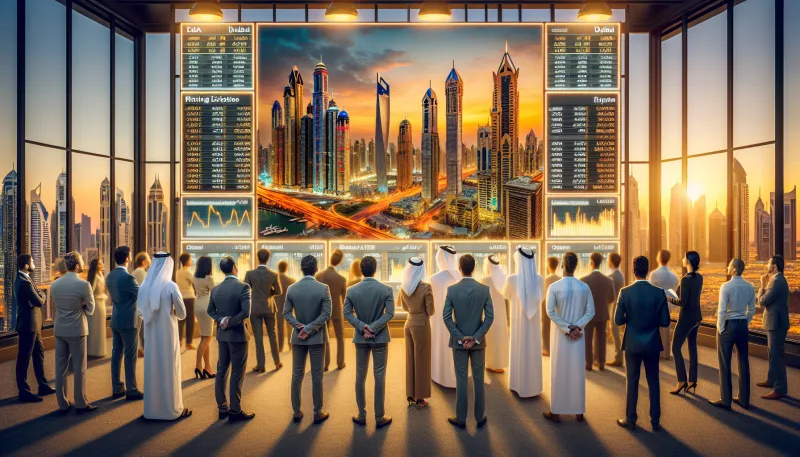
Sentiment indicators pointed to sustained optimism among investors and developers heading into Q2, with many expecting the momentum to continue if macroeconomic and geopolitical conditions remain stable. Market-watchers highlighted rising tourism, business events and long-term policy frameworks as key drivers that could maintain upward trajectory for UAE real estate.
Focused on delivering informative, accessible content