UAE property market evolves as Dubai rebounds, Abu Dhabi advances reforms and geopolitical risks shape investor strategy
The UAE property market is entering a new phase as Dubai shows clear signs of recovery, Abu Dhabi accelerates structural reforms and regional geopolitical tensions force both buyers and institutions to recalibrate risk exposure. This article examines the market dynamics, policy shifts and strategic responses shaping investment flows across the Emirates.
- Market overview: a faster rebound in Dubai, measured momentum in Abu Dhabi
- Dubai's rebound: demand drivers and the post-Expo effect
- Price dynamics: divergence between luxury, mid-market and rental segments
- Abu Dhabi reforms: policy changes broadening investor access
- Supply and development: balancing pipelines with absorption rates
- Financing and interest rates: mortgage markets and capital cost considerations
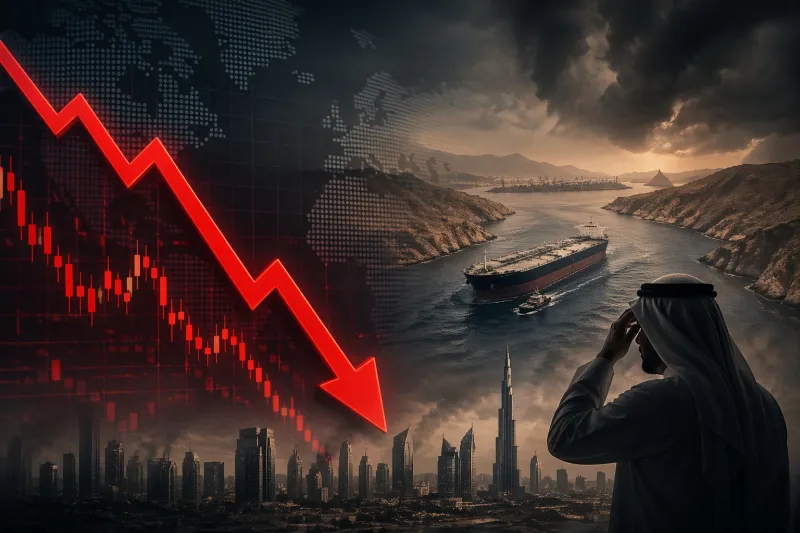
- Geopolitical risks: how regional tensions alter investor behavior
- Institutional and foreign capital: sovereigns, family offices and REIT activity
- Investor strategies: diversification, hedging and active asset management
- Proptech, transparency and market infrastructure improvements
Market overview: a faster rebound in Dubai, measured momentum in Abu Dhabi
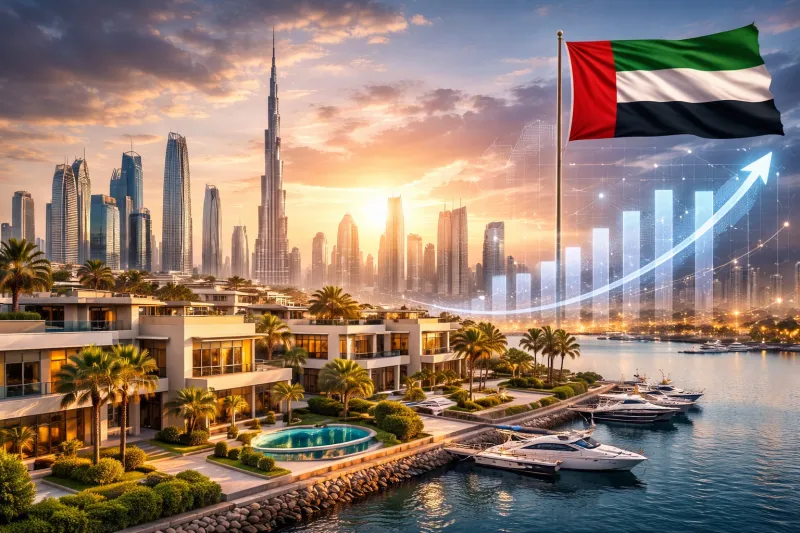
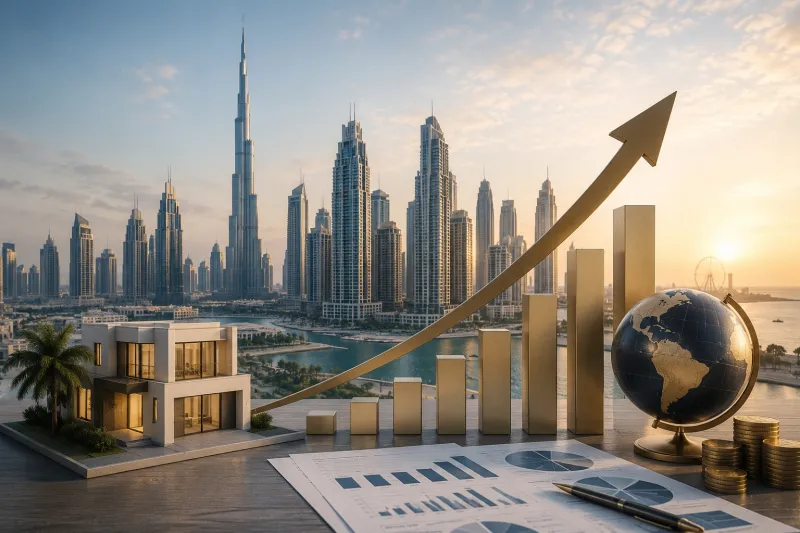
After several years of cyclical adjustment, Dubai has emerged as the faster-moving recovery engine within the UAE property market, supported by tourism, returning expatriates and high-net-worth inflows. Abu Dhabi's growth is steadier and more policy-driven, with government-led reforms improving transparency and access for foreign investors. Across both emirates, transaction volumes and sentiment are diverging by asset class: luxury and hospitality are leading in Dubai, while Abu Dhabi focuses on long-term institutional asset quality.
Dubai's rebound: demand drivers and the post-Expo effect
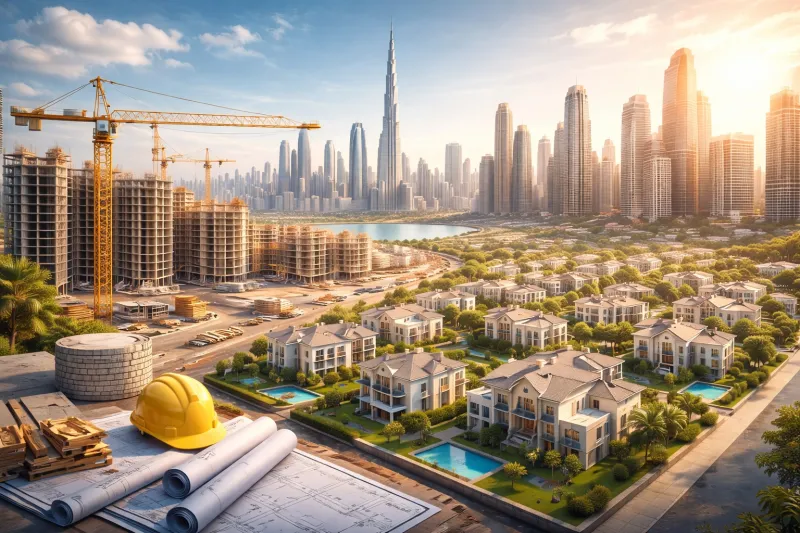
Dubai's recovery owes much to a combination of factors: a post-Expo bounce in tourism, renewed corporate relocations, and an influx of international buyers seeking safe-yield assets. The luxury segment has seen particularly strong interest, while improved air connectivity and events calendar have restored short-term rental demand. Developers with completed inventory or quick-delivery projects are capturing those buyers who prefer lower risk than off-plan commitments.
Price dynamics: divergence between luxury, mid-market and rental segments
Price movements are uneven across the UAE. In Dubai, prime beachfront and skyline residences have outperformed mid-market units, driven by scarcity and foreign demand. Rents have risen in central locations, compressing yields for some investors but improving cash flow for landlords. Abu Dhabi shows more modest price appreciation, with a clearer emphasis on affordability and longer-term lease stability, which is appealing to institutional buyers seeking predictable returns.
Abu Dhabi reforms: policy changes broadening investor access
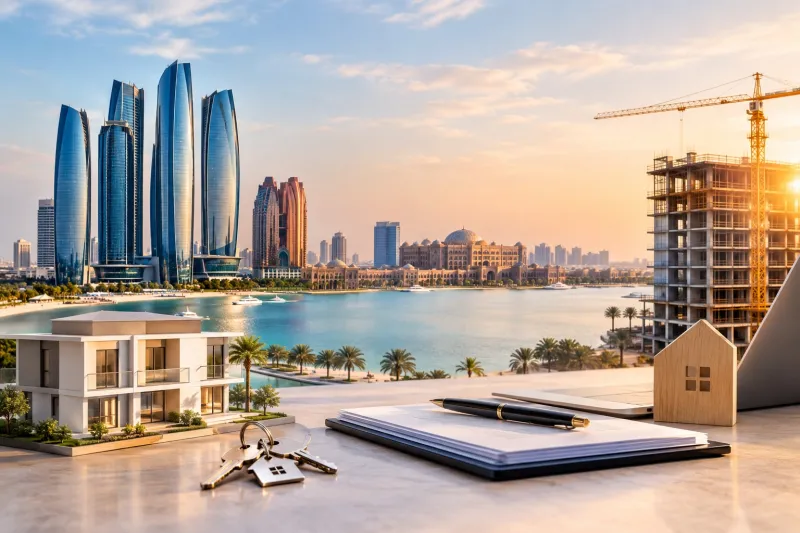
Abu Dhabi has implemented a series of reforms aimed at deepening capital markets and property ownership frameworks. Changes include expanded freehold zones, streamlined registration processes, enhanced mortgage availability and incentives for long-term residency tied to property investment. The result is a more investible market for foreign capital, with authorities emphasizing legal clarity and institutional-grade governance.
Supply and development: balancing pipelines with absorption rates
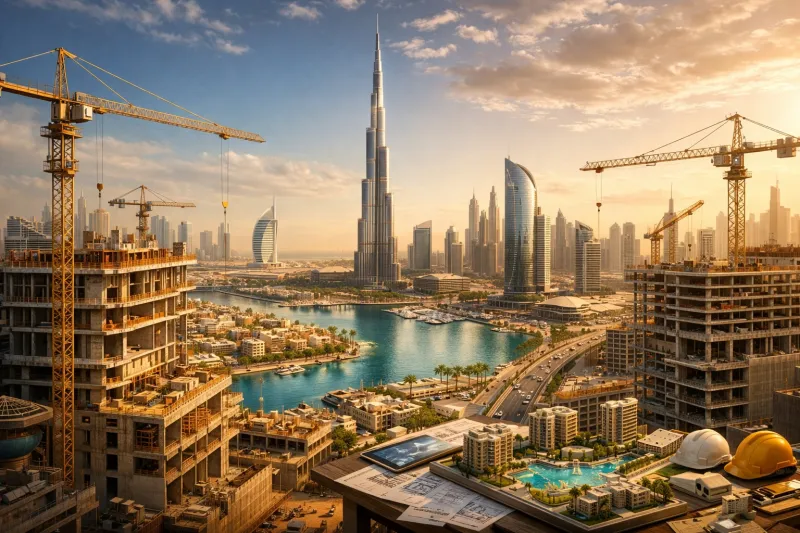
Developers in both emirates face the challenge of aligning new supply with absorption. Dubai's pipeline remains substantial but recent faster sales of completed units have reduced weeks-on-market for certain submarkets. Off-plan projects still account for meaningful future stock, creating timing risk for buyers and lenders. Abu Dhabi has been more conservative with launches, favoring projects that match urban planning and employment growth patterns.
Financing and interest rates: mortgage markets and capital cost considerations
Global rate volatility has reverberated through UAE financing channels. Mortgages have become pricier for some buyers, tightening affordability in the mid-market while pushing investor interest toward income-generating assets. Local banks remain the primary lenders, but participation from international banks and sukuk issuance has increased, offering diversified funding sources for developers and REITs. Lenders are also applying more rigorous underwriting, especially on large off-plan exposures.
Geopolitical risks: how regional tensions alter investor behavior
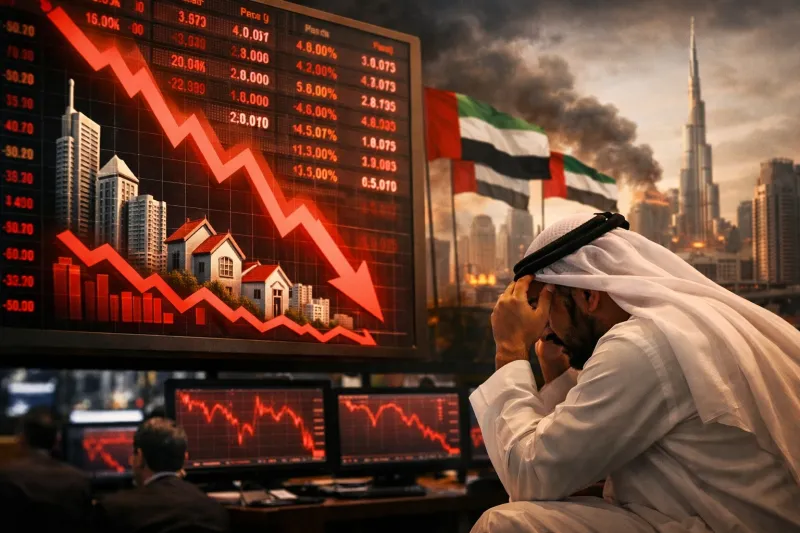
Geopolitical uncertainty in the broader Middle East has a nuanced impact on real estate flows. For some international investors, the UAE's relative stability and diplomatic outreach enhance its appeal as a safe regional hub. Yet proximity risk, insurance costs and potential disruptions to trade or travel prompt more conservative positions, increased due diligence and shorter holding periods. Institutions are layering contingency scenarios into valuation models to account for episodic shocks.
Institutional and foreign capital: sovereigns, family offices and REIT activity
Institutional interest in UAE real estate continues to grow, led by sovereign wealth funds, regional family offices and the slow but steady expansion of REIT listings. These buyers favour assets with clear governance, long-term contracts and ESG credentials. Cross-border capital is being attracted by yield differentials and currency stability, while private capital is active in niche sectors such as logistics, hospitality and purpose-built student housing.
Investor strategies: diversification, hedging and active asset management
Investors are adapting to the dual realities of opportunity and risk. Popular strategies include geographic diversification across emirates, shifting allocations toward income-producing properties, and using short-term lets to arbitrage tourism cycles. Hedging techniques from currency overlays to political risk insurance are more common, and active asset management, with an emphasis on operational efficiency and tenant retention, is becoming a differentiator for returns.
Proptech, transparency and market infrastructure improvements
Improved market infrastructure is supporting smarter capital allocation: enhanced transaction platforms, richer listing data and more reliable title and registry systems reduce informational frictions. Proptech adoption is streamlining leasing, valuation and property management, while regulators in both Dubai and Abu Dhabi are gradually improving disclosure standards. Greater transparency benefits international investors and helps price discovery across segments, paving the way for more sophisticated products like tokenised assets and listed real estate vehicles.
Focused on delivering informative, accessible content