Dubai real estate market transitions to long-term growth as Q1 transactions jump 31%
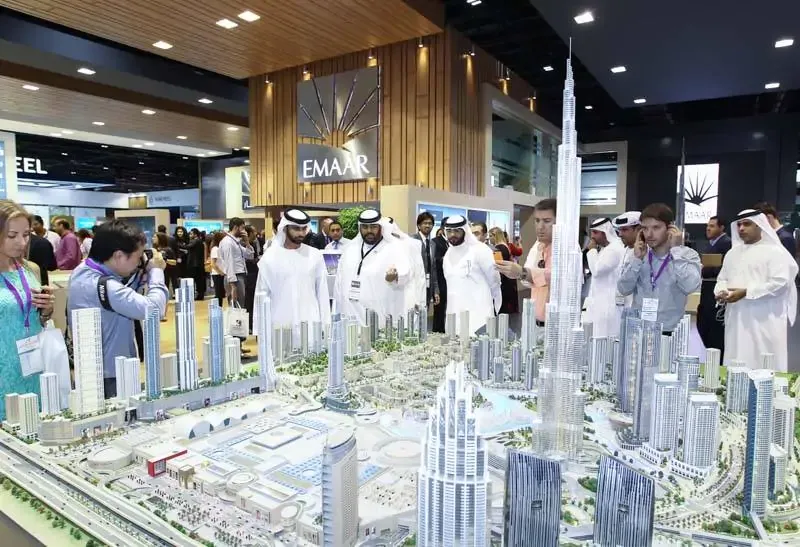
The Dubai real estate market opened the year with a striking surge: Q1 transactions rose 31% year‑on‑year, signaling a shift from short-term cyclical recovery toward a more sustained growth trajectory. This article examines the drivers behind the jump, changing buyer profiles, supply and pricing dynamics, and the structural changes that point to longer-term expansion.
- Market snapshot: Q1 momentum and what it means
- Breakdown of the transaction spike by segment
- Changing buyer profiles: investors versus end users
- Pricing trends: where values are moving
- Supply dynamics and the role of new launches
- Rental market interplay and yield implications
- Foreign investment, residency incentives and capital flows
- Financing environment and mortgage market developments
- Regulatory changes and improved market transparency
- Drivers for sustained growth beyond the headline numbers
Market snapshot: Q1 momentum and what it means
The first quarter's 31% increase in transactions reflects both heightened buyer confidence and renewed liquidity in the market. Activity was broad‑based across freehold and leasehold areas, with both primary sales and secondary transactions contributing to the rise. Such a sharp uptick in deal flow typically precedes price firming and attracts additional development and investment interest.
Breakdown of the transaction spike by segment
Analysis of registry data and broker reports shows the uplift was most pronounced in mid‑market apartments and ready‑to‑move villas, while super‑prime sales also performed well. Off‑plan purchases regained steam after a period of muted launches, and secondary market trades accounted for a significant share of the increase, indicating both investor rotation and genuine end‑user demand.
Changing buyer profiles: investors versus end users
The Q1 activity mix suggests a diversification of buyers. Where previous cycles were dominated by short‑term investors seeking quick capital gains, recent transactions show higher participation from long‑term investors, expatriate end users and families seeking residence. This shift is visible in the pickup of larger, amenity‑rich units and purchases in established communities with school and transport links.
Pricing trends: where values are moving
Price movement during the quarter was uneven: prime, waterfront and central districts saw stronger appreciation, while peripheral mass‑market areas experienced more modest gains. Average asking prices increased in several popular communities as new demand outpaced immediate resale supply, though developers offering incentives in the off‑plan space kept nominal headline prices competitive.
Supply dynamics and the role of new launches
Developers accelerated selective launches to meet renewed demand, focusing on mixed‑use schemes and projects with long lead‑times. At the same time, built inventory in desirable neighborhoods tightened, supporting resale activity. The combination of targeted new supply and constrained immediate availability in certain micro‑markets is supporting healthier pricing and absorption rates.
Rental market interplay and yield implications
Rents have shown steady recovery alongside sales, lifting gross yields for well‑located stock. Landlords who invested in quality assets with durable tenant demand are seeing improving occupancy and rental growth, which in turn underpins investor interest. For prospective buyers, the rent‑to‑price balance is a key consideration when evaluating long‑term total returns.
Foreign investment, residency incentives and capital flows
Regulatory incentives such as extended residency options and streamlined investor pathways have helped attract foreign capital. Combined with Dubai's open ownership framework for many property categories and a strong tourism pipeline, these factors are turning the emirate into a magnet for international buyers seeking portfolio diversification and lifestyle residence.
Financing environment and mortgage market developments
Mortgage availability and competitive lending terms supported a portion of the Q1 uplift. Local banks and international lenders have been refining product offerings for expatriate buyers, while serviceability tests and down‑payment requirements remain key determinants of transaction speed. The interplay between global interest rate trends and local lending conditions will shape affordability going forward.
Regulatory changes and improved market transparency
Recent moves to enhance market transparency, including better access to transactional data and clearer disclosure requirements for off‑plan projects, have reduced information frictions. Enhanced escrow protections and more rigorous developer reporting are increasing buyer certainty, which supports longer‑term investment decisions rather than speculative, short‑term trading.
Drivers for sustained growth beyond the headline numbers
Beyond the immediate 31% surge, several structural drivers point to sustained growth: continued population expansion, tourism resilience, infrastructure projects, and a policy environment oriented toward attracting global talent and capital. These fundamentals suggest the market is transitioning from cyclical rebounds to a more durable expansion phase supported by both domestic and international demand.
Focused on delivering informative, accessible content