UAE property market bucks war fears as buyers chase long-term returns
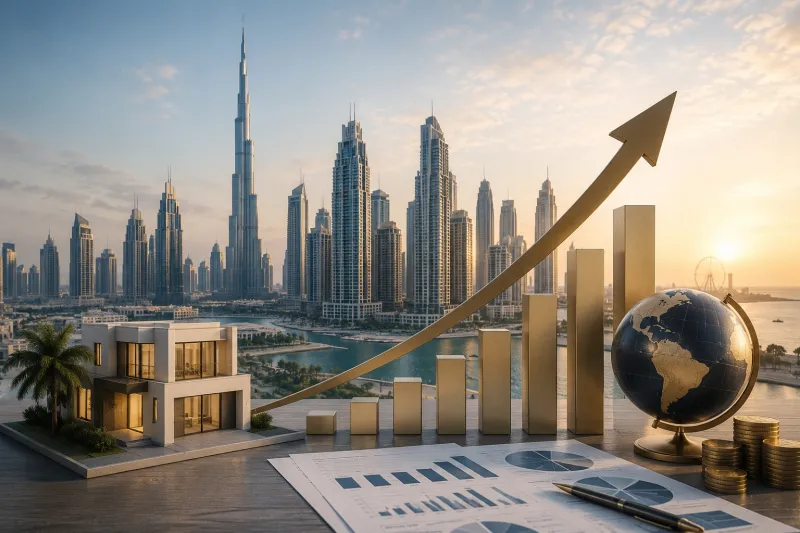
Despite heightened geopolitical tensions in the region, the UAE property market has continued to attract buyers focused on long-term capital preservation and income. Investors point to stable policy frameworks, attractive yields, and resilient demand drivers that have insulated real estate from short-term shocks, prompting sustained activity across Dubai, Abu Dhabi and emerging emirate hubs.
- Market resilience amid regional tensions
- Buyer profile shifts toward long-term investors
- Government policy and regulatory support
- Visa schemes and incentives boosting demand
- Price dynamics and selective appreciation
- Rental market strength and yield attraction
- Foreign capital flows and source markets
- Off-plan projects and developer strategies
- Infrastructure, tourism and economic diversification
- Financing access and mortgage market trends
Market resilience amid regional tensions
The UAE has demonstrated an unusual degree of resilience even as nearby conflicts and geopolitical anxieties rise. Market participants frequently highlight that the country's neutral diplomatic stance, diversified economy and large sovereign wealth buffers help dampen investor panic. Transaction volumes have shown seasonal lulls but not the sharp drops seen in other conflict-adjacent markets, indicating confidence that any turmoil will be temporary rather than structural.
Buyer profile shifts toward long-term investors
Developers and brokers report a growing share of purchases by buyers with multi-year horizons: family offices, high-net-worth individuals, and institutional investors seeking portfolio diversification. These buyers prioritize capital preservation, rental yield, and asset quality over short-term speculation. End-user demand, particularly from expatriates looking for stable residences, also underpins transactions, reducing reliance on purely speculative activity.
Government policy and regulatory support
Regulatory clarity has been central to maintaining investor trust. Recent measures on title registration, escrow protections and transparency in developer obligations have reassured buyers and lenders alike. Authorities have also intervened to streamline permitting and reduce friction for foreign purchases, creating a legal and administrative environment that supports sustained investment even amid wider regional uncertainty.
Visa schemes and incentives boosting demand
Long-term residency programs such as the UAE Golden Visa and expanded work permit rules have materially increased the attractiveness of property ownership. Many buyers cite the ability to secure multi-year residency as a decisive factor in choosing to invest in UAE real estate rather than nearby markets.
- Golden visas for investors and skilled professionals
- Longer-term work and family permits tied to property thresholds
- Tax advantages for certain classes of buyers
Price dynamics and selective appreciation
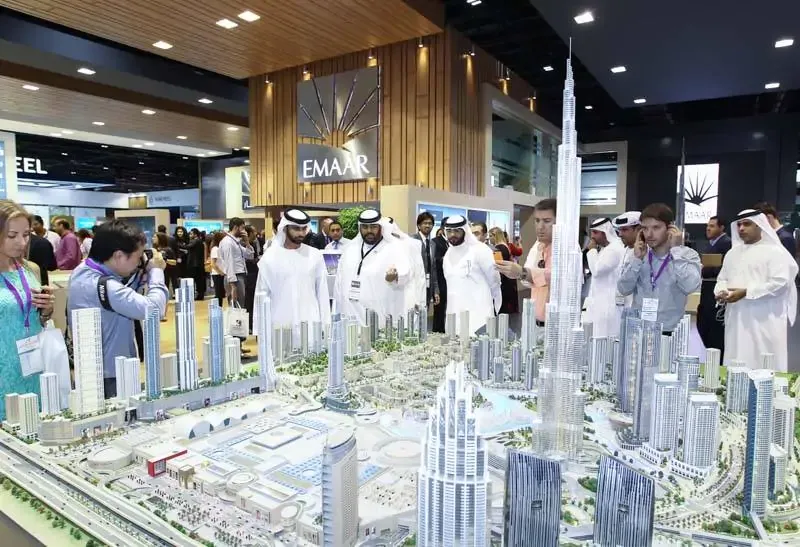
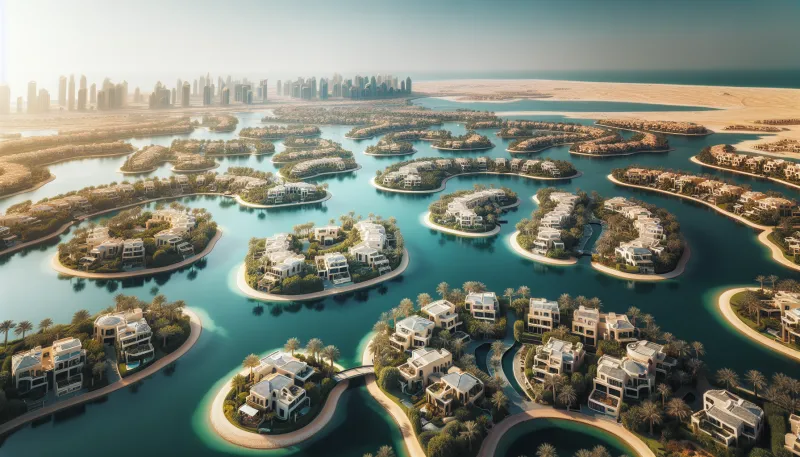
Overall price movement has been uneven, with prime waterfront and central business locations outpacing secondary areas. Attractive entry points in new developments have drawn value-focused buyers, while iconic projects and limited-supply inventories have seen notable appreciation. Analysts emphasize that micro-market fundamentals, location, developer reputation, and quality now drive price differentiation more than macro geopolitical headlines.
Rental market strength and yield attraction
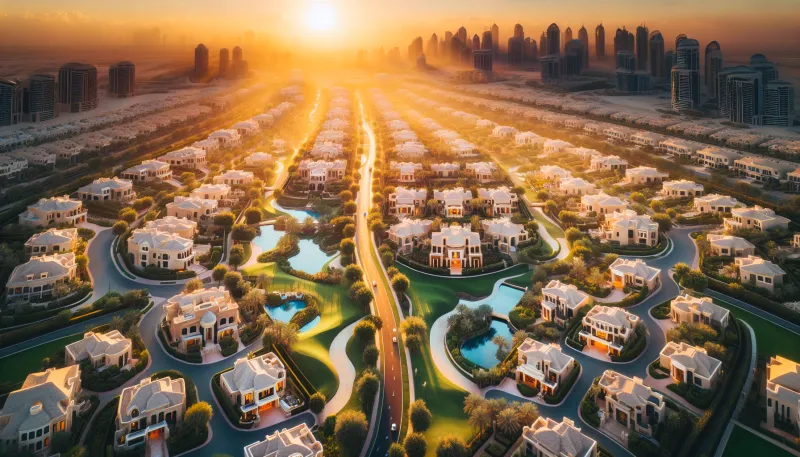
Rents have recovered in many urban hubs, supporting yield-based investment strategies. Investors seeking cash flow are targeting areas with high tenant demand from professionals, tourists and students. Net yields in selected neighborhoods remain competitive against regional alternatives, and the combination of stable rental income plus potential capital upside is a prominent motive for buyers bypassing short-term war concerns.
Foreign capital flows and source markets
Capital inflows into UAE property continue from a diverse set of source markets: Europe, South Asia, East Asia and GCC neighbors. Many international buyers view the UAE as a safe regional hub for wealth diversification. Currency volatility and political risk in some source countries have actually accelerated outbound investment into Dubai and Abu Dhabi, where legal protections and liquidity are perceived as stronger.
Off-plan projects and developer strategies
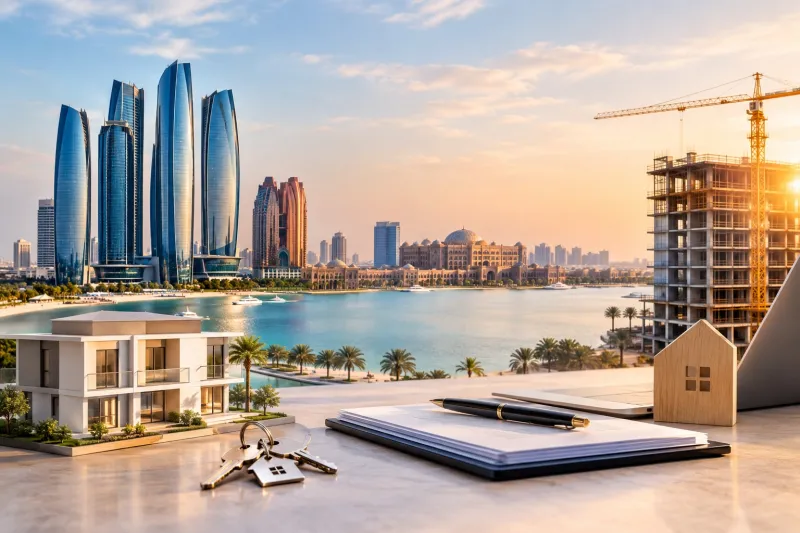
Developers have adapted by offering structured payment plans, buyback guarantees and rental management packages to reassure cautious buyers. Off-plan sales remain an important channel for new supply funding, but product has become more tailored: focus on mixed-use, sustainable design and amenities that attract long-term tenants. These developer strategies reduce investment perceived risk and lengthen holding horizons for purchasers.
Infrastructure, tourism and economic diversification
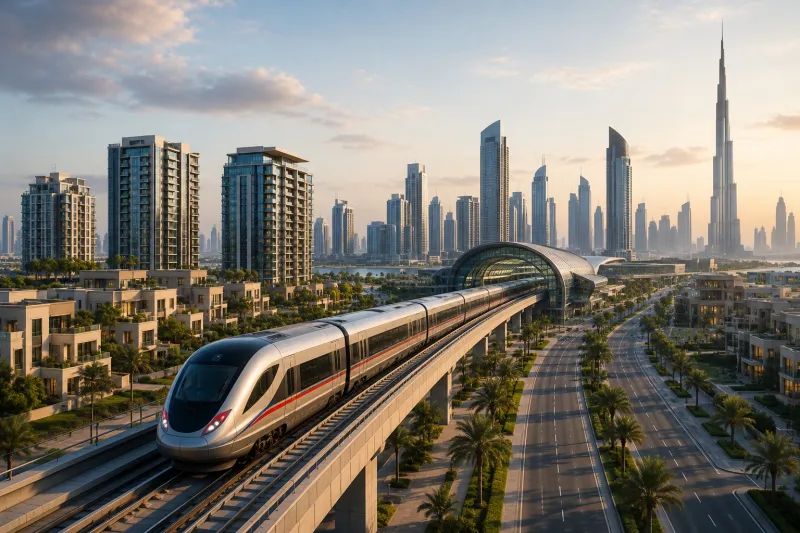
Major infrastructure projects, tourism recovery, and the move toward knowledge-based industries continue to support real estate fundamentals. New transport links, hospitality investments, and business hubs increase catchment areas for residential and commercial properties. The UAE’s diversification agenda in energy, fintech, logistics, and creative industries creates new employment nodes that feed long-term housing demand.
Financing access and mortgage market trends
Lenders have cautiously expanded mortgage offerings, with competitive fixed-rate products and tailored financing for non-resident buyers. Credit criteria remain prudent, but increased liquidity in the banking sector and securitization initiatives have improved access to funding. This financing availability is crucial for sustaining buyer activity, particularly among second-home purchasers and investors targeting rental income.
Focused on delivering informative, accessible content