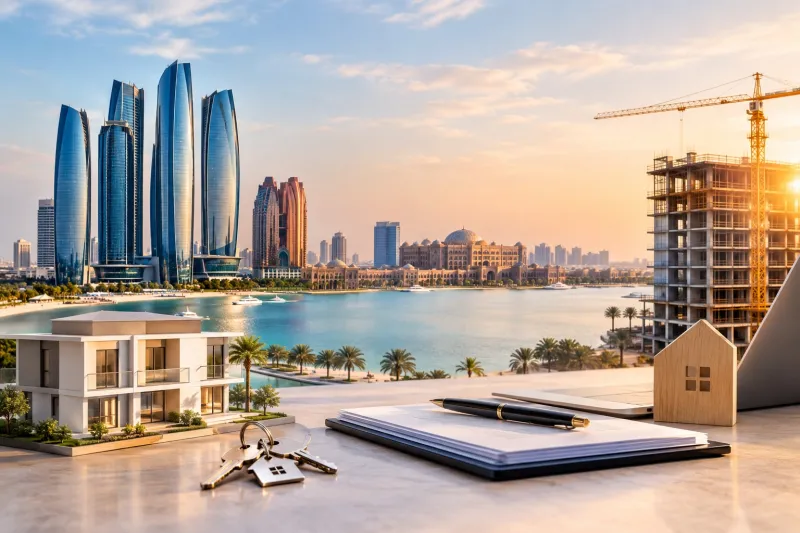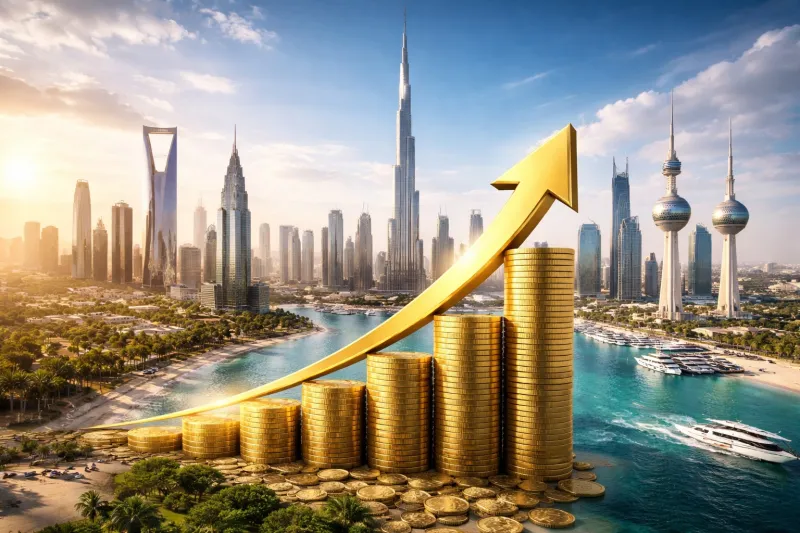
GCC set to lead global property growth in H1 2026, led by Saudi Arabia, UAE and Kuwait
Economic diversification, record liquidity and a surge in large-scale development projects have positioned the Gulf Cooperation Council (GCC) to outpace other regions in property market growth during the first half of 2026. Saudi Arabia, the UAE and Kuwait stand out as primary engines of this expansion, supported by policy reforms, inbound capital and a rebound in tourism and corporate activity.
- Regional growth drivers and macroeconomic backdrop
- Saudi Arabia: large-scale projects and domestic demand
- UAE: urban density, tourism rebound and international capital
- Kuwait: underappreciated market with fresh momentum
- Investment flows and cross-border capital trends
- Sectoral performance: residential, office and retail
- Tourism, events and hospitality tailwinds
- Regulatory reforms and market transparency improvements
- Pipeline risks, construction bottlenecks and cost pressures
- Market outlook and investor positioning for H1 2026
Regional growth drivers and macroeconomic backdrop
The GCC's property upswing in H1 2026 is anchored in strong macro fundamentals: sustained oil revenues, rising sovereign and private investment, and accommodative monetary conditions. Governments have continued to spend on infrastructure and urban transformation while central banks kept liquidity ample, creating a favourable financing environment for developers and buyers.
Saudi Arabia: large-scale projects and domestic demand
Saudi Arabia leads with an unprecedented pipeline of giga-projects and urban regeneration schemes. Initiatives tied to Vision 2030, including NEOM, the Red Sea Project and Qiddiya, have accelerated construction activity and attracted foreign developers. Domestic demand has been bolstered by a growing middle class, relaxed mortgage rules and incentives for national home ownership, driving both residential sales and mid-market rental growth.
UAE: urban density, tourism rebound and international capital
The UAE's recovery is fuelled by a robust tourism rebound, strong Dubai and Abu Dhabi hotel performance, and persistent appetite from international investors. Free zone expansion, business-friendly visa reforms and high-profile events have supported office and hospitality leasing, while luxury residential segments have seen price appreciation as global buyers seek safe-yield assets in the region.
Kuwait: underappreciated market with fresh momentum
Kuwait has emerged as an underappreciated growth story in H1 2026. Public spending on municipal upgrades, transport links and mixed-use developments has catalysed private sector participation. Reforms to land allocation and streamlined permitting have shortened project lead times, and local investors are increasingly diversifying into mid-rise residential and retail assets.
Investment flows and cross-border capital trends
Cross-border capital into GCC real estate surged as sovereign wealth funds, private equity and institutional investors sought higher returns than those available in developed markets. The region benefited from a flight to larger, structural projects with clear exit strategies, while secondary cities gained attention for yield-enhancing opportunities.
Sectoral performance: residential, office and retail
Residential markets led in transaction volumes, driven by new mortgage products and government incentives. Offices saw selective recovery concentrated in business districts with strong corporate demand. Retail experienced a two-speed market: luxury and experiential retail near tourist hubs performed strongly, while secondary mall assets faced pressure and required repurposing strategies.
Tourism, events and hospitality tailwinds
Major events and a sustained leisure rebound were key demand multipliers for hospitality and short-stay residential. Cities that successfully positioned themselves as year-round tourism hubs reported higher occupancies and ADRs, prompting developers to restart delayed hotel and mixed-use pipeline projects.
Regulatory reforms and market transparency improvements
Regulatory upgrades across several GCC states improved investor confidence. Reforms included clearer property ownership frameworks for foreigners, enhanced tenant protection laws, and digitalisation of land registries. These changes reduced transaction friction and made market entry more attractive for global firms.
Pipeline risks, construction bottlenecks and cost pressures
Despite strong momentum, the region faces headwinds: supply chain disruptions, labour shortages and rising construction costs could delay deliveries and compress developer margins. Projects with aggressive timelines are most vulnerable, and investors are increasingly prioritising staged development and pre-sales to mitigate execution risk.
Market outlook and investor positioning for H1 2026
For H1 2026, investors are positioning portfolios toward gateway cities, large-scale residential schemes and hospitality assets tied to tourism corridors. Risk-aware capital is favouring assets with strong cash flow visibility and sovereign or corporate-backed sponsors, while opportunistic buyers hunt for distressed or mispriced secondary assets that could be repositioned.
Focused on delivering informative, accessible content