Duplex demand surges: why these units are in the 2025–2026 market spotlight
The 2025–2026 real estate cycle has put duplex units center stage as buyers, renters and investors reassess priorities around cost, space and flexibility. From changing demographics to policy shifts and financing dynamics, multiple forces are converging to make duplexes an attractive, resilient segment of the housing market.
- Shifting demographics and housing needs
- Affordability and rental yield advantages
- Mortgage and financing trends favor duplex purchases
- Land scarcity and efficient use of urban lots
- Remote work, flexible living and space optimization
- Investor appetite and portfolio diversification
- Zoning reforms and accessory dwelling unit momentum
- Renovation and conversion potential
- Resilience in market downturns and liquidity advantages
- Design trends responding to buyer preferences
Shifting demographics and housing needs
Population changes—aging baby boomers, rising single-person households and younger families delaying homeownership—are altering demand patterns. Duplexes offer adaptable footprints that suit a range of household types: a compact unit for an older homeowner with a rentable unit for income, or side-by-side spaces for multigenerational living. This demographic flexibility helps explain increased buyer interest in duplex inventory.
Affordability and rental yield advantages
Affordability pressures in many metros make duplexes financially compelling. Buyers can purchase one property and generate rental income to offset mortgage costs, improving cash flow and lowering effective housing expenses. For investors, duplexes often deliver superior rent-per-square-foot and lower vacancy risk than single-family homes, improving overall yield.
Mortgage and financing trends favor duplex purchases
Lenders and fintech platforms have adapted underwriting to recognize rental income from adjacent units more readily than before, and certain government-backed loan programs allow owner-occupants to finance duplexes with favorable terms. These financing shifts reduce the barrier to entry for owner-occupant investors and make duplexes more accessible to first-time buyers seeking income support.
Land scarcity and efficient use of urban lots
In dense urban and inner-suburban neighborhoods where land is scarce, duplexes make efficient use of existing lots by doubling occupancy without dramatically altering neighborhood fabric. Municipalities looking to increase housing supply with minimal infrastructure expansion are often receptive to duplex development, positioning these units as a pragmatic growth option.
Remote work, flexible living and space optimization
The normalization of remote and hybrid work has heightened demand for homes that balance private workspace with separate living areas. Duplexes can function as a live-work arrangement—one unit used by the resident as an office or studio while the other provides rental income or guest space—delivering both privacy and operational flexibility.
Investor appetite and portfolio diversification
Institutional and private investors seeking to diversify away from single-family builds are increasingly adding small multi-family assets like duplexes to portfolios. Duplexes present lower per-unit acquisition costs than larger apartment blocks, easier management logistics, and attractive cap rates during the current market cycle, encouraging steady acquisition activity.
Zoning reforms and accessory dwelling unit momentum
Many cities and states introduced zoning reforms between 2023 and 2025 that encourage denser, more varied housing types. Relaxed rules for duplexes and accessory dwelling units (ADUs) have reduced approval friction and increased conversions. As local governments aim to meet housing targets, regulatory tailwinds make duplex development and conversion simpler and cheaper.
Renovation and conversion potential
Existing single-family homes on larger lots represent prime candidates for conversion to duplexes or adding a second unit. Cost-effective renovation techniques and modular construction approaches have lowered the barrier for such conversions. Homeowners and small developers recognize the value uplift and recurring income potential unlocked by adding a second dwelling.
Resilience in market downturns and liquidity advantages
Duplexes often show resilience during downturns because one occupant can subsidize occupancy while the other unit remains vacant, reducing default risk for owner-occupants. This built-in income cushion enhances borrower stability and can preserve liquidity for owners and lenders alike, making duplexes a lower-risk option during uncertain market periods.
Design trends responding to buyer preferences
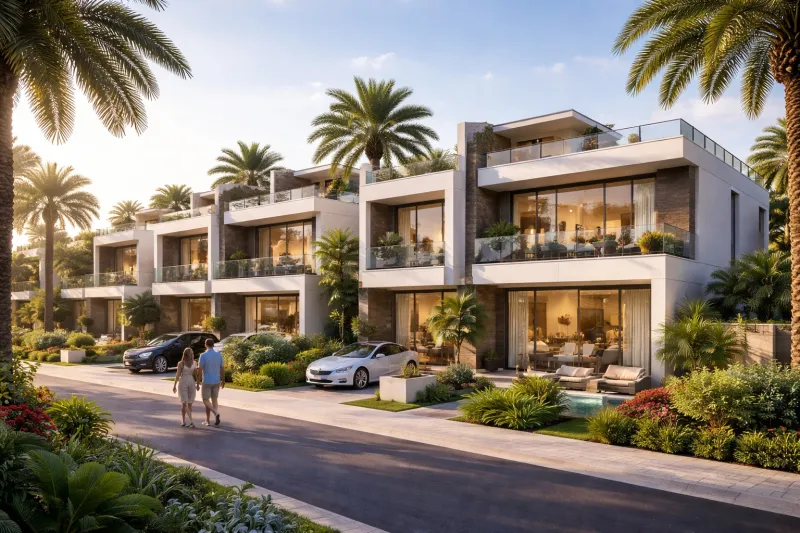
Contemporary duplex designs emphasize separate entrances, soundproofing, independent systems and flexible layouts, addressing historic concerns about privacy and livability. Developers and architects are marketing duplexes with modern finishes, efficient floorplans and sustainable features, aligning product offerings with the preferences of younger buyers and eco-conscious tenants.
Focused on delivering informative, accessible content