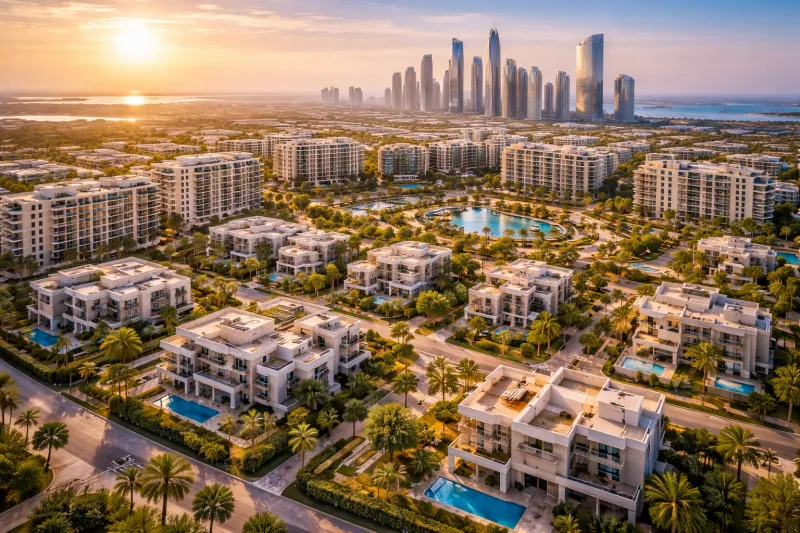
UAE housing market enters a buyer-focused phase as rising supply pushes developers toward incentives and competitive pricing
The UAE housing market is shifting noticeably toward buyers as a wave of new supply across key emirates meets tempered demand. Developers are responding with enhanced incentives, more flexible payment plans and sharper pricing to attract both end-users and investors. This article explores the drivers of the shift, the types of incentives on offer, regional differences, and what buyers and investors should watch for.
- market shift toward buyers
- rising supply across emirates
- developer incentives and pricing strategies
- off-plan versus ready inventory dynamics
- impact on the rental market and tenants
- financing, mortgage rates and buyer affordability
- investor sentiment and capital flows
- regulatory and policy environment
- competition and branding among developers
- practical considerations for buyers and investors
market shift toward buyers
After several years of seller momentum and price growth, the balance in the UAE now favors buyers in many segments. A combination of higher new completions, slower net migration in certain months and a cooling in speculative demand has created more negotiating power for purchasers. Developers who previously enjoyed rapid off-plan sales are now tailoring offers to secure reservations and maintain cash flow.
rising supply across emirates
Supply has been expanding across Dubai, Abu Dhabi and emerging UAE destinations. Major masterplans and mixed-use projects are moving from presales to handovers, and the pipeline of off-plan launches remains robust. This influx of units is most visible in mid- to high-rise apartments and affordable villas, creating segment-specific oversupply pressures that underpin buyers' leverage.
developer incentives and pricing strategies
Developers are deploying a range of incentives to stimulate demand. Common measures include:
- Flexible payment plans: extended post-handover payment schedules and reduced down payments;
- Price discounts: limited-time markdowns or locked-in pricing for early buyers;
- Buy-back and rental guarantees: short-term income assurances to attract investors;
- Promotion bundles: waived fees, furnishing packages, and utilities subsidies.
These tactics aim to shorten sales cycles and improve velocity without necessarily cutting headline prices across the board.
off-plan versus ready inventory dynamics
The interaction between off-plan launches and ready inventory is reshaping buyer choices. Ready properties offer immediate occupancy and rental income, making them attractive to tenants and income-focused investors, while off-plan units still appeal through lower entry prices and customisation options. Developers are increasingly linking off-plan offers to ready-unit value propositions, using discounts on ready stock to shift inventory faster.
impact on the rental market and tenants
Increased supply of completed properties places downward pressure on rents in specific submarkets, especially for mid-range apartments. Tenants benefit from more options, improved incentives such as shorter lease terms or broker fee discounts, and selective rent reductions. However, prime and ultra-luxury segments tied to international demand and tourism remain more resilient.
financing, mortgage rates and buyer affordability
Mortgage availability and cost are central to affordability. Local banks in the UAE have been moderating lending criteria in response to policy guidance and competition, while global rate movements influence pricing. Attractive developer payment plans can mitigate higher borrowing costs by deferring cash outflows, but buyers should evaluate total financing costs, loan-to-value limits and scenario stress-testing if rates rise further.
investor sentiment and capital flows
Investor sentiment is bifurcating. Yield-seeking investors are cautious where rents compress and holding periods lengthen, while long-term allocators remain interested in strategic UAE exposure due to economic diversification, tax advantages and residency-linked schemes. Offshore capital flows continue into trophy assets and selective freehold areas, but smaller speculative plays face greater scrutiny.
regulatory and policy environment
Regulatory actions and government incentives shape market dynamics. Continued clarity on leasing regulations, escrow enforcement, developer disclosure and visa-linked property programs supports buyer confidence. Policymakers have also signalled a desire for balanced growth; measures that promote transparency and protect end-users can accelerate market normalization while discouraging frothy speculation.
competition and branding among developers
Heightened competition forces developers to differentiate beyond price. Branding, masterplan quality, community amenities and post-sales service are critical. Some developers emphasize sustainability credentials or lifestyle partnerships, while others focus on rapid handovers and completion track records. Strong brand equity enables selective premium pricing even in a buyer-favourable market.
practical considerations for buyers and investors
Buyers should approach the current market with structured due diligence. Key considerations include:
- Comparative price analysis across similar developments and recent transactions.
- Assessment of the total cost of ownership, including service charges and maintenance.
- Verification of developer reputation, completion schedules, and escrow protection.
- Scenario planning for rental yields and exit timing.
- Utilisation of incentives only when they improve long-term returns, not as sole decision drivers.
By evaluating these factors, purchasers can take advantage of the buyer-friendly environment while managing downside risks.
Focused on delivering informative, accessible content