Dubai property market surges to $19.7B in early 2026, off-plan sales soar 128%
Dubai's real estate market kicked off 2026 with a dramatic rise in transactions, reaching a total value of $19.7 billion in the opening months, while off-plan sales exploded by 128% year-on-year. This sudden acceleration has reshaped investor sentiment, altered developer strategies and sent ripples through the rental and secondary markets.
- Market snapshot and headline figures
- Why off-plan sales are soaring
- Shift in buyer profile and geographic mix
- Price dynamics across segments
- Supply pipeline and delivery timelines
- Regulatory tailwinds and investor-friendly policies
- How developers are adapting their strategies
- Financing environment and mortgage trends
- Impact on the rental market and investor yields
- Outlook and key risks to monitor
Market snapshot and headline figures
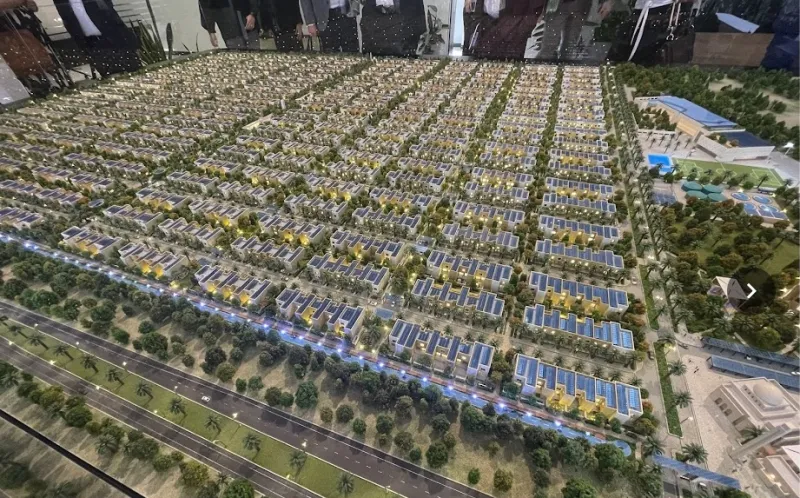
The early-2026 tally of $19.7 billion represents a clear acceleration from prior periods, driven by higher volumes and larger average deal sizes. Transaction activity was notably concentrated in newly launched projects and select prime addresses, with brokers reporting a spike in both domestic and international participation. Off-plan transactions were a standout, recording a 128% increase that reshaped the composition of total sales.
Why off-plan sales are soaring
Several factors explain the runaway growth in off-plan purchases:
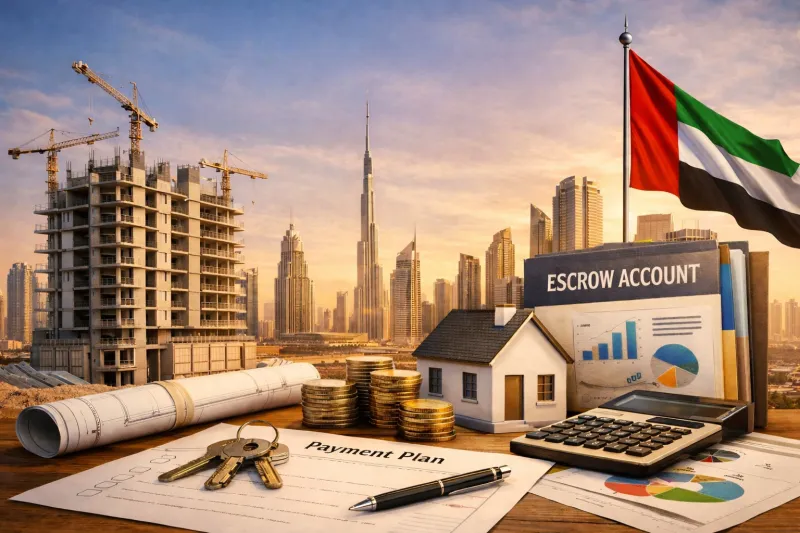
- Attractive Payment Plans: Developers are offering flexible, extended payment plans that reduce upfront costs, making it easier for investors and end-users to commit early.
- High Capital Appreciation Potential: Buyers are motivated by the opportunity to purchase properties below current market value, anticipating strong price growth by the time projects are completed.
- Government Incentives & Regulatory Support: Policies promoting foreign investment, long-term visas, and streamlined ownership processes make off-plan purchases more secure and appealing.
- Premium Project Quality & Amenities: Developers are focusing on high-quality finishes, iconic locations, and lifestyle amenities, which attract investors looking for both rental yield and long-term value.
- Speculative Investment & Market Confidence: Strong market sentiment and record sales in completed units drive confidence, prompting more investors to enter the off-plan segment early.
Shift in buyer profile and geographic mix
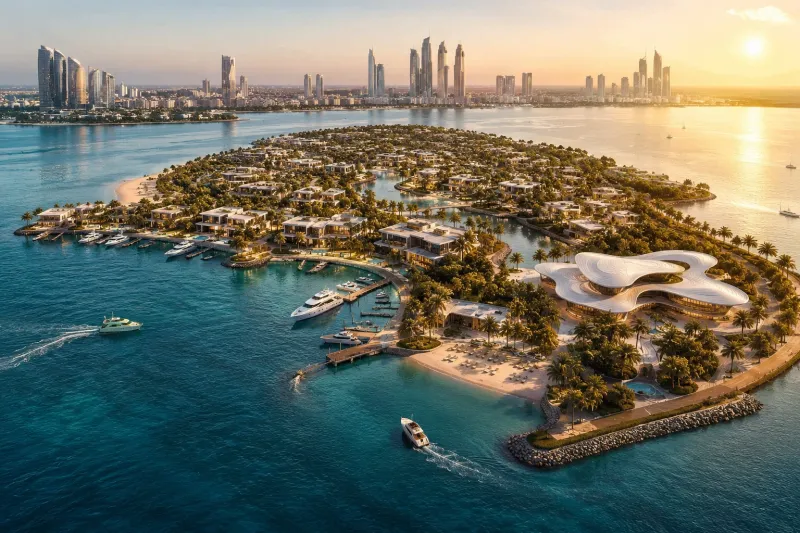
Buyer composition has broadened beyond traditional Gulf and regional purchasers. A larger share of transactions came from international investors seeking yield and residency-linked benefits, alongside stronger participation from end-users relocating for work. High-net-worth individuals targeted luxury waterfront and branded developments, while young professionals and families favored value-driven apartments with amenity-rich communities.
Price dynamics across segments
Price movement has been uneven across Dubai’s market. Prime waterfront and central-business districts experienced sharper appreciation as demand outpaced immediate supply, while mid-market and more peripheral communities saw steadier, more measured gains. Off-plan pricing often starts below secondary-market rates at launch, but rapid post-launch re-pricing has closed those gaps in many projects.
Supply pipeline and delivery timelines
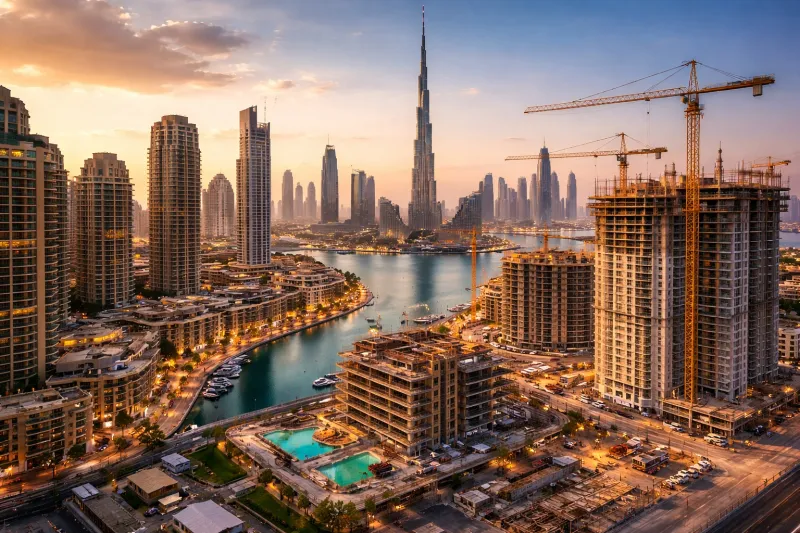
Developers have responded with an uptick in new launches to capture the heightened demand, but the operational pipeline and construction timelines mean that delivered supply will lag current sales. In some submarkets the backlog of sold-but-not-delivered units is substantial, which could limit immediate pressure on secondary prices as inventory is gradually released in the coming 12–24 months.
Regulatory tailwinds and investor-friendly policies
Ongoing investor-friendly reforms—such as residency-linked incentives and streamlined ownership procedures—have supported overseas capital flows. Government and free-zone initiatives to enhance transparency and strengthen title registration have also improved confidence. These policy measures, while not new, continue to underpin demand as buyers factor in the long-term stability and ease of doing business.
How developers are adapting their strategies
Developers have pivoted to capture rapid demand by offering extended payment plans, launch-only pricing tiers and stronger marketing partnerships. There is also a noticeable emphasis on amenity-led placemaking—pools, co-working spaces and wellness features—to differentiate projects. Some groups are accelerating delivery schedules and revising unit mixes to target high-demand segments more effectively.
Financing environment and mortgage trends
Mortgage availability has remained a key enabler for domestic buyers, with competitive lending packages from both local and international banks. Lenders are balancing growth with prudent underwriting, maintaining reasonable loan-to-value ratios while offering products tailored to expatriates and first-time buyers. For investors, access to project financing and developer-backed plans has reduced the immediate need for large equity outlays.
Impact on the rental market and investor yields
Stronger sales activity has coincided with rising rental demand, supported by ongoing population inflows, business expansion and tourism recovery. Landlords in high-demand neighborhoods have achieved meaningful rent increases, helping to preserve attractive gross yields for buy-to-let investors. Short-term rental platforms also continue to deliver premium income for units in tourist-facing locations.
Outlook and key risks to monitor
Looking ahead, momentum could persist if demand remains broad-based and delivery schedules remain controlled, but several risks warrant attention. Global interest rate shifts could change borrowing costs and investor calculus, while localized oversupply in certain segments could create price pressure. Construction bottlenecks, labor availability and geopolitical volatility are additional variables that could influence market direction over the medium term.
Focused on delivering informative, accessible content