CBRE: UAE real estate growth continues even as oil sector softens
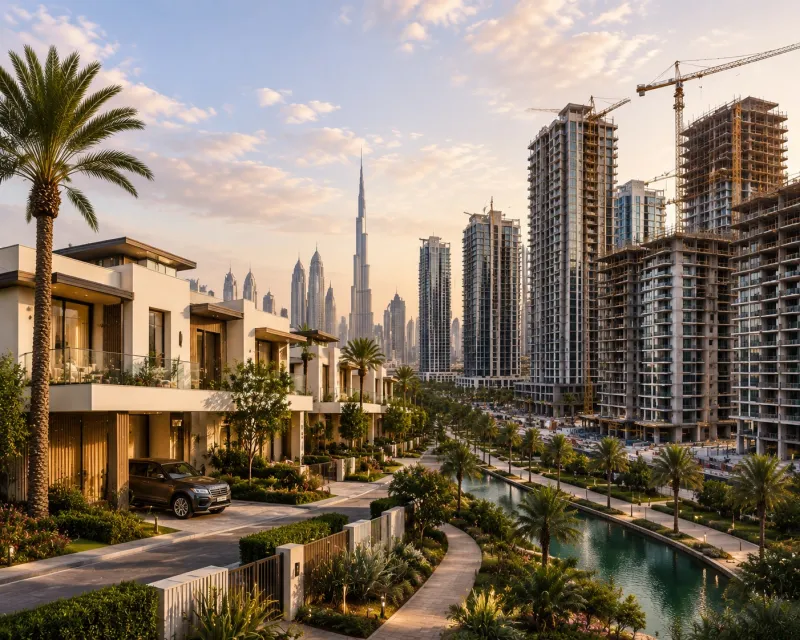
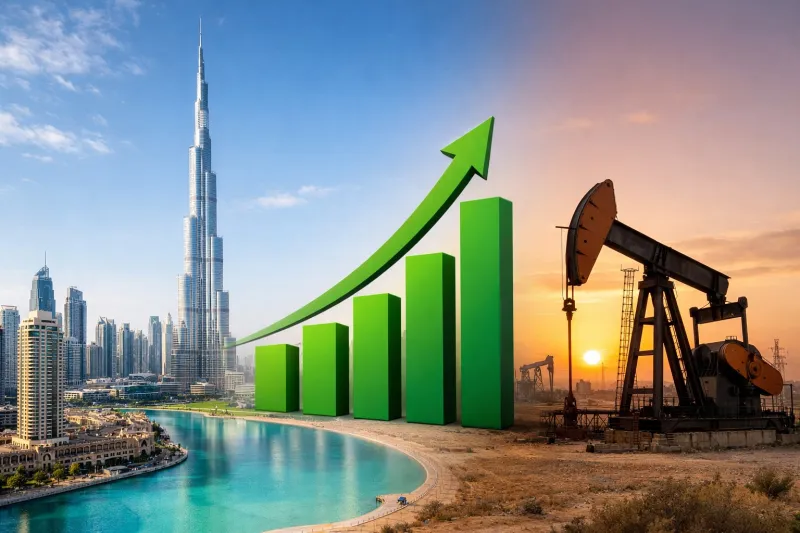
The latest CBRE analysis shows that the UAE's real estate market is maintaining momentum despite a softer oil sector, driven by diversified economic activity, structural reforms and sustained investor interest. This article explores the main takeaways from CBRE's findings and what they mean for different property segments across the Emirates.
- CBRE report overview
- Macroeconomic backdrop
- Residential sector resilience
- Office market dynamics
- Industrial and logistics expansion
- Retail and hospitality recovery
- Foreign direct investment and capital flows
- Government policy and regulatory support
- Sustainability and ESG trends
- Near-term risks and outlook
CBRE report overview
CBRE frames the current UAE property cycle as one of measured growth rather than a simple commodity-driven boom. The report synthesizes transaction data, leasing trends and on-the-ground market intelligence to argue that real estate demand is increasingly supported by non-oil economic drivers, including tourism, logistics, financial services and technology hubs.
Macroeconomic backdrop
While oil prices and related fiscal flows have softened relative to previous peaks, the UAE's broader macroeconomic indicators remain resilient. CBRE highlights steady non-oil GDP expansion, continued public and private investment in infrastructure and a labour market that is normalizing post-pandemic — factors that underpin housing and commercial demand even when hydrocarbon revenues moderate.
Residential sector resilience
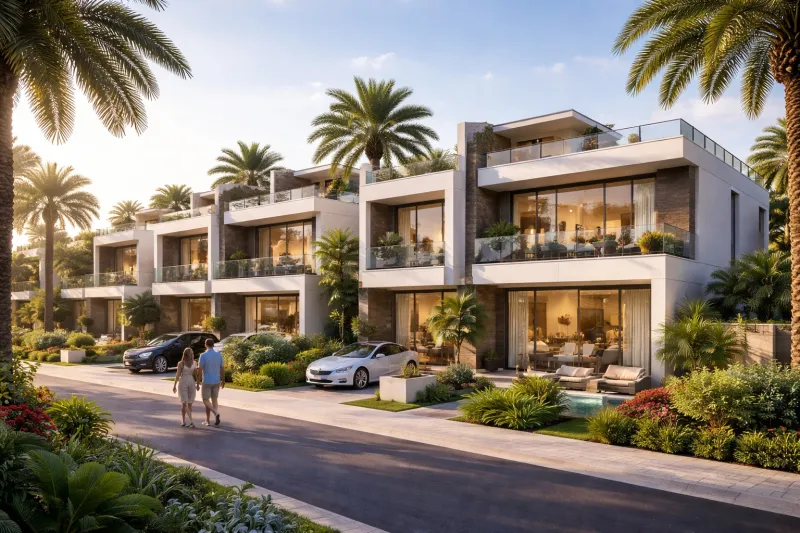
The residential market is a clear beneficiary of the diversification story. CBRE notes sustained buyer interest across mid- to high-end segments and improving rental dynamics in major emirates. Contributing factors include:
- Population growth from expatriate inflows and redistribution of workforce.
- Policy measures such as long-term visas and stimulus for first-time buyers.
- Product differentiation with developers offering flexible payment plans and amenity-rich communities.
Office market dynamics
CBRE's analysis finds office markets evolving rather than contracting. Demand is concentrated in well-located, grade-A buildings and flexible workspace solutions as companies rebalance hybrid work policies. The report points to vacancy compression in key business districts, selective rental growth, and a bifurcation between older, commodity office stock and modern, sustainable developments.
Industrial and logistics expansion
Logistics and industrial real estate are standout performers in the CBRE findings. Growth in e-commerce, regional distribution strategies and increased intra-GCC trade have driven leasing momentum for warehouses and last-mile facilities. Investors are particularly focused on logistics parks near ports, airports and key freeway networks that offer scalability and strong yield prospects.
Retail and hospitality recovery
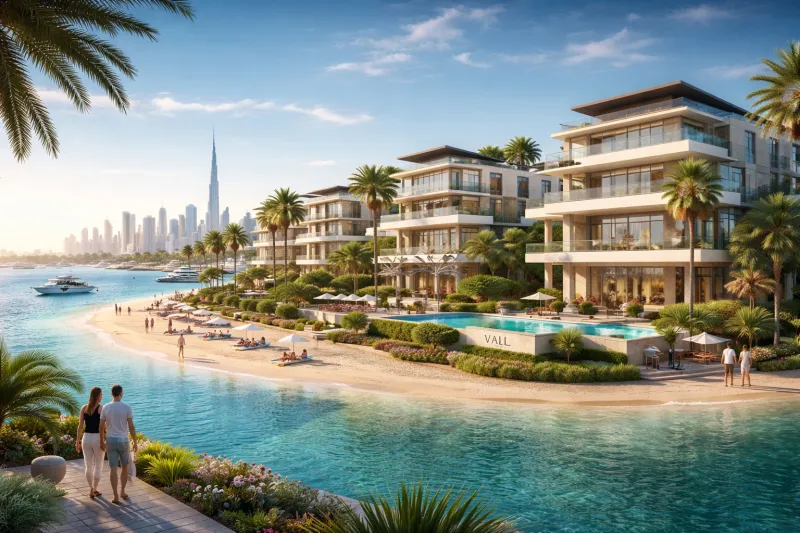
The hospitality and retail sectors are showing robust cyclical recovery supported by inbound tourism, events and domestic spending. CBRE highlights:
- Improved occupancy and average daily rates for hotels in major cities.
- Retail leasing driven by experiential concepts and F&B growth.
- Continued investor appetite for well-located retail assets tied to tourism corridors.
Foreign direct investment and capital flows
CBRE observes sustained foreign capital inflows into UAE real estate, with institutional and private wealth investors attracted by transparency improvements, relatively higher yields compared with some global gateway cities, and a permissive ownership regime in many zones. Cross-border investors are increasingly selective, preferring assets with strong cash flow visibility and asset management upside.
Government policy and regulatory support
Policy reforms are central to CBRE's thesis that the market can decouple from oil volatility. Initiatives such as visa reforms, business-friendly licensing, free zone expansion and targeted infrastructure spending create a predictable environment for developers and occupiers. The report also notes active municipal planning that seeks to balance new supply with demand projections.
Sustainability and ESG trends
ESG considerations are increasingly embedded in investment and leasing decisions. CBRE documents rising demand for energy-efficient buildings, green certifications and climate-resilient design. Landlords that retrofit assets to meet sustainability standards often achieve stronger tenant retention and can command premium rents, making ESG a financial as well as ethical priority.
Near-term risks and outlook
Despite broad optimism, CBRE flags several risks that could temper performance: tighter global financing conditions, localized oversupply in certain micro-markets, and geopolitical shocks that affect travel and trade. The firm recommends a cautious, data-driven approach for investors — focusing on locations, asset quality and income durability — while monitoring monetary policy and regional demand signals closely.
Focused on delivering informative, accessible content