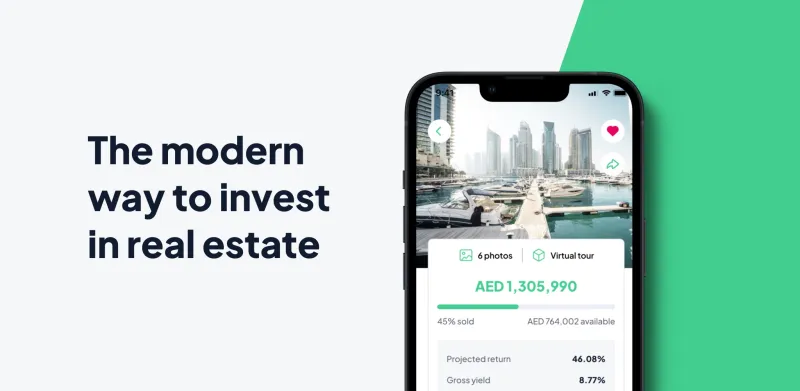
Smart Property Investment Tips for 2026
The UAE remains one of the most resilient and attractive property investment destinations globally. As 2026 unfolds, investors are navigating a market shaped by population growth, regulatory stability, infrastructure expansion, and evolving buyer demand. Whether you are a first-time investor or expanding an existing portfolio, understanding current market fundamentals is essential.
Below are practical, fact-based tips to help investors make informed property decisions in the UAE this year.
1. Focus on Areas with Proven Demand Drivers
In 2026, successful property investments in the UAE are closely tied to employment hubs, infrastructure projects, and lifestyle communities. Locations near business districts, transport corridors, international schools, and retail hubs continue to attract both end-users and tenants.
Established areas such as Dubai Marina, Downtown Dubai, Yas Island, Saadiyat Island, and emerging master-planned communities benefit from consistent demand due to tourism, corporate activity, and long-term urban planning. Investors should prioritise areas with ongoing government or private sector development rather than speculative locations with limited amenities.
2. Understand Freehold vs. Long-Term Usufruct Rights
The UAE offers different ownership structures depending on the emirate and location. Freehold ownership, available in designated zones, grants full ownership rights and remains the preferred option for long-term capital appreciation and resale flexibility.
In some areas, usufruct or long-term lease arrangements (often 50–99 years) are available and can still be attractive if priced correctly. In 2026, investors are advised to fully review title deeds, ownership rights, and resale conditions before committing, particularly in mixed-use or older developments.
3. Evaluate Rental Yields, Not Just Capital Appreciation
While price growth has been a major focus in recent years, 2026 investors are increasingly prioritising rental income stability. The UAE’s large expatriate population, short-term visitors, and business travellers continue to support strong rental demand.
Key considerations include:
- Average rental yields in the specific community
- Tenant profiles (long-term residents vs. short-term rentals)
- Service charges and maintenance costs
- Vacancy rates in comparable properties
Properties close to transport links and employment zones typically offer more consistent occupancy.
4. Take Advantage of Residency-Linked Investment Benefits
Property investment in the UAE remains closely tied to long-term residency incentives. Eligible real estate investments can support renewable residency options, including long-term visas, subject to prevailing regulations and thresholds.
In 2026, these residency-linked benefits continue to appeal to international investors seeking lifestyle security, business flexibility, and regional access. Investors should always verify eligibility requirements with official authorities or licensed advisors, as criteria may evolve.
5. Prioritise Developer Reputation and Escrow Protection
Off-plan investments remain popular due to flexible payment plans and lower entry prices. However, risk management is essential.
Investors should:
- Choose RERA-registered developers (or equivalent authorities in other emirates)
- Confirm that escrow accounts are in place
- Review past delivery timelines and completed projects
- Understand handover schedules and penalty clauses
In 2026, regulatory oversight continues to protect buyers, but due diligence remains a critical step.
6. Factor in Interest Rates and Financing Options
Mortgage availability in the UAE remains competitive, with both fixed and variable-rate products offered by local and international banks. While interest rate conditions fluctuate globally, investors in 2026 should stress-test affordability against potential rate changes and ensure rental income can comfortably cover repayments.
Cash buyers may gain stronger negotiating power, while financed investors should compare loan-to-value ratios, fees, and early settlement conditions.
7. Consider Long-Term Urban and Sustainability Trends
Sustainability and smart-city planning are no longer optional considerations. Communities designed with energy efficiency, green spaces, walkability, and digital infrastructure are increasingly favoured by tenants and buyers alike.
Government-backed sustainability initiatives and large-scale urban master plans across the UAE suggest that properties aligned with these goals may enjoy stronger long-term relevance and resale appeal.
Property investment in the UAE in 2026 rewards investors who combine market awareness with disciplined research. By focusing on demand-driven locations, understanding legal structures, prioritising rental fundamentals, and aligning with long-term urban trends, investors can position themselves for sustainable returns in one of the region’s most dynamic real estate markets.
As always, professional legal and financial advice is recommended before making any investment decision.
Focused on delivering informative, accessible content