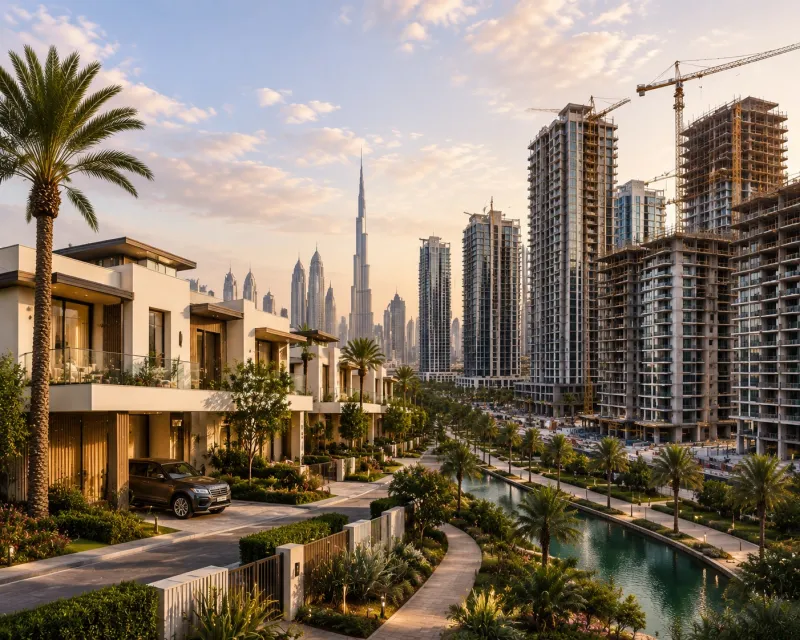
The United Arab Emirates property market entered 2026 with a distinct bifurcation: sustained demand and price resilience for villas and townhouses, while the apartment segment faces a wave of new supply that is reshaping pricing dynamics and developer strategies. This article examines the factors behind the divergence, regional differences, and what buyers, renters and investors should watch as the market adapts.
Recent revisions to Dubai's property-linked residency rules have shifted buyer interest toward more affordable housing segments. By easing eligibility and expanding visa pathways tied to property ownership, the city has created new incentives for middle-income expatriates and investors seeking residency without committing to high-end purchases. This article examines how the policy changes are reshaping demand, developer strategies and the wider housing market.

The UAE property market is showing clear signs of recovery as pricing expectations between buyers and sellers converge. After a period of divergence that stalled transactions, more realistic seller pricing, stronger buyer confidence and active lender support are combining to restart activity across Dubai, Abu Dhabi and emerging emirate micro-markets.

Dubai Holding has announced a new Golden Visa support initiative designed to attract and retain international property investors by simplifying residency pathways and integrating bespoke services across its real estate portfolio. The program aims to combine visa facilitation with investment incentives and after-sales assistance to make Dubai a more competitive destination for cross-border capital.

In recent years British purchasers have emerged as the single largest group of foreign property investors in Dubai, reshaping demand at the high end of the market. This shift reflects a mix of economic, regulatory and lifestyle drivers that are increasing appetite for luxury residences, branded developments and off-plan investment among UK buyers.

The UAE housing market is shifting noticeably toward buyers as a wave of new supply across key emirates meets tempered demand. Developers are responding with enhanced incentives, more flexible payment plans and sharper pricing to attract both end-users and investors. This article explores the drivers of the shift, the types of incentives on offer, regional differences, and what buyers and investors should watch for.
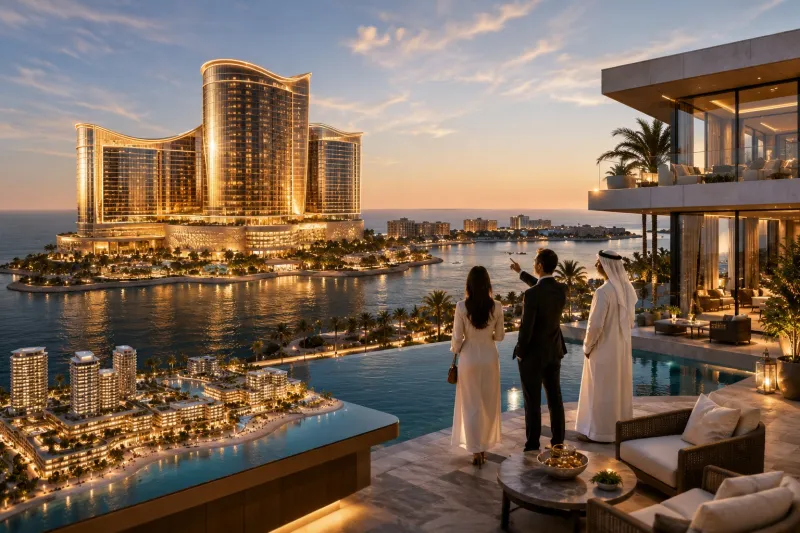

Abu Dhabi's real estate sector is experiencing renewed momentum as international buyers and institutional investors increasingly focus on waterfront enclaves and high-end residential schemes. Fueled by a mix of lifestyle demand, strategic policy changes and a diversified economic outlook, the capital is positioning itself as a compelling alternative to other global gateway cities for capital allocation into residential property.