Lulu Island reborn: Abu Dhabi's luxury redevelopment transforms coastal skyline
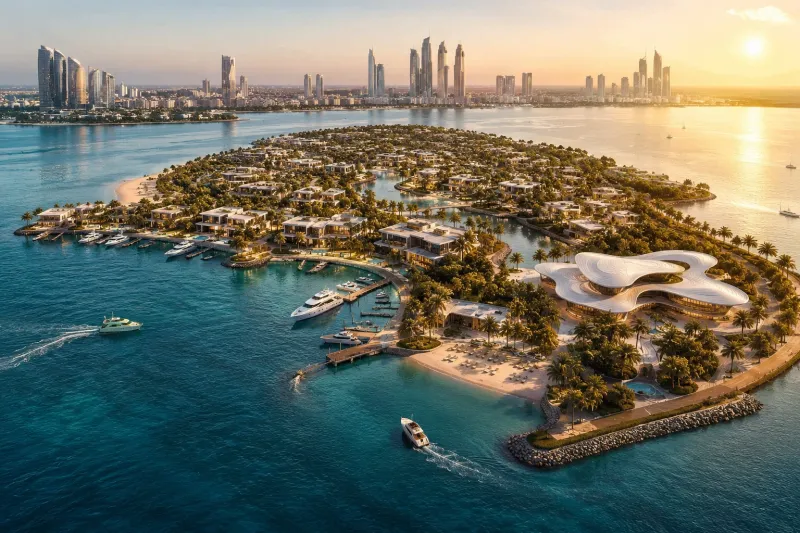
Abu Dhabi's Lulu Island is set to undergo a major redevelopment that will reimagine the low-lying landmass as a high-end, mixed-use waterfront destination. The ambitious project aims to combine luxury hospitality, branded residences, public parks and cultural venues to attract tourists, residents and investors to a revitalized coastal precinct.
- Project overview
- Master plan and design vision
- Developers and investment structure
- Luxury hospitality and residential components
- Public spaces and environmental ambition
- Transport links and connectivity
- Economic impact and job creation
- Cultural and leisure programming
- Timeline, approvals and phasing
- Market positioning and potential risks
Project overview
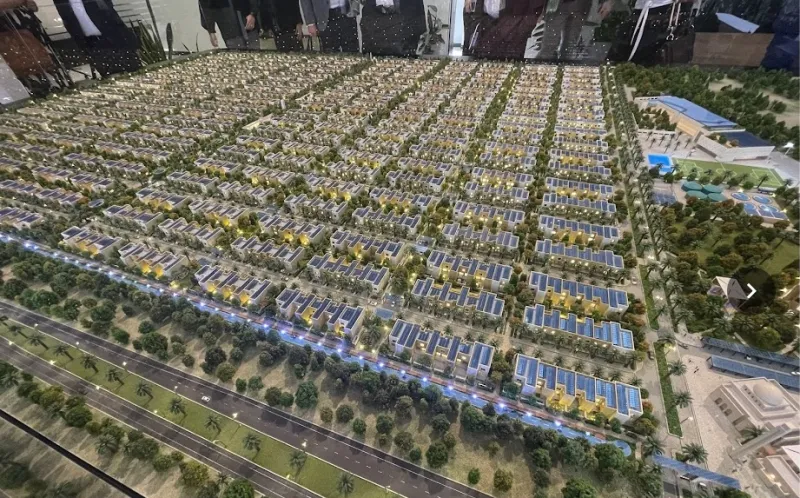
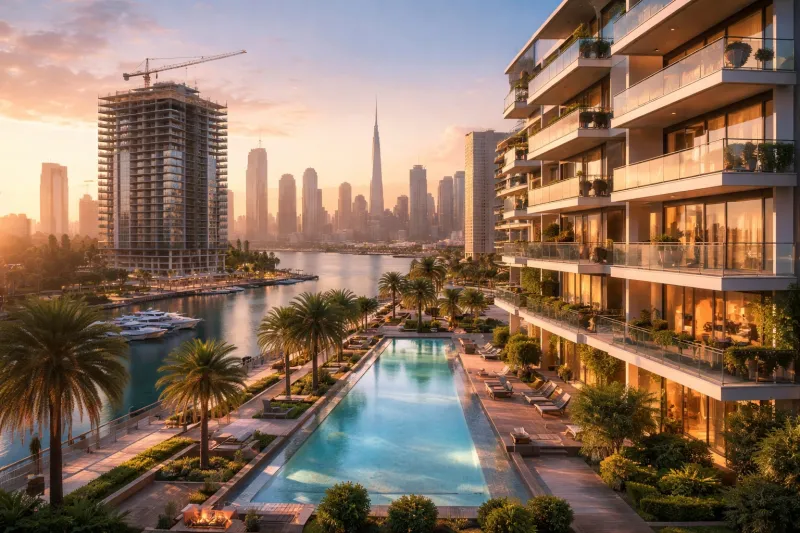
The master redevelopment of Lulu Island is positioned as a transformational scheme that will replace the island's limited infrastructure with a comprehensive luxury ecosystem. Plans describe a mix of five-star hotels, private homes, marinas and retail strips set around interconnected waterfront promenades. Organizers say the intent is to create a year-round destination that complements Abu Dhabi's existing tourism assets while introducing a fresh coastal lifestyle offering.
Master plan and design vision
Design concepts for the island emphasize waterfront activation, iconic architecture and integrated green corridors. Architects are reportedly focusing on low-rise clusters and sculptural landmarks to preserve sightlines and create a distinctive skyline. The scheme also highlights public realm improvements, including promenades, plazas and beachfront access intended to make the island accessible and attractive to both visitors and residents.
Developers and investment structure
The redevelopment is being pursued through a mix of government support and private capital, with a consortium of local and international developers involved in different phases. Stakeholders have signaled interest from hospitality groups, real estate investors and infrastructure funds. This public-private partnership approach is framed as necessary to mobilize the substantial financing and technical expertise required for a project of this scale.
Luxury hospitality and residential components
Central to the plan are luxury hotels and branded residences that target high-net-worth visitors and long-stay residents. Proposed offerings include boutique resorts, ultra-luxury villas with private berths and serviced apartments tied to international hospitality brands. Developers are pitching an amenity-rich lifestyle with private beach clubs, wellness centers and waterfront dining that cater to premium market segments.
Public spaces and environmental ambition
Planners emphasize that public access and environmental stewardship will be core components of the island's identity. Schemes include restored mangroves, landscaped parks and extended sandy beaches to increase biodiversity and recreational opportunities. The redevelopment also mentions sustainable infrastructure measures such as renewable energy integration, water-efficient landscaping and advanced wastewater recycling to reduce ecological impact.
Transport links and connectivity
Effective connectivity to the Abu Dhabi mainland is a priority, with early proposals calling for enhanced road links, pedestrian bridges and maritime transport. Developers have discussed electric shuttle ferries, dedicated cycle routes and smart mobility hubs to reduce car dependency on the island. Seamless integration with Abu Dhabi's existing transport network is seen as essential to ensure both convenience for visitors and resilience during peak seasons.
Economic impact and job creation
Proponents expect the redevelopment to generate substantial economic benefits through construction activity, tourism spending and long-term hospitality employment. The project is projected to create thousands of construction jobs during peak building years and a sustained number of operational roles in F&B, hotel management and property services. Officials argue that the uplift in visitor numbers and real estate values will contribute to broader diversification goals for Abu Dhabi's economy.
Cultural and leisure programming
The island's planners promise a cultural dimension to complement its luxury positioning, with space earmarked for galleries, performance venues and community events. Programming ideas include outdoor festivals, contemporary art exhibitions and waterfront markets designed to attract both residents and tourists. The inclusion of cultural infrastructure aims to broaden the island’s appeal beyond high-end retail and hospitality.
Timeline, approvals and phasing
The redevelopment is expected to proceed in multiple phases to manage costs and environmental constraints, beginning with infrastructure and select hospitality parcels. Authorities are pursuing necessary regulatory approvals, environmental impact assessments and coastal protection permits before large-scale construction kicks off. While ambitious timelines have been discussed, stakeholders note that sequencing will depend on financing, permitting and market conditions.
Market positioning and potential risks
Positioned as a premium alternative to other UAE waterfront destinations, Lulu Island will compete for high-end tourists, second-home buyers and global hospitality brands. However, the scheme faces risks including regional competition, shifts in luxury travel demand and physical challenges such as sea-level rise and coastal erosion. Developers say mitigation strategies from climate-resilient design to diversified programming will be built into the plan to address these uncertainties.
Focused on delivering informative, accessible content