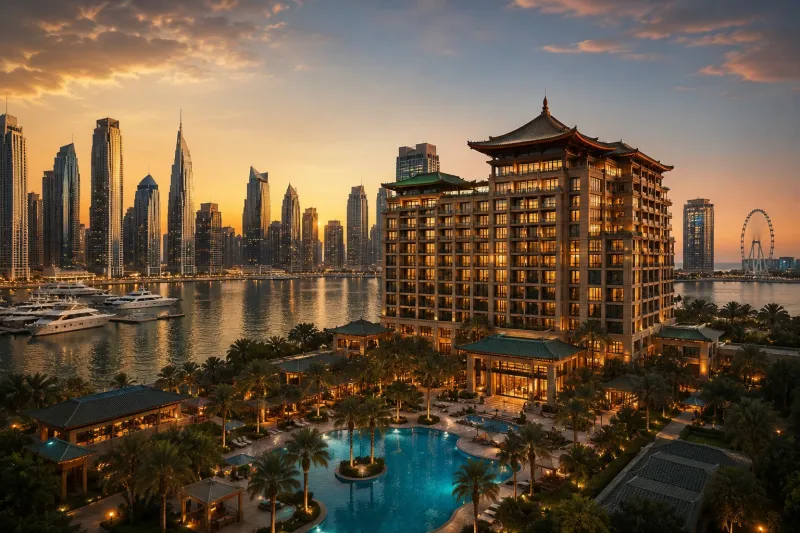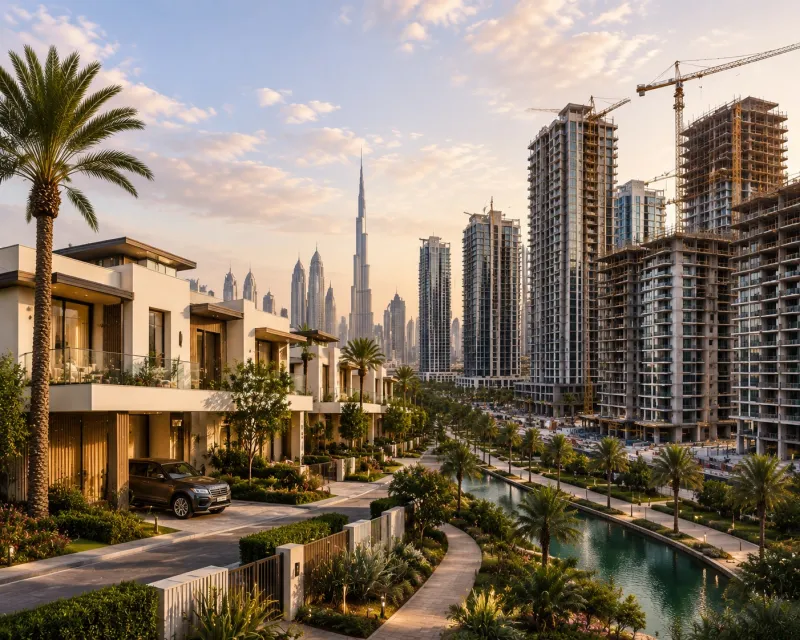
Villas and townhouses steal the spotlight as apartment supply explodes in the UAE in 2026
The United Arab Emirates property market entered 2026 with a distinct bifurcation: sustained demand and price resilience for villas and townhouses, while the apartment segment faces a wave of new supply that is reshaping pricing dynamics and developer strategies. This article examines the factors behind the divergence, regional differences, and what buyers, renters and investors should watch as the market adapts.
- Market overview
- Villas and townhouses outperform apartments
- Drivers behind buyer preference
- Apartment supply surge and its composition
- Impact on rents and yields
- Developer strategies and project repricing
- Buyer and investor profiles
- Regional differences across the Emirates
- Policy, financing and regulatory influences
- Outlook and key risks for 2026 and beyond
Market overview
In 2026, the UAE property market shows a two-speed pattern. Detached housing villas and townhouses have seen continued interest from both end-users and high-net-worth investors seeking space and privacy post-pandemic, while the apartment pipeline has expanded rapidly, particularly in Dubai and Abu Dhabi, creating pressure on occupancy and rent growth in that segment.
Villas and townhouses outperform apartments
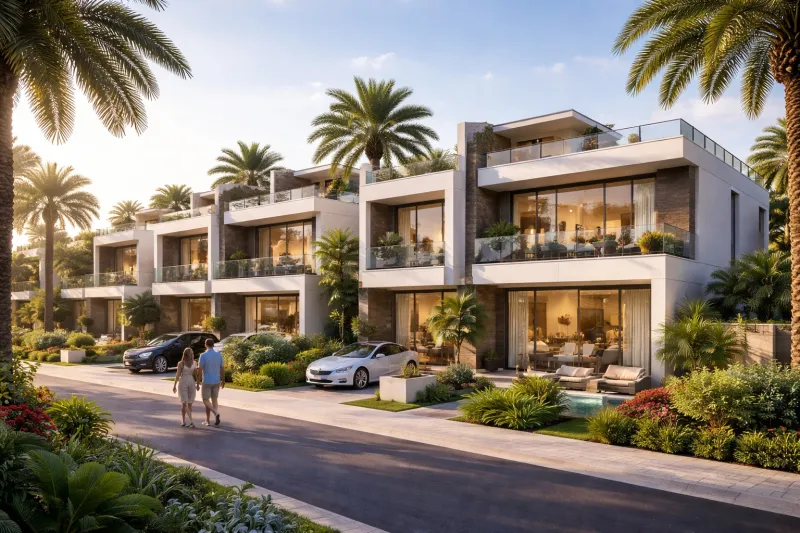
Price and transaction data from early 2026 indicate that villas and townhouses are outperforming apartments in many of the UAE's key residential hubs. Premium suburban communities recorded stronger capital appreciation and quicker sales cycles as families and buyers prioritized larger floorplates, private outdoor space and gated-community amenities.
Drivers behind buyer preference
Several converging factors explain the shift toward villas and townhouses:
- Lifestyle changes: Remote and hybrid work patterns increased demand for home offices and outdoor space.
- Demographic trends: A rise in family-oriented expats and affluent buyers seeking long-term homes.
- Perceived value: Villas often provide higher tangible square metre value and potential for rental premium.
Apartment supply surge and its composition
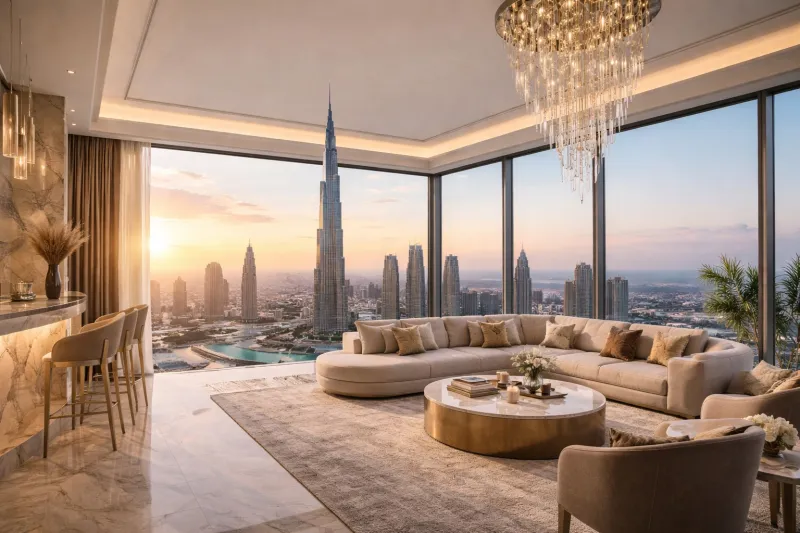
The apartment surge in 2026 is notable for both volume and variety. Large-scale masterplans and high-density towers delivered in Dubai, Abu Dhabi and Sharjah have introduced tens of thousands of units, many targeted at mid-market and affordable luxury brackets. A significant portion of this supply comprises studio and one-bedroom units aimed at single professionals and investors seeking high-yield opportunities.
Impact on rents and yields
As new apartment stock came online, rental growth cooled in saturated micro-markets. Landlords of smaller units faced higher vacancy risk and were often compelled to offer incentives. By contrast, villas and townhouses maintained stronger rental resilience and in some locations even saw upward pressure on rents, supporting more stable yields for owners of low- to mid-density properties.
Developer strategies and project repricing
Developers responded to the shifting demand in several ways. Some pivoted by accelerating villa and townhouse launches or by reconfiguring mixed-use sites to include low-rise housing. Others introduced flexible payment plans, enhanced amenities and targeted marketing to international investors to reduce absorption time for apartment projects. In select cases, developers adjusted pricing and offered post-handover packages to remain competitive.
Buyer and investor profiles
The buyer mix in 2026 reflects clear segmentation. End-user buyers, families, and long-term residents favored villas and townhouses for lifestyle reasons and capital preservation. Investor demand for apartments persisted but became more discerning, focusing on prime locations, project reputations, and clear rental demand pipelines. International buyers from Europe, South Asia and parts of Africa continued to participate, particularly in villa and townhouse transactions.
Regional differences across the Emirates
Not all emirates experienced the same dynamics. Dubai's high-rise inventory growth was the most visible, but demand for villas remained strong in suburban communities such as Dubai Hills and Arabian Ranches. Abu Dhabi saw balanced demand across low-rise compounds and select apartment towers near business districts. Sharjah and Ras Al Khaimah registered pockets of apartment oversupply relative to local demand, prompting more aggressive discounting.
Policy, financing and regulatory influences
Government policy and financing conditions shaped market outcomes. Continued visa reforms and investor-friendly regulations supported cross-border purchases, especially for higher-value properties. Lenders remained cautious on high-loan-to-value mortgages for speculative apartment investments, which tempered some speculative buying and pushed investors toward long-term, income-generating villa assets.
Outlook and key risks for 2026 and beyond
Looking ahead, the market will hinge on absorption rates, interest rate movements and macroeconomic stability. Key risks include potential oversupply in specific apartment micro-markets, slower-than-expected job growth affecting rental demand, and volatility in global capital flows. Conversely, sustained population growth, tourism recovery and targeted infrastructure projects could support both villa and townhouse demand while gradually rebalancing apartment inventories.
Focused on delivering informative, accessible content