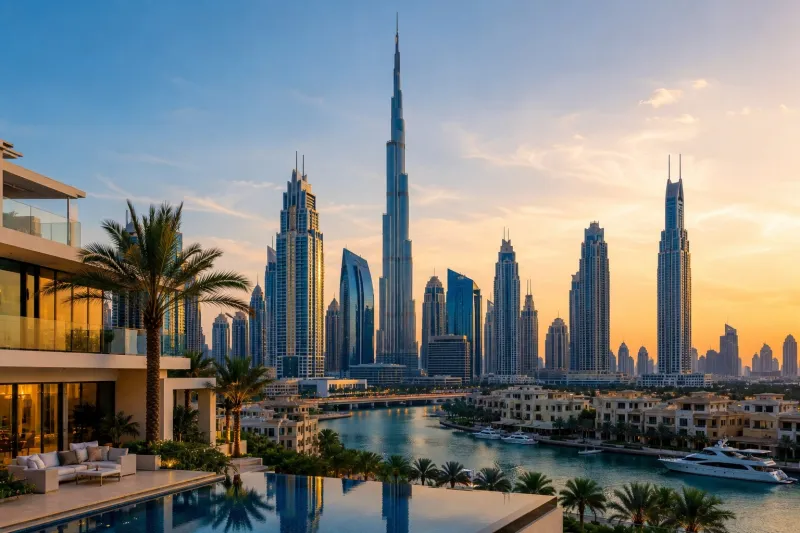
Dubai's property market continues to demonstrate remarkable resilience despite heightened geopolitical tensions across the Middle East, with robust investor demand, attractive rental yields, and sustained interest in prime residential developments supporting market stability. Industry analysts say the emirate remains one of the world's most desirable real estate investment destinations, underpinned by its strong economic fundamentals and investor-friendly policies.
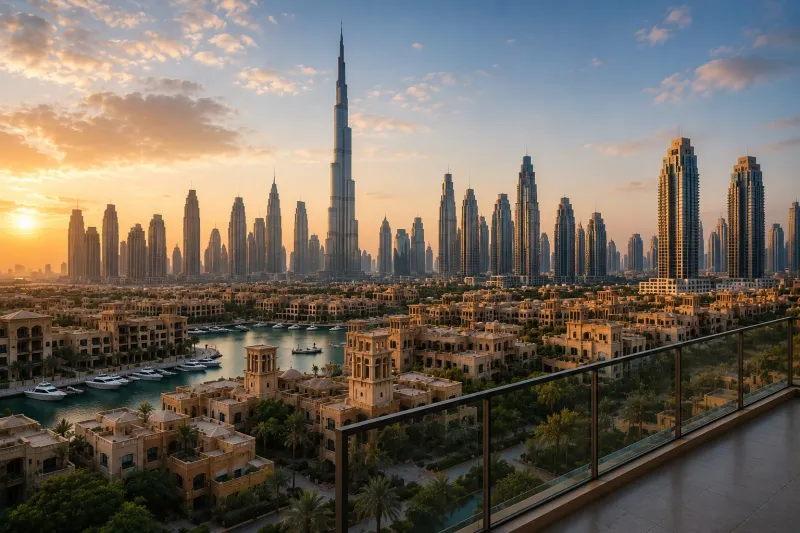
The Dubai residential property market has recorded a 16% decline in sales volumes year-on-year, signaling a shift from the rapid post-pandemic boom to a more measured, cooling phase. While prices remain elevated in many prime locations, softer demand, rising borrowing costs and an increasing pipeline of supply are reshaping transaction dynamics across the emirate.

The Dubai real estate market has entered a distinct new phase in which investors are reallocating capital toward premium, well-located and branded assets. After several years of broad recovery driven by policy support and rising demand, the shift now favors high-quality residential, waterfront and trophy commercial properties that promise capital appreciation, stable rental income and lower downside risk. This article examines the forces behind the pivot, performance trends, supply dynamics, regulatory tailwinds and practical strategies for investors navigating the evolving landscape.
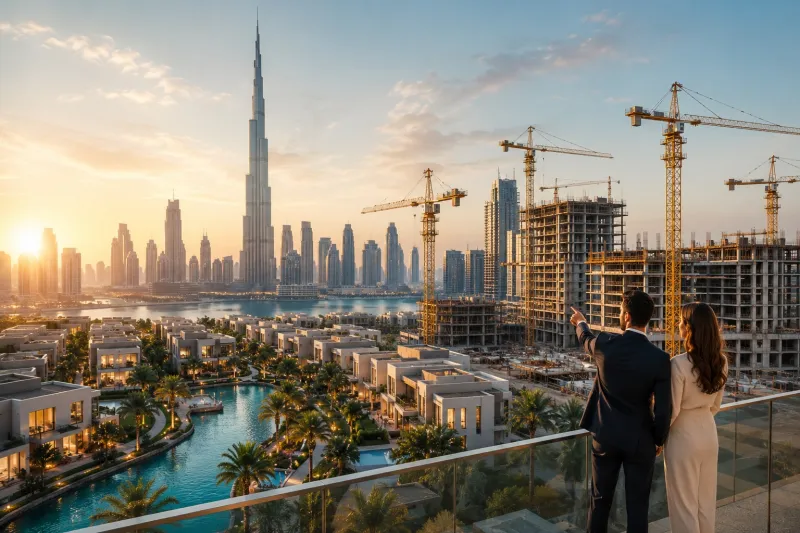
In 2026 Dubai's off-plan market has reasserted itself as a focal point for local and international capital, with developers launching ambitious masterplans and buyers responding to a mix of affordability, flexible payment structures and long-term capital-growth expectations. This article examines the drivers behind the renewed interest, how new communities are shaping demand, and what investors should consider when evaluating off-plan opportunities.
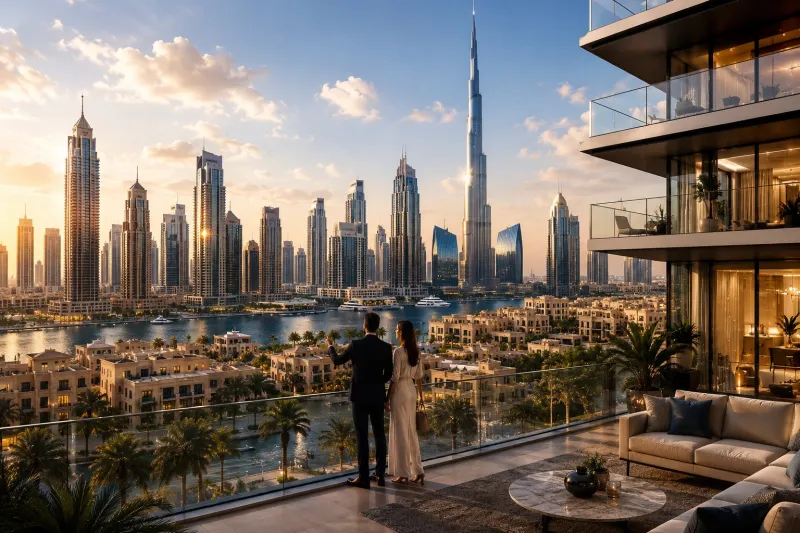
The Dubai property market recorded a total transaction value of Aed 221.3 billion in H1 2026, a figure that market participants say reflects renewed investor confidence and resilient demand across multiple segments. This article examines the drivers behind the first-half surge, shifts in buyer behaviour, financing conditions, and the implications for developers and investors going into the remainder of 2026.
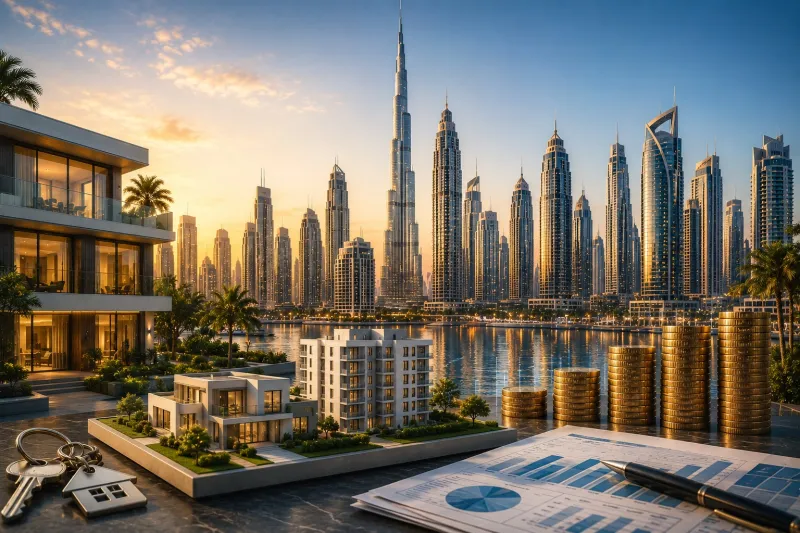
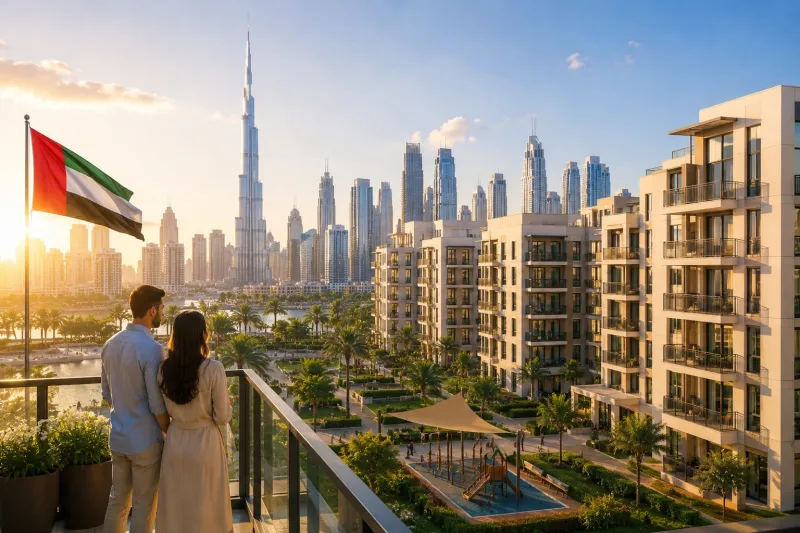
Recent revisions to Dubai's property-linked residency rules have shifted buyer interest toward more affordable housing segments. By easing eligibility and expanding visa pathways tied to property ownership, the city has created new incentives for middle-income expatriates and investors seeking residency without committing to high-end purchases. This article examines how the policy changes are reshaping demand, developer strategies and the wider housing market.

Dubai Holding has announced a new Golden Visa support initiative designed to attract and retain international property investors by simplifying residency pathways and integrating bespoke services across its real estate portfolio. The program aims to combine visa facilitation with investment incentives and after-sales assistance to make Dubai a more competitive destination for cross-border capital.
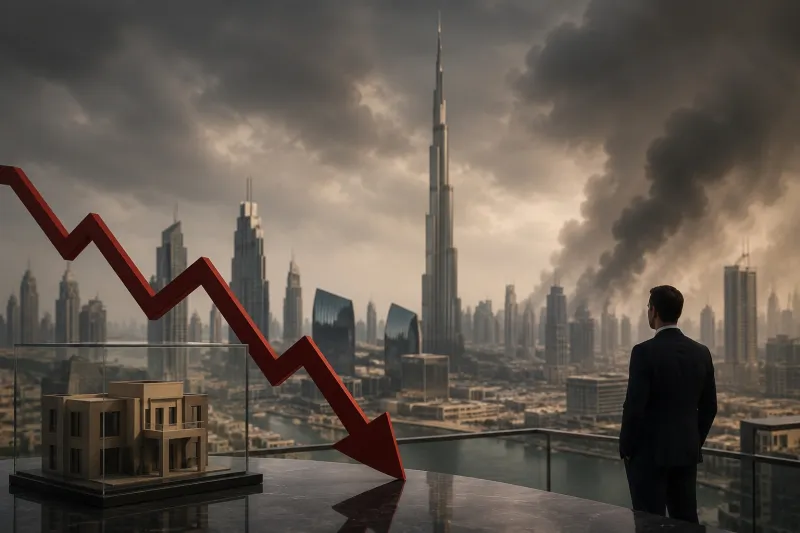
Dubai's real estate market has entered a period of pronounced slowdown as uncertainty from a nearby regional conflict filters into buyer behavior, transaction volumes and developer strategies. What had been a post-pandemic rebound driven by international demand and strong investor appetite is now showing signs of fatigue as buyers reassess risk, timelines and financing amid heightened geopolitical tension.