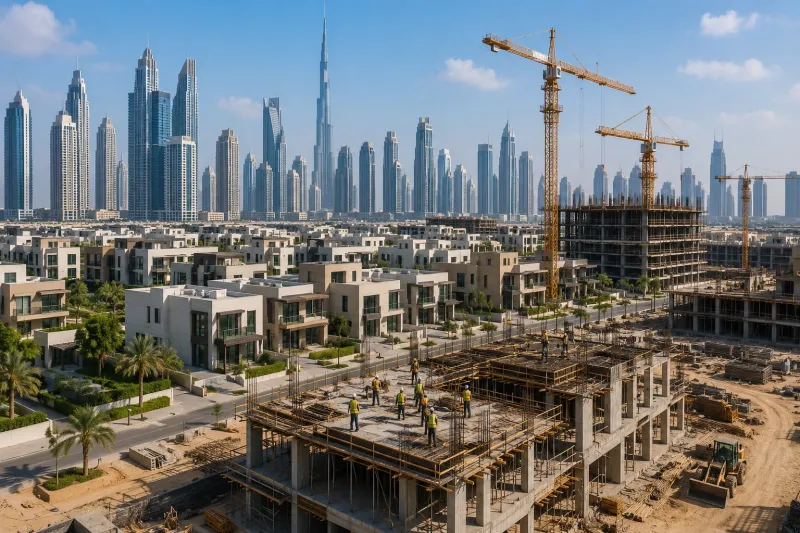
Dubai has seen a marked acceleration in real estate development, with developers and authorities delivering more than 24,000 new homes in the latest period. The surge spans apartments, townhouses and villas across established and emerging districts, reshaping supply dynamics and prompting fresh debate about demand, affordability and long-term planning.
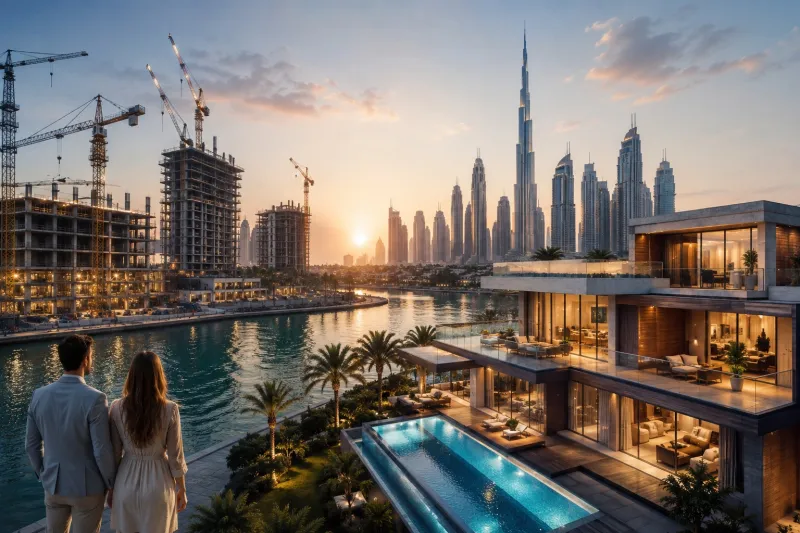
Dubai's real estate landscape continues to adapt as persistent demand for off-plan developments and high-end luxury assets reshapes supply, pricing and investor behaviour. Developers, buyers and regulators are navigating a market driven by global capital flows, innovative product offerings and targeted policy measures that sustain momentum across several segments.

Dubai’s office property market continues to demonstrate strong momentum, with rents recording significant growth during the second quarter of 2026. Office rents increased by as much as 31.5% in Q2 2026, reflecting sustained demand from businesses and limited availability across key commercial locations.
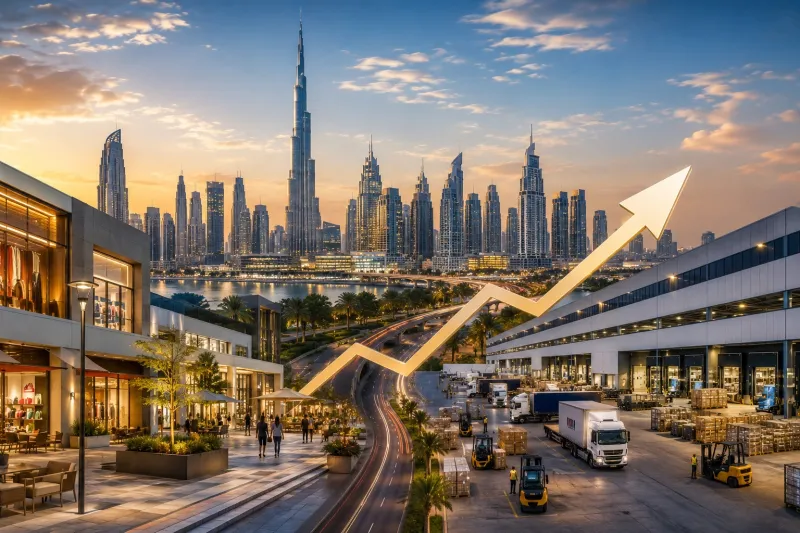
The Dubai property market is evolving from a broad-based rebound into a more selective environment, where industrial and retail segments are showing stronger momentum than some residential sub-markets. Investors, occupiers and developers are recalibrating strategies to capture growth pockets while managing risk amid changing supply dynamics and shifting demand drivers.
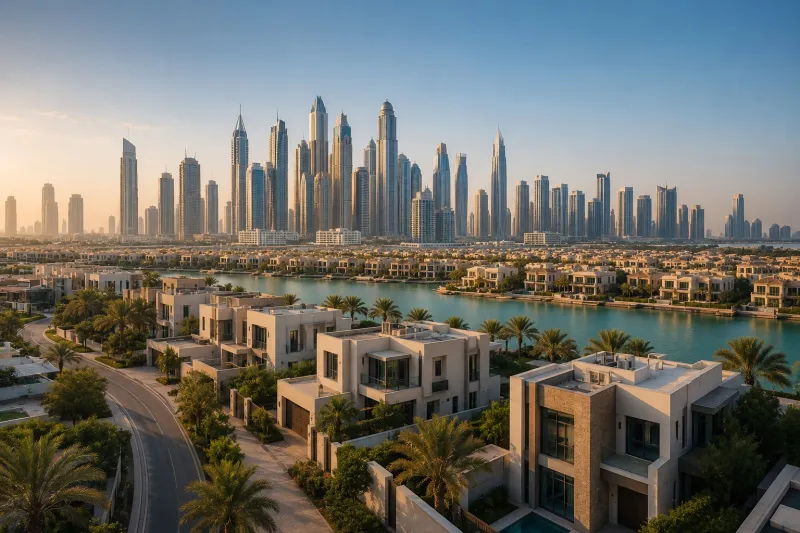
The Dubai property market is showing signs of moderation as a wave of new supply enters the market. After several years of rapid growth, both home prices and rents have started to soften in response to increased inventory, changing buyer preferences and shifting macroeconomic conditions.
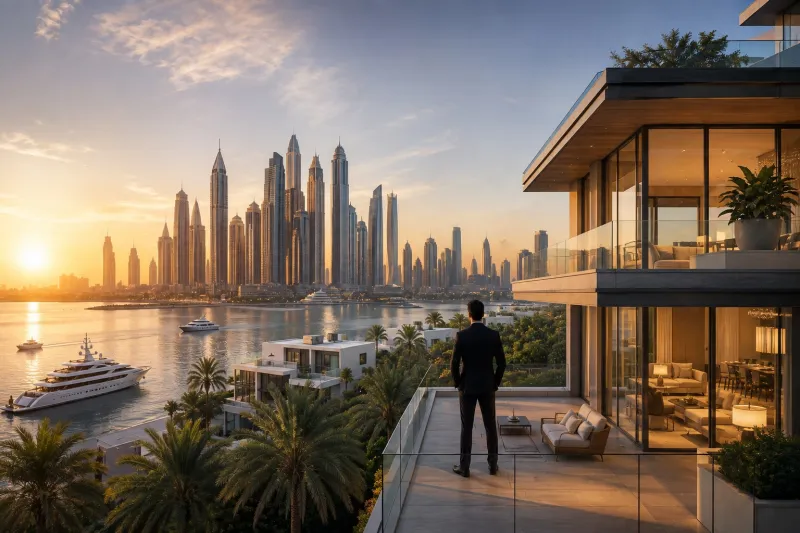
Dubai's luxury real estate segment has recorded a striking 23% year-on-year increase in sales, reflecting a broader recovery in global investor appetite for premium assets. The uptick is driven by a combination of macroeconomic stability, supportive local policy changes, and renewed interest from high-net-worth individuals across Europe, Asia and the Middle East.
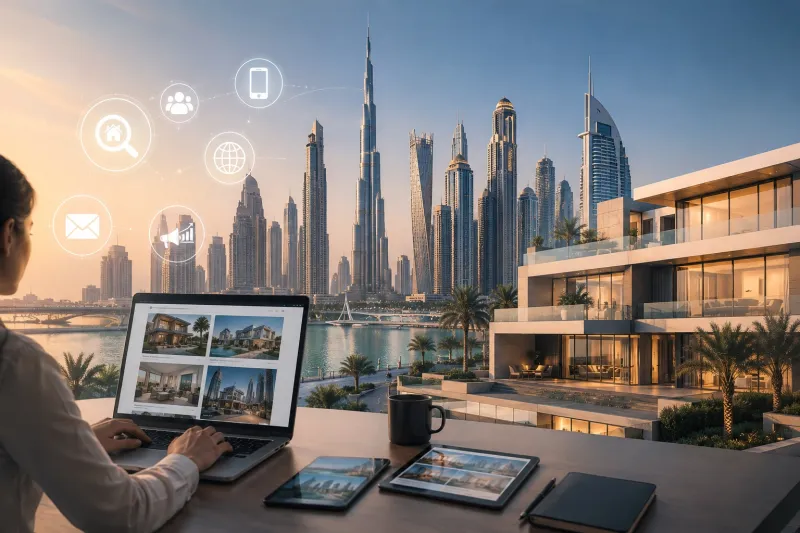
As buyer behaviour shifts decisively online, Dubai real estate agencies are reallocating marketing budgets toward digital channels. Agencies across the emirate report stronger leads from portals, social platforms and immersive content, prompting a strategic push to win visibility where buyers begin their property journeys.
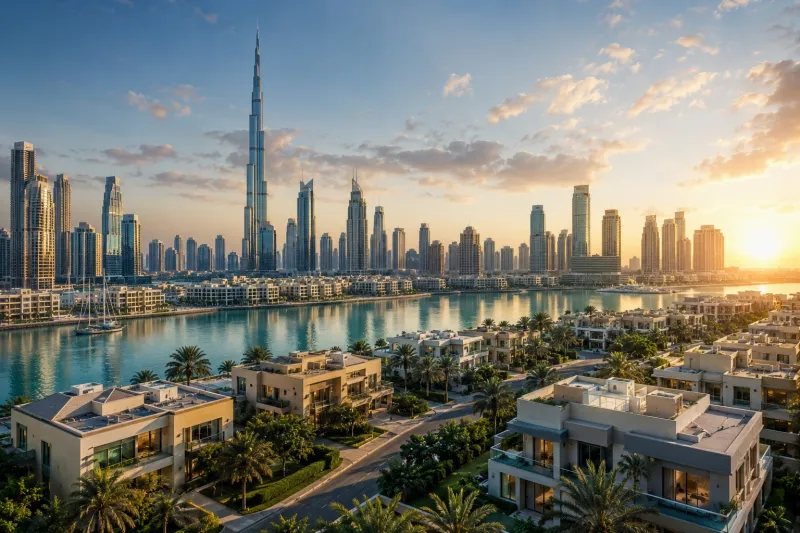
Dubai's residential property market is evolving from rapid, investment-led expansion to a more sustainable growth pattern, where steady demand continues to underpin prices. A mix of policy reforms, demographic trends and developer strategies is rebalancing supply and demand, creating a market environment that favors quality stock, long-term investors and end‑users.
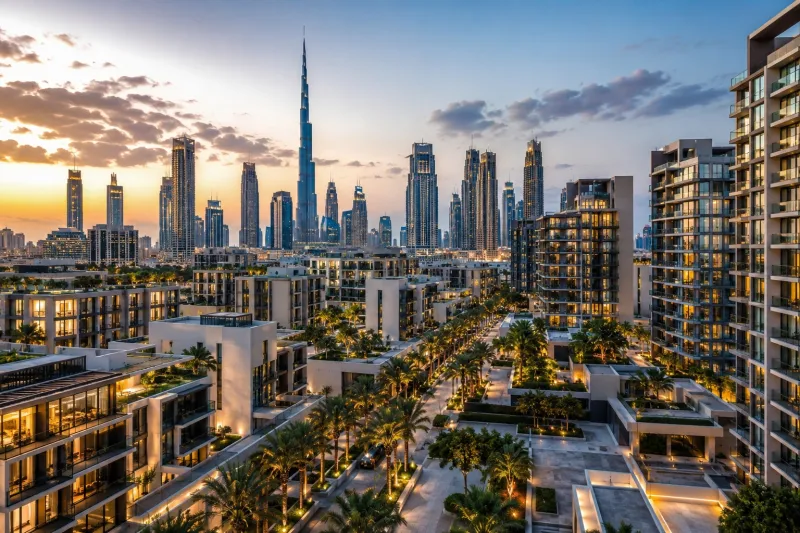
Dubai's residential property market continued to demonstrate its resilience during the first half of 2026, with 24,800 new residential units delivered across the emirate. The substantial increase in supply represents an almost 38% rise in housing inventory compared with the same period last year, reflecting developers' confidence in the market's long-term growth prospects.