
Dubai Holding has announced a new Golden Visa support initiative designed to attract and retain international property investors by simplifying residency pathways and integrating bespoke services across its real estate portfolio. The program aims to combine visa facilitation with investment incentives and after-sales assistance to make Dubai a more competitive destination for cross-border capital.
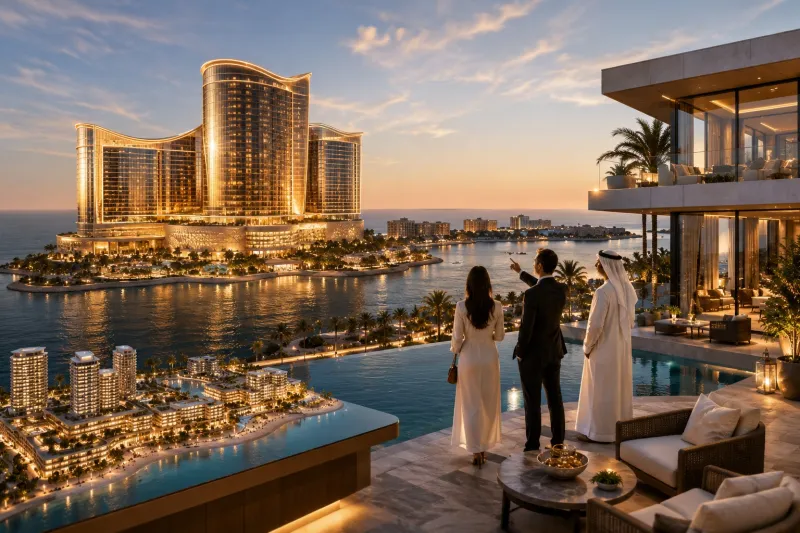

Abu Dhabi's real estate sector is experiencing renewed momentum as international buyers and institutional investors increasingly focus on waterfront enclaves and high-end residential schemes. Fueled by a mix of lifestyle demand, strategic policy changes and a diversified economic outlook, the capital is positioning itself as a compelling alternative to other global gateway cities for capital allocation into residential property.
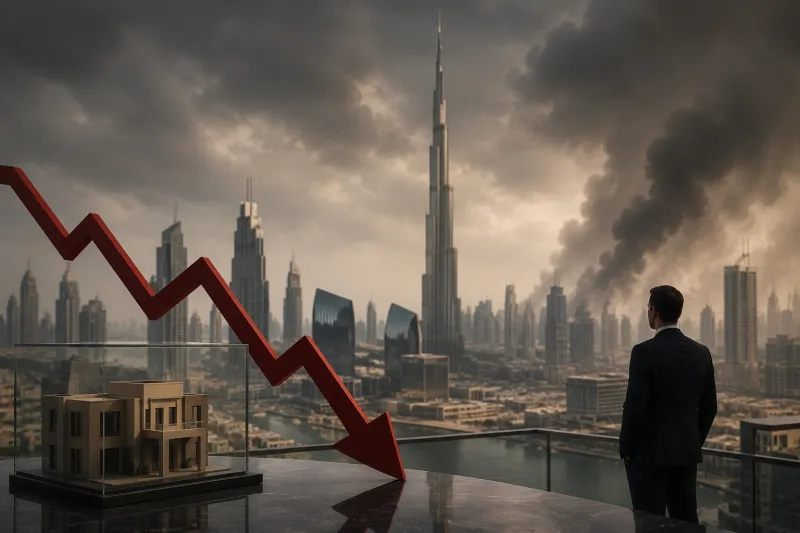
Dubai's real estate market has entered a period of pronounced slowdown as uncertainty from a nearby regional conflict filters into buyer behavior, transaction volumes and developer strategies. What had been a post-pandemic rebound driven by international demand and strong investor appetite is now showing signs of fatigue as buyers reassess risk, timelines and financing amid heightened geopolitical tension.
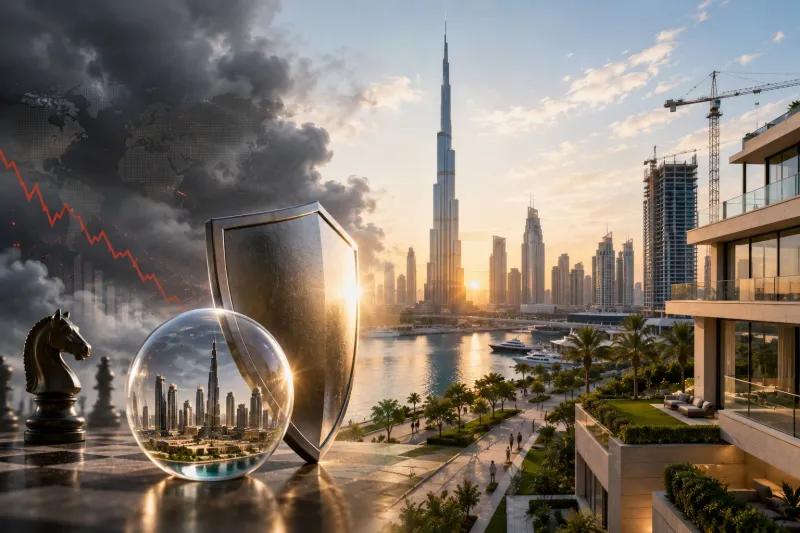
Despite episodic geopolitical tensions and global economic uncertainty, Dubai's property market continues to demonstrate resilience. Strong demographic trends, diversified demand, proactive government policy and a pipeline of infrastructure projects underpin investor confidence and keep the emirate attractive for both end-users and institutional capital.
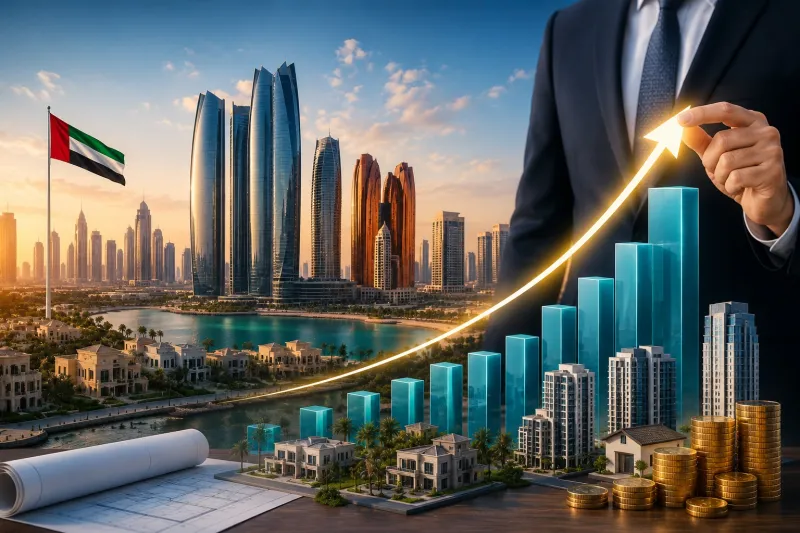
Abu Dhabi's property market posted a new quarterly high in Q1, with transactions totalling AED 38.1 billion, driven by a sharp acceleration in investor demand across residential and commercial segments. The milestone reflects strengthening confidence in the emirate's economic outlook, targeted policy measures and renewed interest from both regional and international buyers.
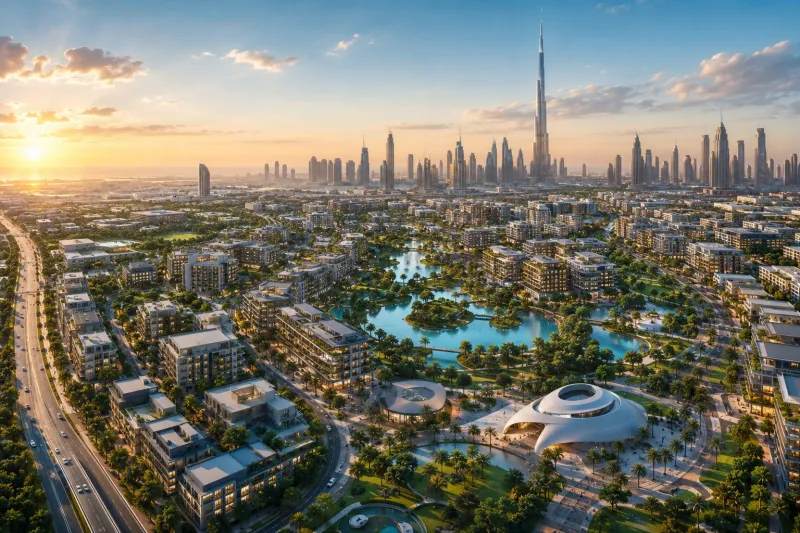
Emaar's announcement of a $55 billion urban district marks a bold new chapter in Dubai's rapid transformation. The master-planned development aims to expand the emirate's mixed-use capacity, attract fresh investment, and reinforce Dubai's positioning as a global hub for finance, tourism and innovation.
The Dubai property market has recorded a remarkable surge, with transactions reaching AED 252 billion as investor demand remains robust across residential, off-plan and prime sectors. This article examines the drivers behind the spike, which neighbourhoods and segments are benefiting most, and how policy, finance and global capital flows are shaping the city's real estate landscape.

Abu Dhabi has announced an immediate rent freeze aimed at stabilizing the housing market and protecting residents from sudden rental increases. The measure, introduced by the emirate’s authorities, seeks to provide short-term relief while complementary policies are put in place to address longer-term supply and affordability challenges.