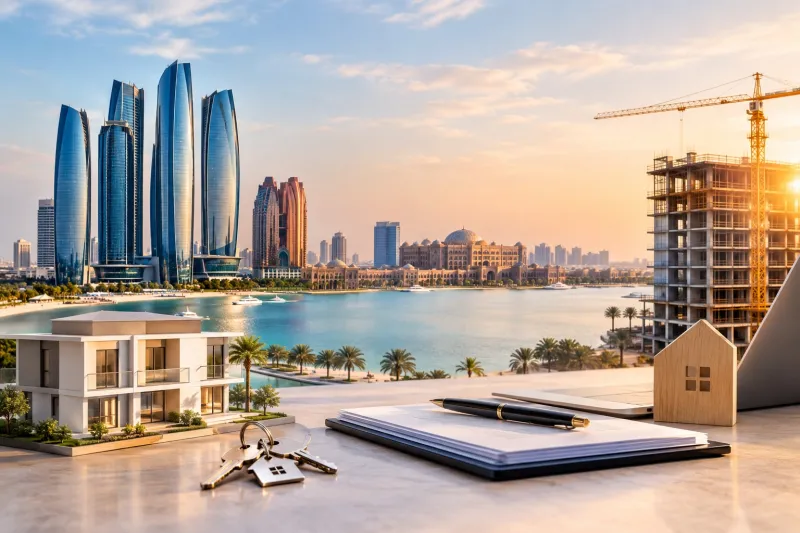
Abu Dhabi has introduced a revised regulatory framework that relaxes several constraints on off-plan mortgages, aiming to stimulate property financing and support both buyers and developers. The changes standardize escrow arrangements, clarify lender protections and create conditions for banks to offer more competitive lending for projects under construction.
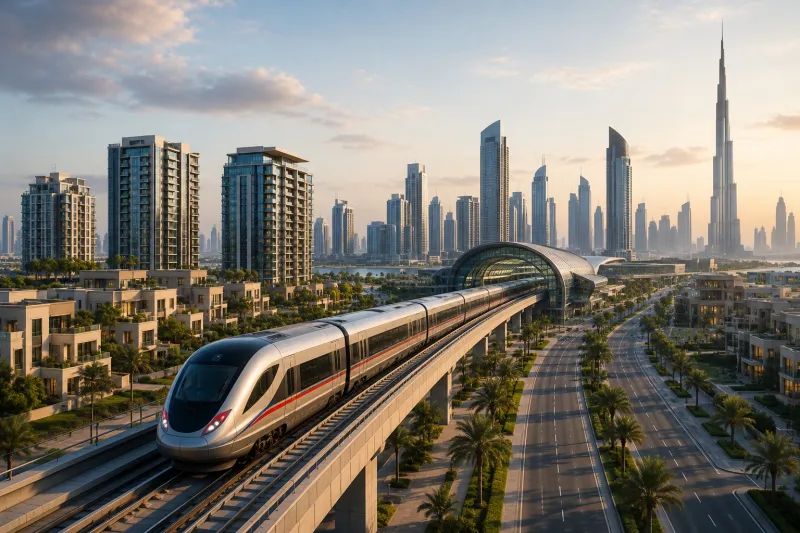
The continued expansion of the UAE's Etihad Rail network is expected to reshape the country's real estate landscape, with industry experts forecasting stronger property demand and rising values in areas connected by the new passenger rail system. As the nation accelerates investment in transport infrastructure, improved connectivity is creating fresh opportunities for residential, commercial, and mixed-use developments across emerging investment corridors.

In recent years British purchasers have emerged as the single largest group of foreign property investors in Dubai, reshaping demand at the high end of the market. This shift reflects a mix of economic, regulatory and lifestyle drivers that are increasing appetite for luxury residences, branded developments and off-plan investment among UK buyers.

The UAE property market is entering a new phase as Dubai shows clear signs of recovery, Abu Dhabi accelerates structural reforms and regional geopolitical tensions force both buyers and institutions to recalibrate risk exposure. This article examines the market dynamics, policy shifts and strategic responses shaping investment flows across the Emirates.
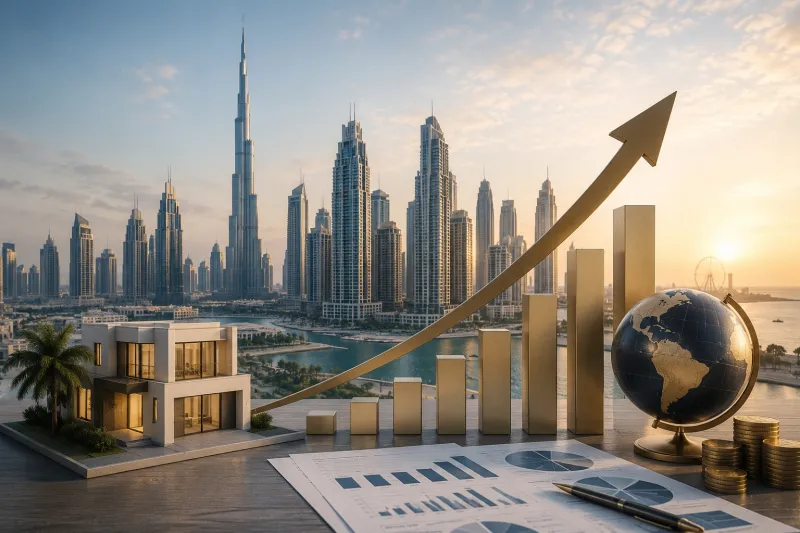
The Dubai real estate market opened the year with a striking surge: Q1 transactions rose 31% year‑on‑year, signaling a shift from short-term cyclical recovery toward a more sustained growth trajectory. This article examines the drivers behind the jump, changing buyer profiles, supply and pricing dynamics, and the structural changes that point to longer-term expansion.

Despite heightened geopolitical tensions in the region, the UAE property market has continued to attract buyers focused on long-term capital preservation and income. Investors point to stable policy frameworks, attractive yields, and resilient demand drivers that have insulated real estate from short-term shocks, prompting sustained activity across Dubai, Abu Dhabi and emerging emirate hubs.
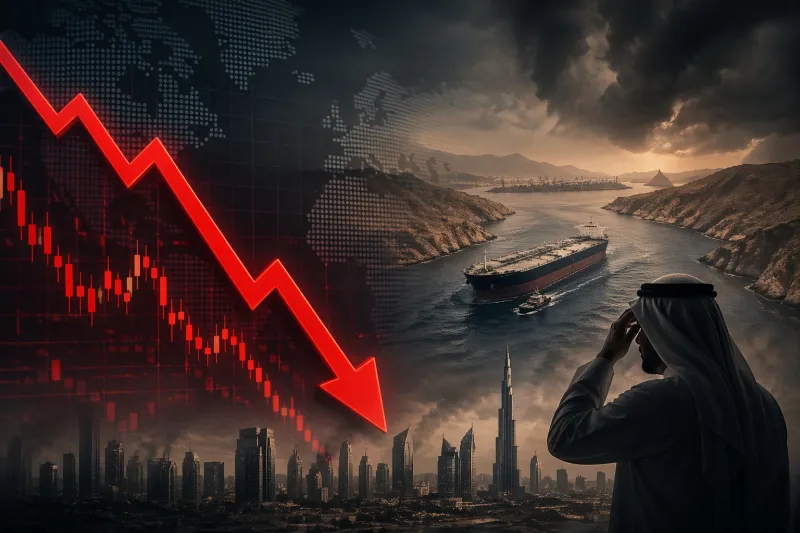
The sudden closure of the Strait of Hormuz triggered a sharp sell-off across Gulf markets early today, as traders digested the immediate effects on energy shipments, shipping costs and the fragile diplomatic momentum toward a ceasefire in the region. Risk aversion spread through equities and bond markets as oil and insurance costs climbed, raising questions about both near-term market stability and prospects for de-escalation.


Online interest in UAE real estate has risen sharply since renewed US–Iran tensions escalated in early 2026, as both local and international buyers re-evaluate safety, liquidity and returns. This article examines the behavioral shifts, market signals and practical considerations shaping a property market where caution and opportunism coexist.